THE ADVENTURE COLLECTIVE® · Independent discovery and booking for outdoor travel

Walk the winding alleys of Marrakech’s medina with a local guide, sampling street food and ending with a traditional Moroccan dinner. This three-hour private tour combines tastes, stories, and practical tips for enjoying authentic cuisine safely.
Walk the winding alleys of Marrakech’s medina with a local guide, sampling street food and ending with a traditional Moroccan dinner. This three-hour private tour combines tastes, stories, and practical tips for enjoying authentic cuisine safely.
Night falls and the medina shifts—lamps flare, spice stalls steam, and the call of vendors threads through the narrow alleys. A guide leads a small group away from the tourist throng into pockets of the old city where Marrakchis eat: charcoal grills, bubbling cauldrons of harira, and trays of sticky pastries. The sounds, scents, and quick exchanges lay out the rhythm of the square.
Verified experiences and guided adventures in the surrounding area.
Operated by Marrakech Top Sights Tours · Marrakech, Marrakech-Safi
Night falls and the medina shifts—lamps flare, spice stalls steam, and the call of vendors threads through the narrow alleys. A guide leads a small group away from the tourist throng into pockets of the old city where Marrakchis eat: charcoal grills, bubbling cauldrons of harira, and trays of sticky pastries. The sounds, scents, and quick exchanges lay out the rhythm of the square.
Marrakech’s Djemaa El-Fna has been a trading and performance hub for centuries; the food scene here reflects Berber, Arab, Andalusi and Sub-Saharan currents. The city’s ochre architecture—built from local red clay—frames every bite, while culinary traditions passed through families still govern spice blends and technique.
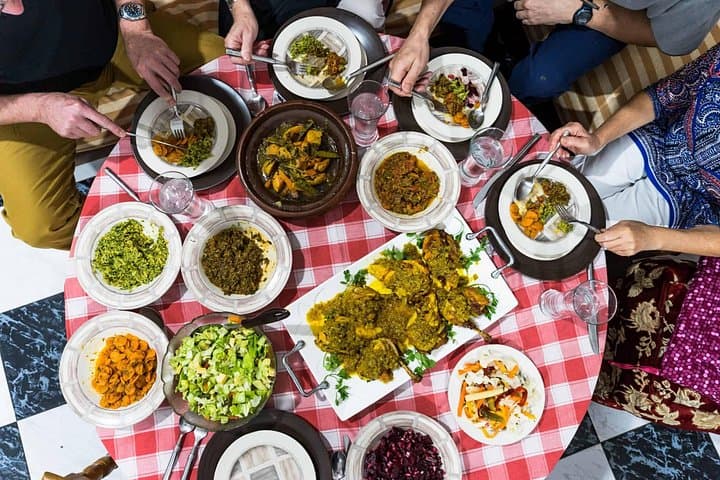
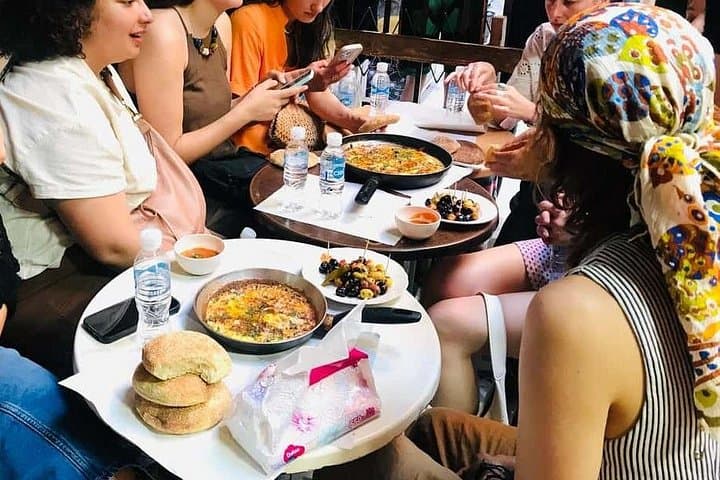
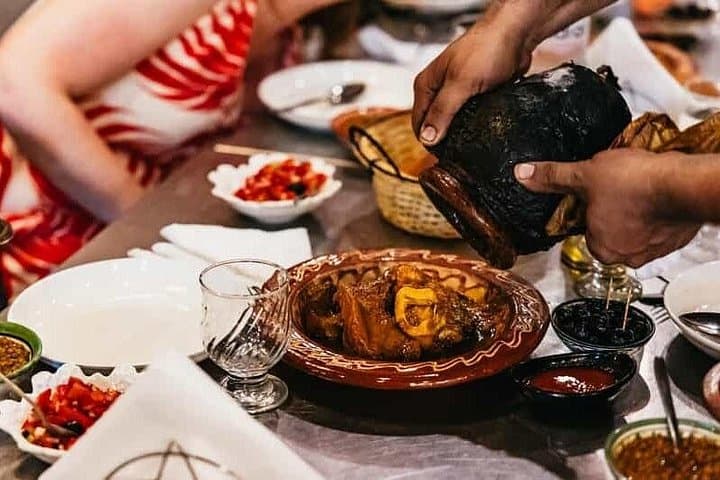
Expect a three-hour walking loop through the medina that mixes street tastings—grilled skewers, msemen, spiced snails, fresh juices—with a sit-down dinner of tagine or pastilla in a small, local restaurant. The tour is private and paced for easy walking, but surfaces are uneven: cobblestones and alley steps are part of the terrain. Guides share cultural context and practical tips on ordering, haggling, and dietary swaps.
Practical guidance: bring cash for incidentals, wear supportive shoes and a light scarf for visiting religious sites and shifting evening temperatures. If you have food allergies, request adjustments before booking—most operators can accommodate with notice. Go early in the evening to avoid the busiest crowds and to see the market transition from day trade to its nocturnal character.
This is an urban tasting route that pairs sensory immediacy with grounded local knowledge—ideal for travelers who want food that tells the city’s story.
Yes—most operators can accommodate vegetarian or vegan diets if requested in advance; let them know at booking.
Meeting and end points are typically in or near Djemaa El-Fna in the medina; the exact location is provided after booking.
Yes—it's marked stroller-accessible and suitable for children, though busy streets and crowds require supervision.
Vendors usually accept cash; some restaurants accept cards but bring dirhams for convenience.
Marrakech Top Sights Tours operates guided outdoor trips and adventures with an emphasis on safety, stewardship, and memorable experiences.
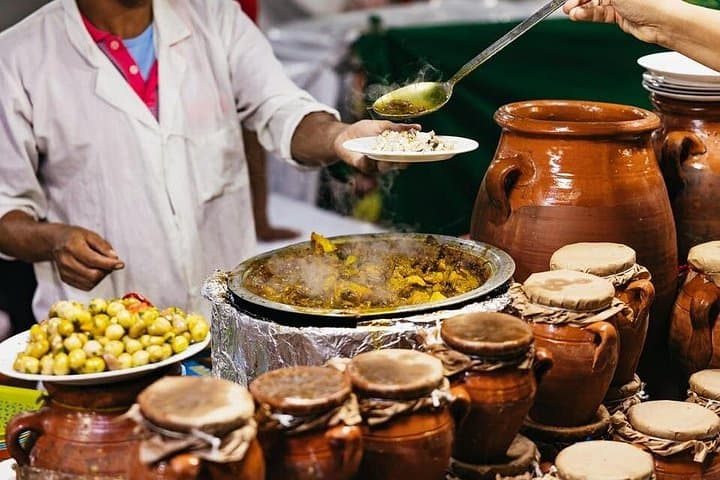
Night falls and the medina shifts—lamps flare, spice stalls steam, and the call of vendors threads through the narrow alleys. A guide leads a small group away from the tourist throng into pockets of the old city where Marrakchis eat: charcoal grills, bubbling cauldrons of harira, and trays of sticky pastries. The sounds, scents, and quick exchanges lay out the rhythm of the square.
Night falls and the medina shifts—lamps flare, spice stalls steam, and the call of vendors threads through the narrow alleys. A guide leads a small group away from the tourist throng into pockets of the old city where Marrakchis eat: charcoal grills, bubbling cauldrons of harira, and trays of sticky pastries. The sounds, scents, and quick exchanges lay out the rhythm of the square.
Marrakech’s Djemaa El-Fna has been a trading and performance hub for centuries; the food scene here reflects Berber, Arab, Andalusi and Sub-Saharan currents. The city’s ochre architecture—built from local red clay—frames every bite, while culinary traditions passed through families still govern spice blends and technique.
Expect a three-hour walking loop through the medina that mixes street tastings—grilled skewers, msemen, spiced snails, fresh juices—with a sit-down dinner of tagine or pastilla in a small, local restaurant. The tour is private and paced for easy walking, but surfaces are uneven: cobblestones and alley steps are part of the terrain. Guides share cultural context and practical tips on ordering, haggling, and dietary swaps.
Practical guidance: bring cash for incidentals, wear supportive shoes and a light scarf for visiting religious sites and shifting evening temperatures. If you have food allergies, request adjustments before booking—most operators can accommodate with notice. Go early in the evening to avoid the busiest crowds and to see the market transition from day trade to its nocturnal character.
This is an urban tasting route that pairs sensory immediacy with grounded local knowledge—ideal for travelers who want food that tells the city’s story.