THE ADVENTURE COLLECTIVE® · Independent discovery and booking for outdoor travel

A focused 3-hour walking food tour through Marrakech’s medina that pairs local tastings with cultural stories. Sample pastilla, Harira, msemmen, snails, and mint tea while learning about spice blends and family-run eateries.
A focused 3-hour walking food tour through Marrakech’s medina that pairs local tastings with cultural stories. Sample pastilla, Harira, msemmen, snails, and mint tea while learning about spice blends and family-run eateries.
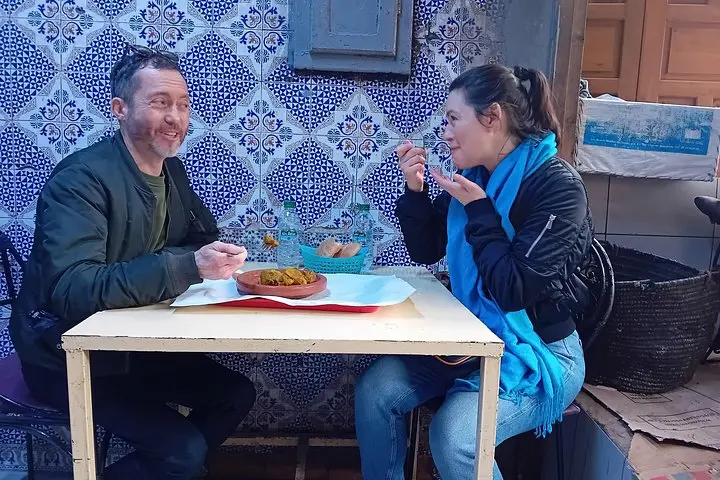
You step off the tiled street and the medina exhales—spice stalls breathe warm, caraway-scented air while narrow alleys whisper directions to a family-run bakery.
Verified experiences and guided adventures in the surrounding area.
Operated by Morocco Best Attractions · Marrakech, Marrakesh-Safi
You step off the tiled street and the medina exhales—spice stalls breathe warm, caraway-scented air while narrow alleys whisper directions to a family-run bakery.
This three-hour walking tour threads through Marrakech’s historic core, where the city’s red walls and the Atlas Mountains’ distant silhouette set the scene. Moroccan cuisine is an archive: pastilla’s layered pastry recalls Andalusian influences, Harira traces trade routes and Ramadan rhythms, and mint tea announces hospitality in every courtyard.
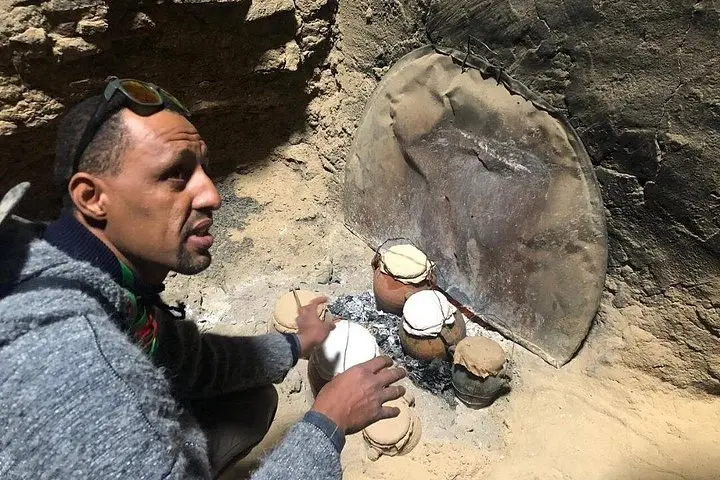
Geology shows in the ochre of Marrakech’s buildings—local clay and sandstone give the medina its color and hold heat late into evening. Culturally, meals are communal; tasting here means learning what families serve at weddings and what bakers keep for neighbors.
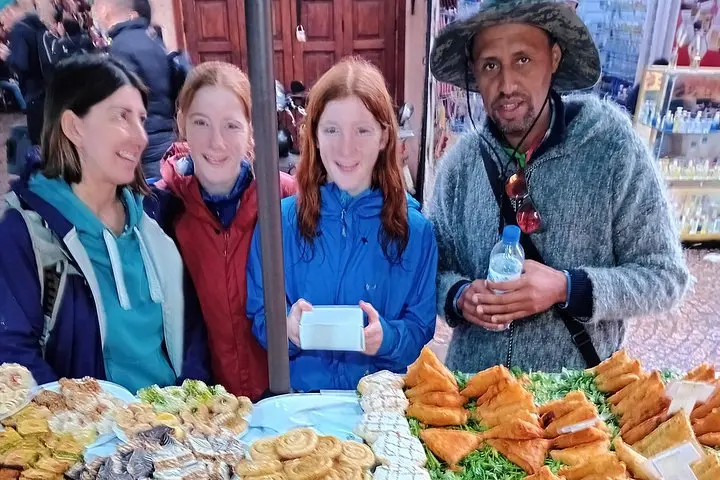
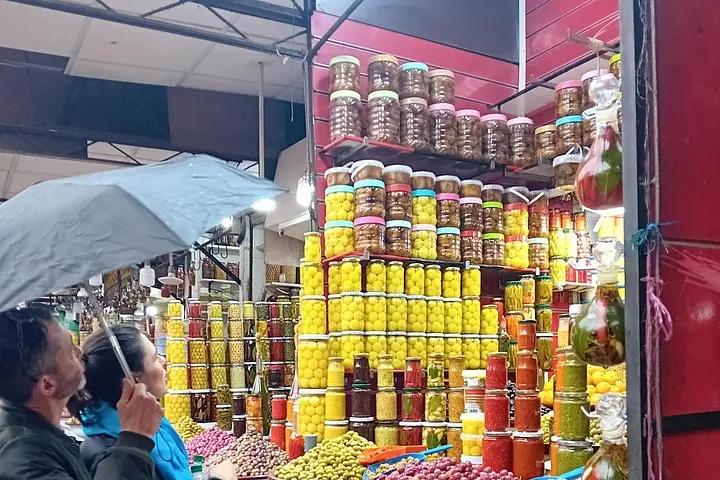
Expect hands-on sampling rather than plated restaurants: pastilla, briouate sweets, slow-simmered babbouche (snails), msemmen with honey, olives cured with local herbs, and copious Berber mint tea. The guide will point out spice blends, olive varieties, and tell stories about the vendors you meet.
Practical guidance: start in the late afternoon to catch cooler air and the market’s crescendo into evening. Wear closed shoes for cobbled lanes, carry water and small bills for purchases and tips, and flag allergies in advance—many dishes use nuts and preserved ingredients. Pace your tasting: portions are small but rich. Photographs are welcomed but ask permission before shooting people in stalls.
This tour balances appetite and context—taste the city, learn its foodways, and leave with useful directions to revisit favorites on your own.
Meet in a central medina landmark—your confirmation provides the exact meeting point and a local phone contact.
Yes—many stops include vegetarian options, but notify the operator in advance so the route can be adjusted.
About 1–2 miles total on uneven cobbles with several short stops and standing at food stalls.
Tipping is appreciated; plan to tip the guide in local currency (about 10–15% of tour cost as a guideline) and small amounts for outstanding vendor service.
Morocco Best Attractions operates guided outdoor trips and adventures with an emphasis on safety, stewardship, and memorable experiences.
You step off the tiled street and the medina exhales—spice stalls breathe warm, caraway-scented air while narrow alleys whisper directions to a family-run bakery.
You step off the tiled street and the medina exhales—spice stalls breathe warm, caraway-scented air while narrow alleys whisper directions to a family-run bakery.
This three-hour walking tour threads through Marrakech’s historic core, where the city’s red walls and the Atlas Mountains’ distant silhouette set the scene. Moroccan cuisine is an archive: pastilla’s layered pastry recalls Andalusian influences, Harira traces trade routes and Ramadan rhythms, and mint tea announces hospitality in every courtyard.
Geology shows in the ochre of Marrakech’s buildings—local clay and sandstone give the medina its color and hold heat late into evening. Culturally, meals are communal; tasting here means learning what families serve at weddings and what bakers keep for neighbors.
Expect hands-on sampling rather than plated restaurants: pastilla, briouate sweets, slow-simmered babbouche (snails), msemmen with honey, olives cured with local herbs, and copious Berber mint tea. The guide will point out spice blends, olive varieties, and tell stories about the vendors you meet.
Practical guidance: start in the late afternoon to catch cooler air and the market’s crescendo into evening. Wear closed shoes for cobbled lanes, carry water and small bills for purchases and tips, and flag allergies in advance—many dishes use nuts and preserved ingredients. Pace your tasting: portions are small but rich. Photographs are welcomed but ask permission before shooting people in stalls.
This tour balances appetite and context—taste the city, learn its foodways, and leave with useful directions to revisit favorites on your own.