THE ADVENTURE COLLECTIVE® · Independent discovery and booking for outdoor travel

Spend a full day from Marrakech at Ouzoud, Morocco’s dramatic tiered falls. Hike stone paths, take a short boat ride to the base, and top it off with a Berber tagine beside tumbling water.
Spend a full day from Marrakech at Ouzoud, Morocco’s dramatic tiered falls. Hike stone paths, take a short boat ride to the base, and top it off with a Berber tagine beside tumbling water.
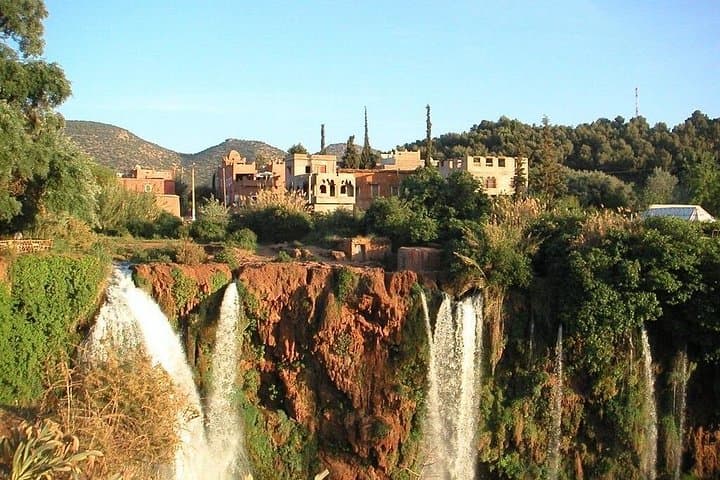
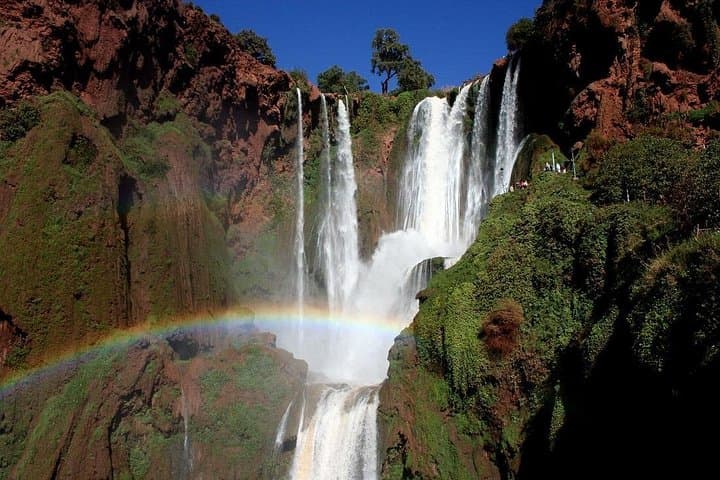
The spray from the falls meets the sunlight in liquid shards as you step onto the main viewpoint path — the air smells faintly of wet stone and olive oil. Ouzoud’s cataracts fall in tiers over rough, volcanic rock, creating a broad amphitheater of water you can circle on foot or watch from village terraces.
Verified experiences and guided adventures in the surrounding area.
Operated by Aladdin Excursion · Ouzoud, Marrakech-Safi
The spray from the falls meets the sunlight in liquid shards as you step onto the main viewpoint path — the air smells faintly of wet stone and olive oil. Ouzoud’s cataracts fall in tiers over rough, volcanic rock, creating a broad amphitheater of water you can circle on foot or watch from village terraces.
Carved into the High Atlas foothills, Ouzoud Falls (roughly 110 meters high) cut through Miocene and Pliocene rock and sit among irrigated olive groves and small Berber settlements. Historically, the region has been shaped by small-scale agriculture and seasonal shepherding; local guides and cafés around the falls keep those traditions alive with tagine lunches served near the viewpoints.
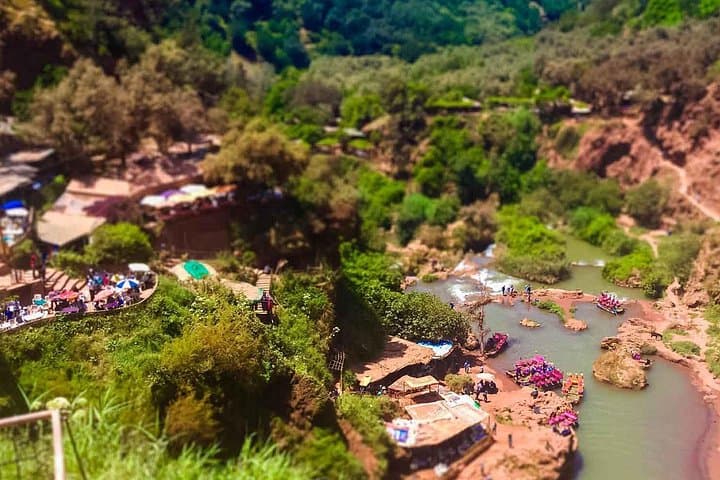
The route around the falls is mostly stone steps and dirt tracks with frequent viewpoints; a short boat ride takes visitors to the base when water levels permit. Wildlife is bold here — macaques hop between terraces and kingfishers flash along the plunge pool. Cultural touches — rooftop cafés, hand-carved walking sticks, and the occasional call to prayer from a hilltop — make the stop more than a photo op.
Practical guidance: expect a full day from Marrakech (plan for 2–3 hours each way depending on traffic), wear grippy shoes for wet stone, bring sun protection and cash for small vendors. If you want to swim, check current conditions with your guide; currents and water cleanliness vary seasonally. Morning light is best for photos and cooler hiking; late afternoon returns can meet heavier road traffic.
Expect roughly 2–3 hours each way depending on traffic and route; some operators quote shorter times but allow buffer for stops.
Swimming is possible in calmer pools at the operators' discretion; always check conditions with your guide for safety and water cleanliness.
Some viewpoints and nearby terraces are accessible, but main paths and boat access involve steps and uneven surfaces—confirm specific accessibility needs with the operator beforehand.
Typical day-trip pricing may exclude lunch; many operators stop at local cafés for a Berber tagine that you pay for on-site.
Aladdin Excursion operates guided outdoor trips and adventures with an emphasis on safety, stewardship, and memorable experiences.

The spray from the falls meets the sunlight in liquid shards as you step onto the main viewpoint path — the air smells faintly of wet stone and olive oil. Ouzoud’s cataracts fall in tiers over rough, volcanic rock, creating a broad amphitheater of water you can circle on foot or watch from village terraces.
The spray from the falls meets the sunlight in liquid shards as you step onto the main viewpoint path — the air smells faintly of wet stone and olive oil. Ouzoud’s cataracts fall in tiers over rough, volcanic rock, creating a broad amphitheater of water you can circle on foot or watch from village terraces.
Carved into the High Atlas foothills, Ouzoud Falls (roughly 110 meters high) cut through Miocene and Pliocene rock and sit among irrigated olive groves and small Berber settlements. Historically, the region has been shaped by small-scale agriculture and seasonal shepherding; local guides and cafés around the falls keep those traditions alive with tagine lunches served near the viewpoints.
The route around the falls is mostly stone steps and dirt tracks with frequent viewpoints; a short boat ride takes visitors to the base when water levels permit. Wildlife is bold here — macaques hop between terraces and kingfishers flash along the plunge pool. Cultural touches — rooftop cafés, hand-carved walking sticks, and the occasional call to prayer from a hilltop — make the stop more than a photo op.
Practical guidance: expect a full day from Marrakech (plan for 2–3 hours each way depending on traffic), wear grippy shoes for wet stone, bring sun protection and cash for small vendors. If you want to swim, check current conditions with your guide; currents and water cleanliness vary seasonally. Morning light is best for photos and cooler hiking; late afternoon returns can meet heavier road traffic.