THE ADVENTURE COLLECTIVE® · Independent discovery and booking for outdoor travel

Explore Marrakech’s iconic souks on a private half-day tour that pairs cultural context with focused shopping. Visit Bab Agnaou, Ben Youssef Medersa, the Mellah, and artisan workshops while a local guide helps you find authentic crafts.
Explore Marrakech’s iconic souks on a private half-day tour that pairs cultural context with focused shopping. Visit Bab Agnaou, Ben Youssef Medersa, the Mellah, and artisan workshops while a local guide helps you find authentic crafts.
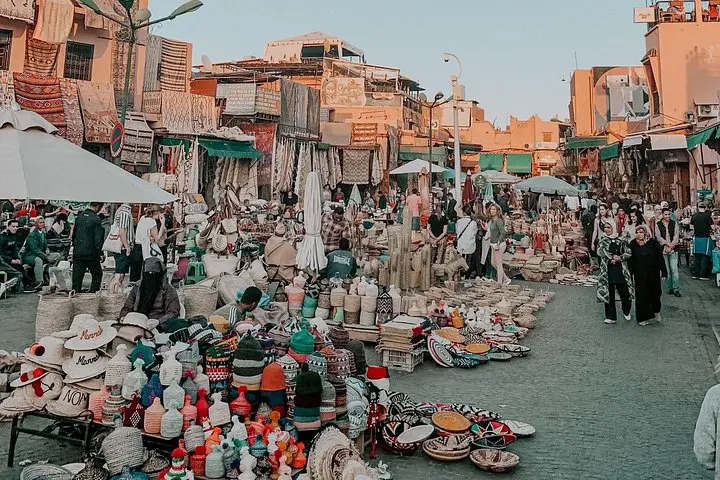
The sun slants low over Jemaa el-Fnaa as you step from the van and into a maze of alleys where spice stalls and leather shops seem to breathe in time with the city. Your guide pulls you into a quieter lane; the air tightens with cinnamon and orange blossom, and a brass tray of traditional teapots glints under a skylight.
Verified experiences and guided adventures in the surrounding area.
Operated by Travel Morocco Services · Marrakech, Marrakech-Safi
The sun slants low over Jemaa el-Fnaa as you step from the van and into a maze of alleys where spice stalls and leather shops seem to breathe in time with the city. Your guide pulls you into a quieter lane; the air tightens with cinnamon and orange blossom, and a brass tray of traditional teapots glints under a skylight.
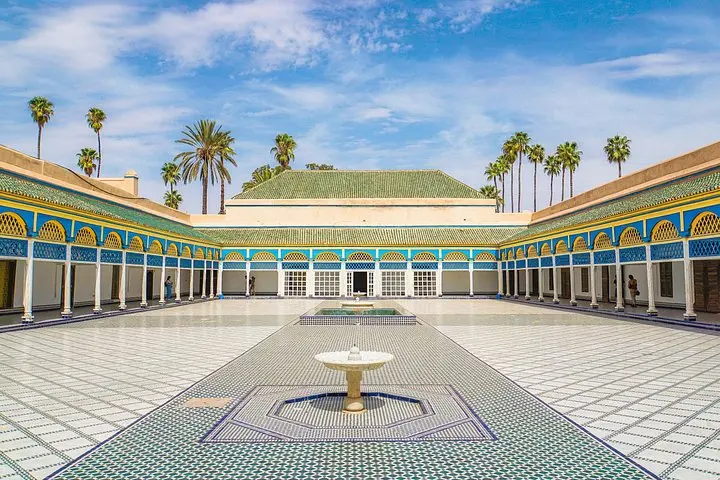
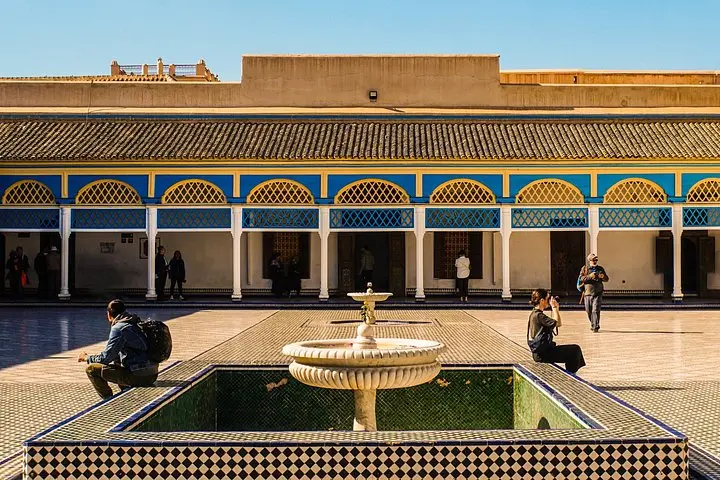
This three-hour private shopping tour threads history through commerce: medieval ramparts, the monumental Bab Agnaou gate, and the ochre façades that recall Marrakech’s red-earth geology. You’ll pass the 18th‑century Moulay Yazid Mosque, the Mellah’s spice stalls, and the carved courtyard of the Ben Youssef Medersa—sites that explain why the souks evolved as centers of craft and trade.
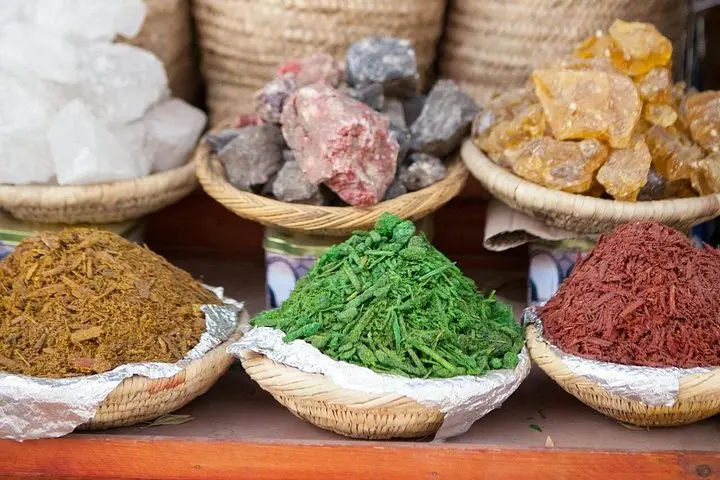
Culturally, the souks are working neighborhoods—artisans hammer, dyers dip cloths, and vendors narrate products with practiced cadence. Listen for material origins: goat leather from the Atlas foothills, Berber-weave motifs with regional patterns, and spice blends sourced from nearby mountain markets.
Practical guidance: wear comfortable, closed-toe shoes for uneven cobbles and bring a secure crossbody bag. Expect walking of about 1–2 miles at a slow, exploratory pace with multiple stops to view artisans. Bargaining is customary but polite—start lower and meet the seller halfway. Hydrate; the guide provides bottled water, but carrying a small refillable bottle helps avoid plastic.
This tour suits travelers who want curated access to authentic artisans and the context to buy intentionally—an urban stroll that’s equal parts history lesson and hands-on market experience.
Yes—haggling is customary in Marrakech’s souks; your guide can advise starting offers and typical price ranges.
No museum admissions are included; the tour focuses on marketplaces and artisan workshops with optional visits to sites like Ben Youssef Medersa at your discretion.
The tour is listed as accessible, but note that many medina alleys and shop thresholds are uneven; check with the operator about vehicle drop-off locations.
Guides can often suggest reputable shipping or packing services but shipping costs and arrangements are not included by default—ask in advance.
Travel Morocco Services operates guided outdoor trips and adventures with an emphasis on safety, stewardship, and memorable experiences.
The sun slants low over Jemaa el-Fnaa as you step from the van and into a maze of alleys where spice stalls and leather shops seem to breathe in time with the city. Your guide pulls you into a quieter lane; the air tightens with cinnamon and orange blossom, and a brass tray of traditional teapots glints under a skylight.
The sun slants low over Jemaa el-Fnaa as you step from the van and into a maze of alleys where spice stalls and leather shops seem to breathe in time with the city. Your guide pulls you into a quieter lane; the air tightens with cinnamon and orange blossom, and a brass tray of traditional teapots glints under a skylight.
This three-hour private shopping tour threads history through commerce: medieval ramparts, the monumental Bab Agnaou gate, and the ochre façades that recall Marrakech’s red-earth geology. You’ll pass the 18th‑century Moulay Yazid Mosque, the Mellah’s spice stalls, and the carved courtyard of the Ben Youssef Medersa—sites that explain why the souks evolved as centers of craft and trade.
Culturally, the souks are working neighborhoods—artisans hammer, dyers dip cloths, and vendors narrate products with practiced cadence. Listen for material origins: goat leather from the Atlas foothills, Berber-weave motifs with regional patterns, and spice blends sourced from nearby mountain markets.
Practical guidance: wear comfortable, closed-toe shoes for uneven cobbles and bring a secure crossbody bag. Expect walking of about 1–2 miles at a slow, exploratory pace with multiple stops to view artisans. Bargaining is customary but polite—start lower and meet the seller halfway. Hydrate; the guide provides bottled water, but carrying a small refillable bottle helps avoid plastic.
This tour suits travelers who want curated access to authentic artisans and the context to buy intentionally—an urban stroll that’s equal parts history lesson and hands-on market experience.