THE ADVENTURE COLLECTIVE® · Independent discovery and booking for outdoor travel

See Marrakech’s essential sights in four concentrated hours: Bahia Palace, Saadian Tombs, the souks and Djemaa el Fna. This guided route balances historic interiors with lively market streets and practical tips for timing and comfort.
See Marrakech’s essential sights in four concentrated hours: Bahia Palace, Saadian Tombs, the souks and Djemaa el Fna. This guided route balances historic interiors with lively market streets and practical tips for timing and comfort.
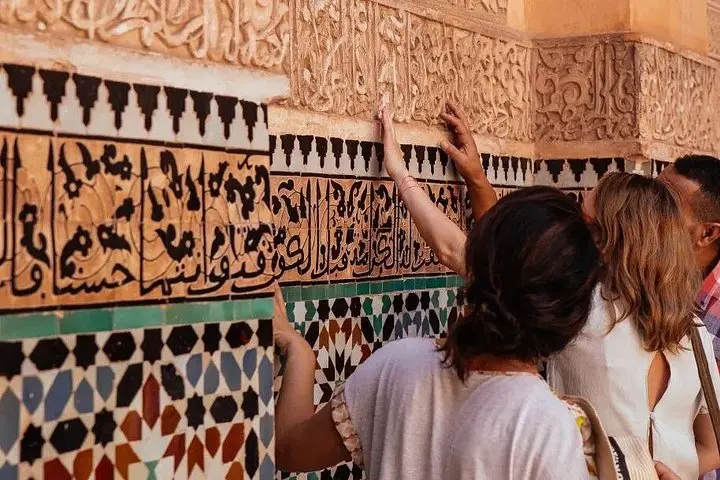
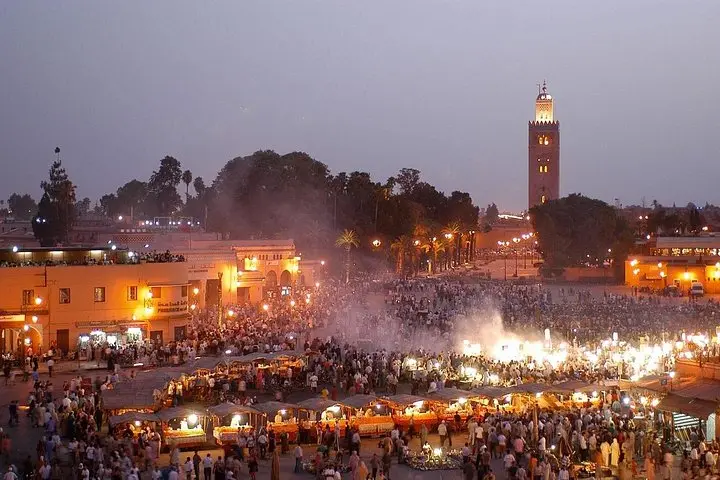
You step out from a shaded riad courtyard and the city changes cadence: tile patterns catch the sun, vendors tune their calls into a chorus, and the 65‑meter Koutoubia minaret keeps watch over the alleys.
Verified experiences and guided adventures in the surrounding area.
Operated by Desertbrise Travel · Marrakech, Marrakech-Safi
You step out from a shaded riad courtyard and the city changes cadence: tile patterns catch the sun, vendors tune their calls into a chorus, and the 65‑meter Koutoubia minaret keeps watch over the alleys.
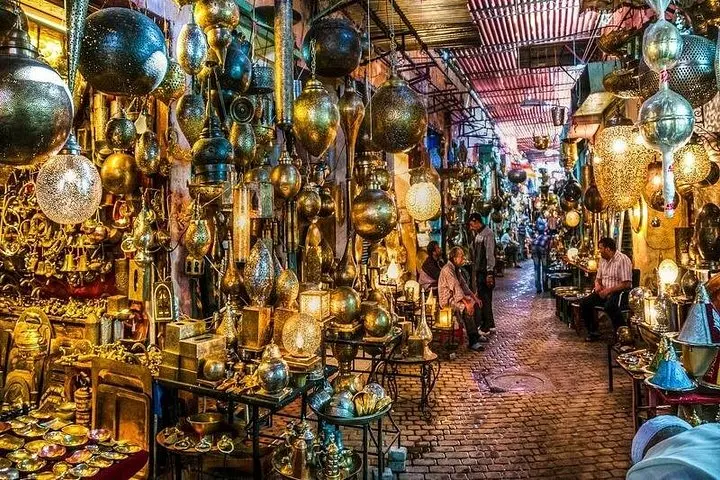
This four‑hour guided tour threads together Marrakech’s compact historic quarter—Djemaa el Fna, the souks and artisan lanes, the Saadian Tombs and the late‑19th‑century Bahia Palace. The medina sits on a plain at the edge of the High Atlas foothills; its ochre walls are Sahara clay and lime that have sheltered markets and mosques since the city’s founding in 1062 by the Almoravids. Marble courtyards and carved plaster are reminders of centuries of craft; the souks are where that living tradition is negotiated in person.
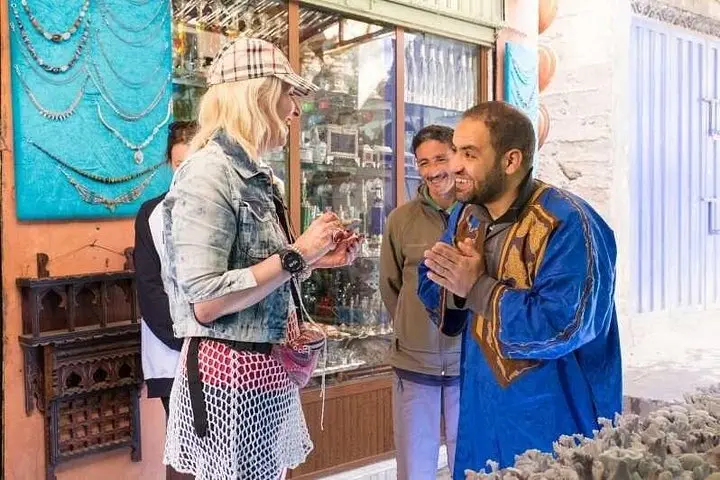
Expect concentrated cultural history: Saadian funerary art and Bahia’s painted ceilings, interspersed with the rhythms of trading—textiles, metalwork, spices and leather. The square of Djemaa el Fna transforms by evening into a theater of food stalls and storytellers, while rooftop cafés offer sweeping views for photography.
Practical guidance: wear comfortable, broken‑in walking shoes for uneven flagstones, bring sun protection and small change for purchases. The tour lasts about four hours with short walking distances between stops but some standing in courtyards. Bottled water is typically provided; verify entrance fees and private‑tour status when booking. Morning departures avoid heat and the busiest crowds; late afternoon gives better light for the palaces.
This itinerary is an efficient primer on Marrakech—compact, sensory and rooted in local craft and history.
The title advertises a private experience but itinerary details indicate shared departures with up to 15 travelers; confirm private status and group size with the operator when booking.
Most included itineraries do not cover monument entrance fees (Bahia Palace, Saadian Tombs); the listing notes admissions are typically not included—ask the supplier to confirm.
Accessibility notes indicate wheelchair and stroller access for transportation and surfaces, but some historic buildings and tight souk lanes may limit mobility—discuss needs with the operator before booking.
Many Marrakech guides speak English and French and often Spanish; request your preferred language when booking to ensure a suitable guide.
Desertbrise Travel operates guided outdoor trips and adventures with an emphasis on safety, stewardship, and memorable experiences.
You step out from a shaded riad courtyard and the city changes cadence: tile patterns catch the sun, vendors tune their calls into a chorus, and the 65‑meter Koutoubia minaret keeps watch over the alleys.
You step out from a shaded riad courtyard and the city changes cadence: tile patterns catch the sun, vendors tune their calls into a chorus, and the 65‑meter Koutoubia minaret keeps watch over the alleys.
This four‑hour guided tour threads together Marrakech’s compact historic quarter—Djemaa el Fna, the souks and artisan lanes, the Saadian Tombs and the late‑19th‑century Bahia Palace. The medina sits on a plain at the edge of the High Atlas foothills; its ochre walls are Sahara clay and lime that have sheltered markets and mosques since the city’s founding in 1062 by the Almoravids. Marble courtyards and carved plaster are reminders of centuries of craft; the souks are where that living tradition is negotiated in person.
Expect concentrated cultural history: Saadian funerary art and Bahia’s painted ceilings, interspersed with the rhythms of trading—textiles, metalwork, spices and leather. The square of Djemaa el Fna transforms by evening into a theater of food stalls and storytellers, while rooftop cafés offer sweeping views for photography.
Practical guidance: wear comfortable, broken‑in walking shoes for uneven flagstones, bring sun protection and small change for purchases. The tour lasts about four hours with short walking distances between stops but some standing in courtyards. Bottled water is typically provided; verify entrance fees and private‑tour status when booking. Morning departures avoid heat and the busiest crowds; late afternoon gives better light for the palaces.
This itinerary is an efficient primer on Marrakech—compact, sensory and rooted in local craft and history.