THE ADVENTURE COLLECTIVE® · Independent discovery and booking for outdoor travel

Cross the High Atlas, wander a UNESCO ksar, and sleep beneath the stars on a private 3-day trek from Marrakech to the sands of Merzouga. Expect long drives, dramatic gorges, camel rides at sunset and a luxury camp experience in Erg Chebbi.
Cross the High Atlas, wander a UNESCO ksar, and sleep beneath the stars on a private 3-day trek from Marrakech to the sands of Merzouga. Expect long drives, dramatic gorges, camel rides at sunset and a luxury camp experience in Erg Chebbi.
A ribbon of road winds up through the High Atlas, air thinning as you climb Tizi n’Tichka (2,260 m) and the world turns from red-roofed Marrakech to ochre kasbahs and stony plateaus.
Verified experiences and guided adventures in the surrounding area.
Operated by Marrakech Adventure Tour · Merzouga, Drâa-Tafilalet
A ribbon of road winds up through the High Atlas, air thinning as you climb Tizi n’Tichka (2,260 m) and the world turns from red-roofed Marrakech to ochre kasbahs and stony plateaus.
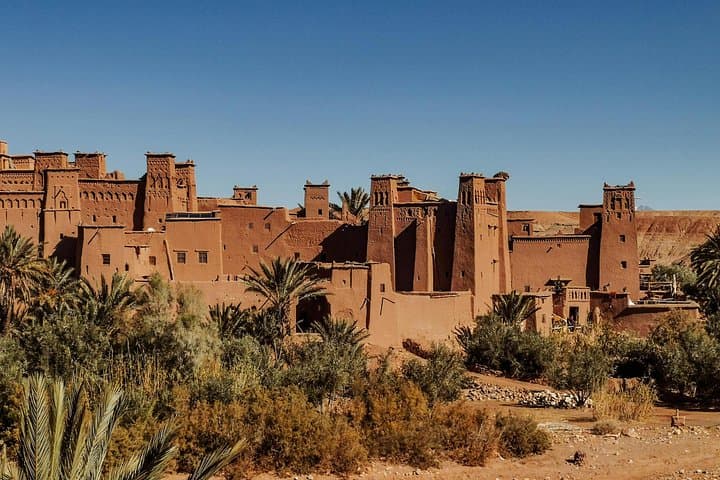
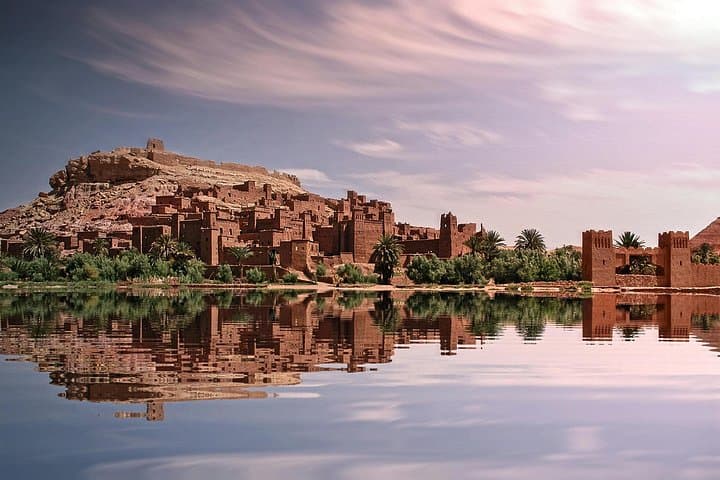
By midday the mud-brick lanes of Ait Ben Haddou rise out of the plain—an ancient ksar once on trans-Saharan trade routes and now a UNESCO site. The route threads past Ouarzazate’s film studios, through palm-filled Skoura and the fragrant Valley of Roses, then carves into the Dades and Todra gorges where sheer canyon walls reach 200–300 meters.
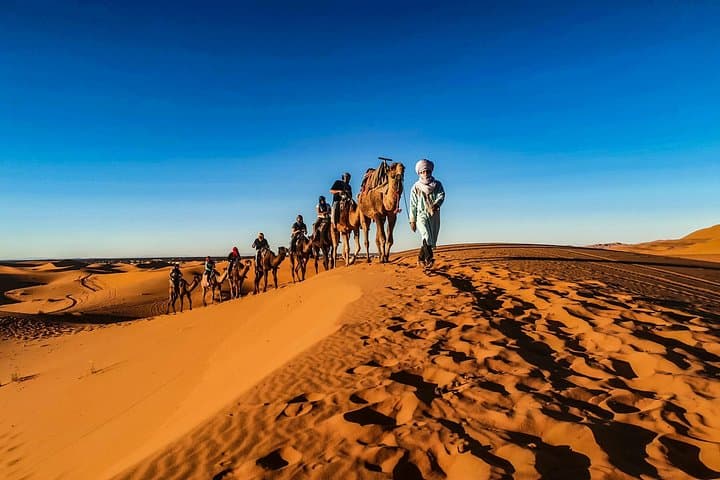
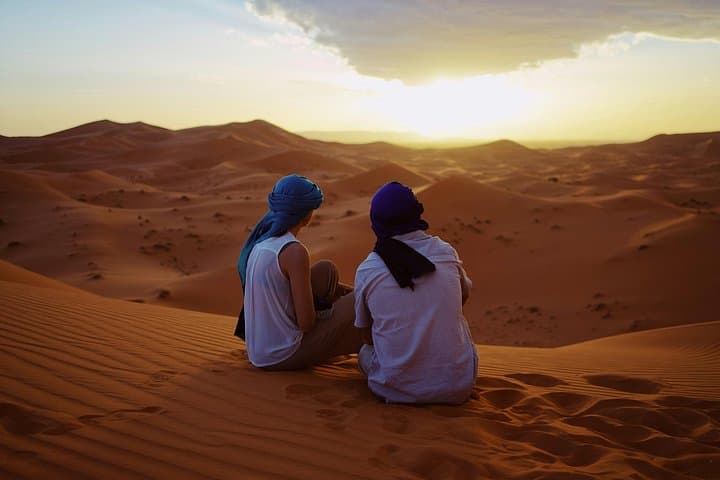
The journey culminates at Erg Chebbi: broad, wind-sculpted dunes that change color with the sun. Here camel caravans cross ridgelines at dusk, and luxury camps await with private tents, en-suite facilities and Berber music under a wide, starry sky.
Geologically the region is a collision zone—sedimentary basins uplifted by the Atlas orogeny and swept by wind that sorts sand into the towering dunes of the Sahara. Culturally the route is a living mosaic of Berber villages, kasbah architecture and markets where argan oil and dates are still local currency.
Practical guidance: expect long driving days (several 4–10 hour segments), high-altitude passes and sandy tracks; motion-sickness preparations and flexible pacing matter. Wear sturdy shoes for canyon walks, layers for large temperature swings, and carry at least 2–3 liters of water per person for desert time. Camel rides are optional; a 4x4 transfer to camp is available for travelers with mobility concerns. Time your visit outside peak summer heat—spring and fall offer the most comfortable conditions.
No—camel rides are optional and can be replaced by a 4x4 transfer to the camp for those who prefer or have mobility constraints.
Yes—this tour uses 4–5 star hotels or riads en route and luxury desert camps with private tents that often include en-suite toilets and showers.
Generally yes, but the tour involves long drives and some off-road travel; consult the operator about individual mobility or health concerns before booking.
Operators typically limit luggage due to camel or 4x4 transfer capacities—pack a soft bag and confirm specifics with the provider before departure.
Marrakech Adventure Tour operates guided outdoor trips and adventures with an emphasis on safety, stewardship, and memorable experiences.
A ribbon of road winds up through the High Atlas, air thinning as you climb Tizi n’Tichka (2,260 m) and the world turns from red-roofed Marrakech to ochre kasbahs and stony plateaus.
A ribbon of road winds up through the High Atlas, air thinning as you climb Tizi n’Tichka (2,260 m) and the world turns from red-roofed Marrakech to ochre kasbahs and stony plateaus.
By midday the mud-brick lanes of Ait Ben Haddou rise out of the plain—an ancient ksar once on trans-Saharan trade routes and now a UNESCO site. The route threads past Ouarzazate’s film studios, through palm-filled Skoura and the fragrant Valley of Roses, then carves into the Dades and Todra gorges where sheer canyon walls reach 200–300 meters.
The journey culminates at Erg Chebbi: broad, wind-sculpted dunes that change color with the sun. Here camel caravans cross ridgelines at dusk, and luxury camps await with private tents, en-suite facilities and Berber music under a wide, starry sky.
Geologically the region is a collision zone—sedimentary basins uplifted by the Atlas orogeny and swept by wind that sorts sand into the towering dunes of the Sahara. Culturally the route is a living mosaic of Berber villages, kasbah architecture and markets where argan oil and dates are still local currency.
Practical guidance: expect long driving days (several 4–10 hour segments), high-altitude passes and sandy tracks; motion-sickness preparations and flexible pacing matter. Wear sturdy shoes for canyon walks, layers for large temperature swings, and carry at least 2–3 liters of water per person for desert time. Camel rides are optional; a 4x4 transfer to camp is available for travelers with mobility concerns. Time your visit outside peak summer heat—spring and fall offer the most comfortable conditions.