THE ADVENTURE COLLECTIVE® · Independent discovery and booking for outdoor travel

Walk the heartbeat of Marrakech with a local guide through Souk Semmarine and Rahba Lakdima. This three-hour guided tour mixes hands-on craft stops, tasting opportunities, and practical haggling tips for first-time visitors.
Walk the heartbeat of Marrakech with a local guide through Souk Semmarine and Rahba Lakdima. This three-hour guided tour mixes hands-on craft stops, tasting opportunities, and practical haggling tips for first-time visitors.
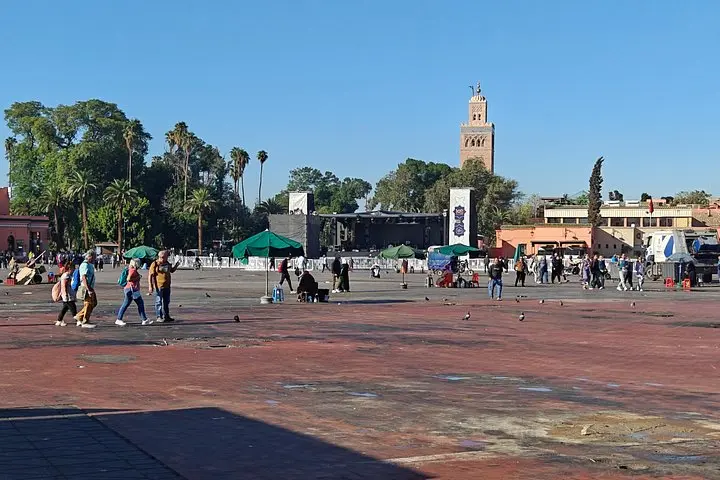
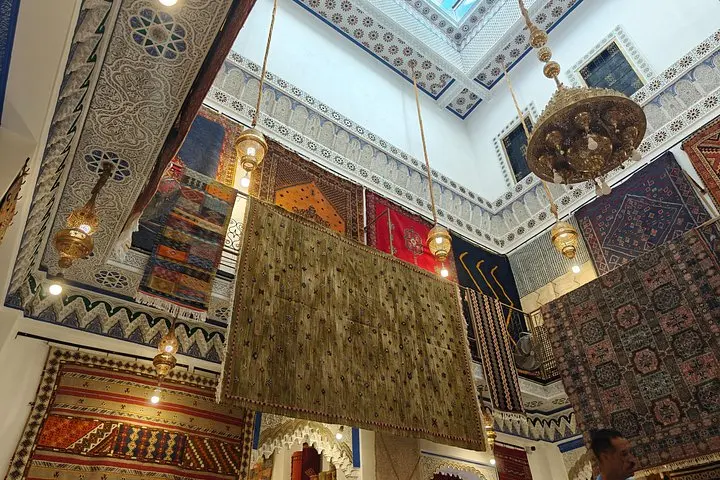
The air in Marrakech’s medina carries spice, leather, and the low hum of bargaining — a steady current that pushes you deeper into alleys lined with stalls. Begin at a sun-warmed square and let a local guide steer you through twisting lanes where rugs hang like panels and copperware glints under the ochre city walls.
Verified experiences and guided adventures in the surrounding area.
Operated by Take your guide · Marrakech, Marrakech-Safi
The air in Marrakech’s medina carries spice, leather, and the low hum of bargaining — a steady current that pushes you deeper into alleys lined with stalls. Begin at a sun-warmed square and let a local guide steer you through twisting lanes where rugs hang like panels and copperware glints under the ochre city walls.
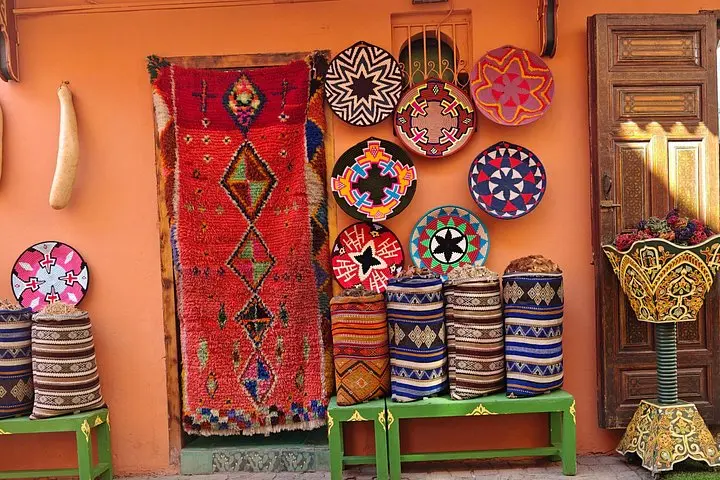
The medina dates to the 11th–12th centuries as the historic core of Marrakech; its souks evolved into specialized markets over generations. Geology shows here in the city’s red stone and clay buildings, the same earth tones that tie the medina visually to the nearby High Atlas foothills. Culture is immediate: artisans working brass, dyers stacking indigo, and spice sellers arranging pyramids of cumin and saffron.
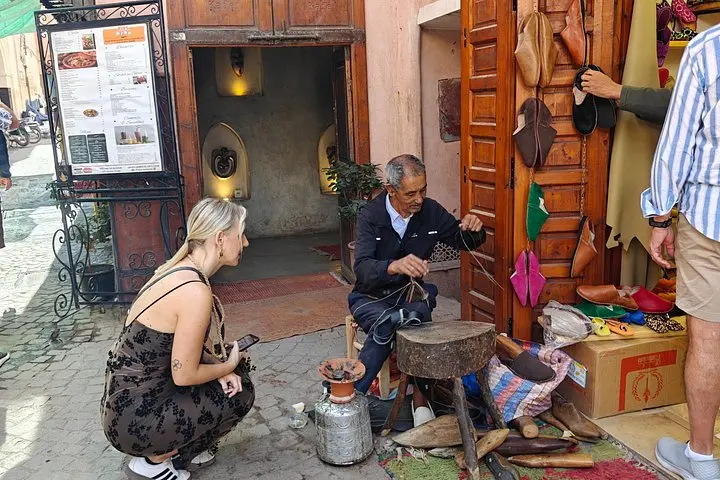
Your guided walk visits Souk Semmarine and Rahba Lakdima, spots where local life and commerce intersect. Expect narrow cobbles, occasional motorbikes, and sensory overload that’s part choreography, part chaos. Guides explain how to haggle respectfully, what crafts are locally made, and which snacks are freshly prepared.
Practical edge: aim for morning or late afternoon to avoid peak heat, carry a refillable water bottle, and wear closed-toe shoes for uneven surfaces. Carry small bills for purchases and a lightweight bag that zips; pick pockets can be opportunistic in crowds. Tours usually last about three hours and are suitable for most fitness levels — they’re walking-focused, not strenuous, but require steady footing and patience in busy lanes.
A souk visit is both a navigation of place and people: move deliberately, listen to the guide, and let the market reveal its rhythms.
The operator notes wheelchair accessibility for main areas, but narrow alleys and uneven cobbles can limit movement — check with the guide for specific needs.
Many vendors offer freshly prepared snacks; choose busy stalls, ask the guide for recommendations, and avoid uncooked items if you have a sensitive stomach.
Tipping is customary; 5–10% of the tour price or a few euros/dirhams per person is appropriate, depending on service.
Small vendors are cash-only; some bigger shops accept cards, but bring enough dirhams for purchases and haggling.
Take your guide operates guided outdoor trips and adventures with an emphasis on safety, stewardship, and memorable experiences.
The air in Marrakech’s medina carries spice, leather, and the low hum of bargaining — a steady current that pushes you deeper into alleys lined with stalls. Begin at a sun-warmed square and let a local guide steer you through twisting lanes where rugs hang like panels and copperware glints under the ochre city walls.
The air in Marrakech’s medina carries spice, leather, and the low hum of bargaining — a steady current that pushes you deeper into alleys lined with stalls. Begin at a sun-warmed square and let a local guide steer you through twisting lanes where rugs hang like panels and copperware glints under the ochre city walls.
The medina dates to the 11th–12th centuries as the historic core of Marrakech; its souks evolved into specialized markets over generations. Geology shows here in the city’s red stone and clay buildings, the same earth tones that tie the medina visually to the nearby High Atlas foothills. Culture is immediate: artisans working brass, dyers stacking indigo, and spice sellers arranging pyramids of cumin and saffron.
Your guided walk visits Souk Semmarine and Rahba Lakdima, spots where local life and commerce intersect. Expect narrow cobbles, occasional motorbikes, and sensory overload that’s part choreography, part chaos. Guides explain how to haggle respectfully, what crafts are locally made, and which snacks are freshly prepared.
Practical edge: aim for morning or late afternoon to avoid peak heat, carry a refillable water bottle, and wear closed-toe shoes for uneven surfaces. Carry small bills for purchases and a lightweight bag that zips; pick pockets can be opportunistic in crowds. Tours usually last about three hours and are suitable for most fitness levels — they’re walking-focused, not strenuous, but require steady footing and patience in busy lanes.
A souk visit is both a navigation of place and people: move deliberately, listen to the guide, and let the market reveal its rhythms.