THE ADVENTURE COLLECTIVE® · Independent discovery and booking for outdoor travel

Walk the heart of Marrakech with a local guide: from the Koutoubia minaret to the labyrinth of souks and the living stage of Jemaa el-Fna. This tour blends history, craft stops and practical tips for navigating the medina on foot.
Walk the heart of Marrakech with a local guide: from the Koutoubia minaret to the labyrinth of souks and the living stage of Jemaa el-Fna. This tour blends history, craft stops and practical tips for navigating the medina on foot.
Morning light hits the sandstone minaret and the city exhales: that’s Marrakech. On Jamal’s walking tour you move with the medina’s rhythm—through alleys where vendors call, past horseshoe arches and heavy riad doors, into the pulse of Jemaa el-Fna. The Koutoubia Mosque stands like a practical compass, its gardens offering a quiet moment before you thread the souks.
Verified experiences and guided adventures in the surrounding area.
Operated by Ask Your Guide Morocco · Marrakech, Marrakech-Safi
Morning light hits the sandstone minaret and the city exhales: that’s Marrakech. On Jamal’s walking tour you move with the medina’s rhythm—through alleys where vendors call, past horseshoe arches and heavy riad doors, into the pulse of Jemaa el-Fna. The Koutoubia Mosque stands like a practical compass, its gardens offering a quiet moment before you thread the souks.
This route traces centuries: the mosque and city walls date to the 12th-century Almohad era; Ben Youssef Madrasa later became a center of Islamic learning. Geologically, the buildings draw from local red ochre clay and cedar timbers from the nearby High Atlas, giving streets their warm, earthen tone. Culturally the medina is layered—Arab, Amazigh, Andalusi influences and a once-thriving Jewish Mellah—so each alley carries a different accent of music, spice and craft.
Expect a mix of paved and uneven stone, short staircases in riads, and busy market noise. The guide’s local knowledge transforms stops at herbalist shops, gates like Bab Agnaou and the Ben Youssef courtyard into context-rich moments about religion, trade and daily life.
Practical edge: schedule the walk early or late to avoid midday heat and the densest crowds; wear closed, grippy shoes for cobbles; carry water, a small amount of cash, and a scarf for mosque-adjacent sites. The tour is a concentrated primer on Marrakech—historical frames, sensory markets and the practical habits that make moving through the medina smooth and respectful.
No—the mosque interior is not open to non-Muslim visitors, but you can explore the gardens and learn about its history from your guide.
Tours run about 1–4 hours depending on the itinerary and typically start near the medina edge close to the Koutoubia or a central meeting point in the old city.
The route includes uneven surfaces and some narrow passages; children can participate but those with limited mobility should check wheelchair accessibility with the operator in advance.
Bring cash (Moroccan dirham) for market purchases and tips; some larger sites accept cards, but many small vendors do not.
Ask Your Guide Morocco operates guided outdoor trips and adventures with an emphasis on safety, stewardship, and memorable experiences.
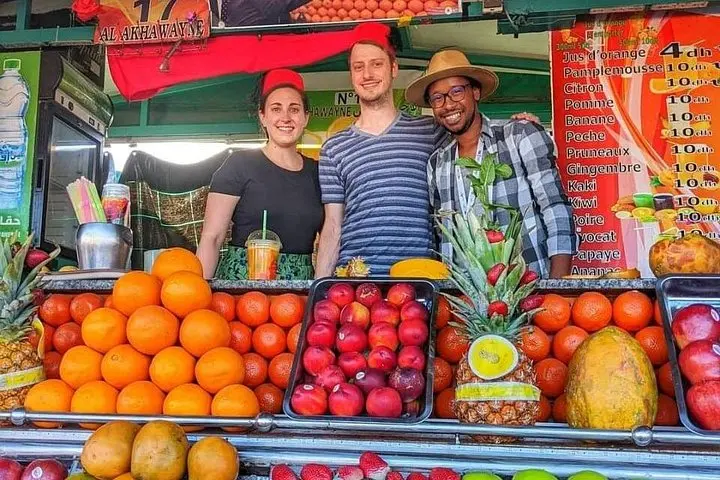
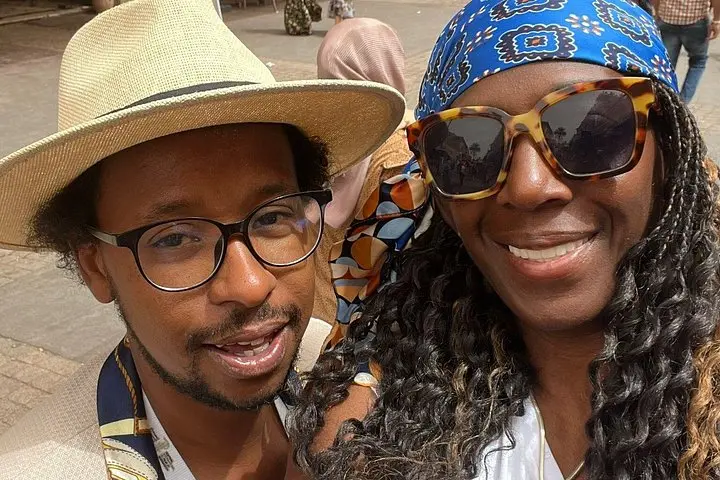
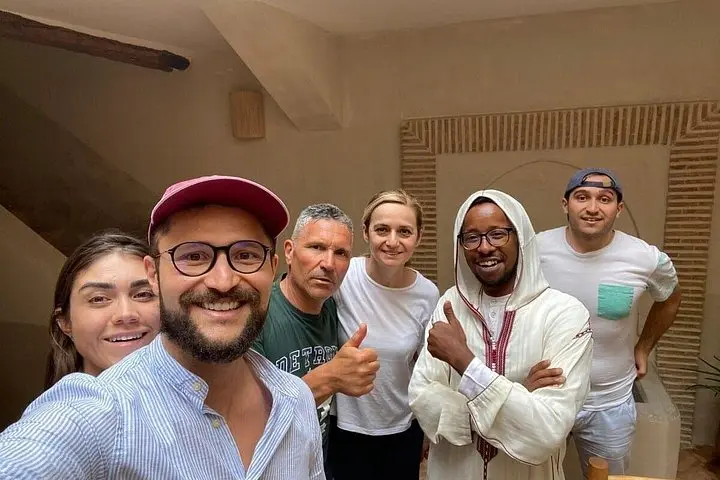
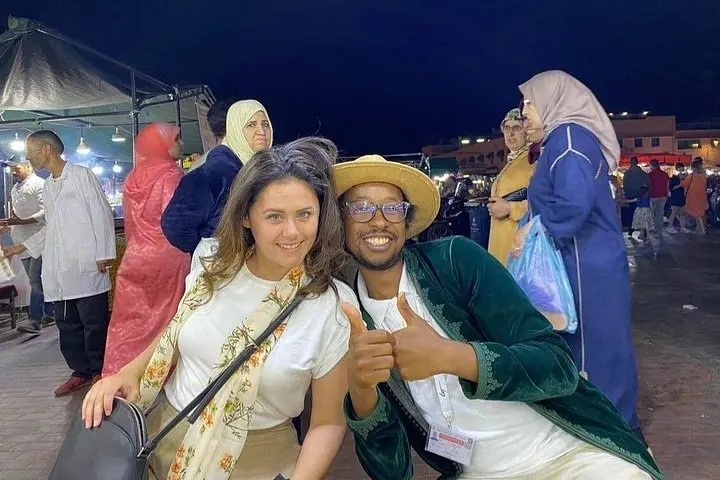
Morning light hits the sandstone minaret and the city exhales: that’s Marrakech. On Jamal’s walking tour you move with the medina’s rhythm—through alleys where vendors call, past horseshoe arches and heavy riad doors, into the pulse of Jemaa el-Fna. The Koutoubia Mosque stands like a practical compass, its gardens offering a quiet moment before you thread the souks.
Morning light hits the sandstone minaret and the city exhales: that’s Marrakech. On Jamal’s walking tour you move with the medina’s rhythm—through alleys where vendors call, past horseshoe arches and heavy riad doors, into the pulse of Jemaa el-Fna. The Koutoubia Mosque stands like a practical compass, its gardens offering a quiet moment before you thread the souks.
This route traces centuries: the mosque and city walls date to the 12th-century Almohad era; Ben Youssef Madrasa later became a center of Islamic learning. Geologically, the buildings draw from local red ochre clay and cedar timbers from the nearby High Atlas, giving streets their warm, earthen tone. Culturally the medina is layered—Arab, Amazigh, Andalusi influences and a once-thriving Jewish Mellah—so each alley carries a different accent of music, spice and craft.
Expect a mix of paved and uneven stone, short staircases in riads, and busy market noise. The guide’s local knowledge transforms stops at herbalist shops, gates like Bab Agnaou and the Ben Youssef courtyard into context-rich moments about religion, trade and daily life.
Practical edge: schedule the walk early or late to avoid midday heat and the densest crowds; wear closed, grippy shoes for cobbles; carry water, a small amount of cash, and a scarf for mosque-adjacent sites. The tour is a concentrated primer on Marrakech—historical frames, sensory markets and the practical habits that make moving through the medina smooth and respectful.