THE ADVENTURE COLLECTIVE® · Independent discovery and booking for outdoor travel

Walk the historic arteries of Marrakech with a licensed local guide: from the 70‑meter Koutoubia minaret to the fragrant gardens of Bahia Palace and the restored Saadian tombs. This practical three‑hour tour blends architecture, history, and city life for first‑time visitors.
Walk the historic arteries of Marrakech with a licensed local guide: from the 70‑meter Koutoubia minaret to the fragrant gardens of Bahia Palace and the restored Saadian tombs. This practical three‑hour tour blends architecture, history, and city life for first‑time visitors.
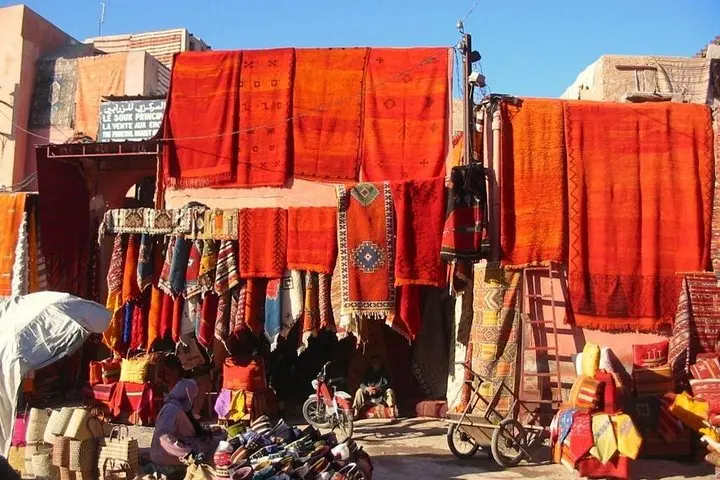
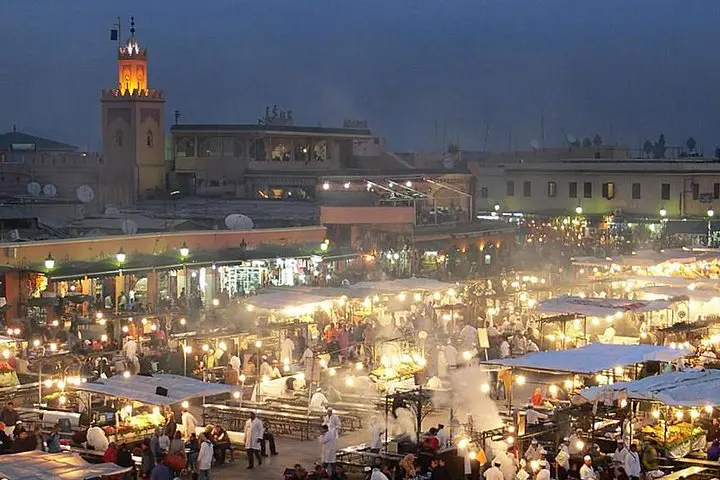
You step through a low stone gate and the medina opens like a living map: narrow alleys shaded by fabric canopies, vendors arranging spices in bright cones, and the distant Koutoubia minaret slicing the blue sky. The city smells of orange blossom and frying dough; voices and bicycles thread together, pulling you toward the heart of Marrakech.
Verified experiences and guided adventures in the surrounding area.
Operated by Morocco First Gate · Marrakech, Marrakesh-Safi
You step through a low stone gate and the medina opens like a living map: narrow alleys shaded by fabric canopies, vendors arranging spices in bright cones, and the distant Koutoubia minaret slicing the blue sky. The city smells of orange blossom and frying dough; voices and bicycles thread together, pulling you toward the heart of Marrakech.
This guided walking tour follows three anchors of the old city. The 70-meter Koutoubia minaret is a clear example of Hispano‑Moorish design and a historic navigation point for centuries. Bahia Palace, built in the 19th century, offers cedar wood domes, carved stucco, and gardens planted with citrus and jasmine. Nearby, the Saadian tombs—built under Sultan Ahmad al‑Mansur (1578–1603) and rediscovered in 1917—display intricate marble and tile work that survived the city’s turbulent shifts.
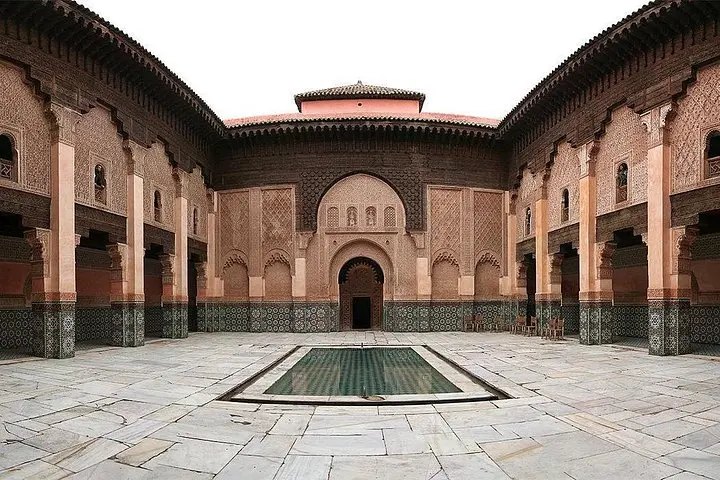
The medina itself sits on red ochre soils at the northern edge of the High Atlas foothills; its architecture reflects Andalusi and Moroccan craft traditions. Daily life is visible in riad courtyards, rooftop tea service, and stalls where artisans mend the city’s patterns.
Practical guidance: the tour runs about three hours on mostly flat, cobbled streets—comfortable walking shoes are essential. Mornings and late afternoons are cooler and quieter; bring water, small cash for tips and purchases, and a scarf for modesty inside religious sites. Expect uneven pavement and narrow lanes crowded with foot traffic and scooters; follow your licensed guide for shortcuts, cultural context, and the best rooftop viewpoints to photograph the minaret and the city’s ochre walls.
Entrance fees are typically not included—check booking details or bring cash to pay on-site if you plan to enter monuments.
Licensed guides commonly speak English, French, and Arabic; confirm language availability when booking.
The medina has narrow lanes and some stairs; infants in strollers are possible in parts, but a carrier is easier for full access.
Wear modest, breathable clothing that covers shoulders and knees for comfort and respect when visiting religious sites; a hat and sunscreen are recommended in summer.
Morocco First Gate operates guided outdoor trips and adventures with an emphasis on safety, stewardship, and memorable experiences.
You step through a low stone gate and the medina opens like a living map: narrow alleys shaded by fabric canopies, vendors arranging spices in bright cones, and the distant Koutoubia minaret slicing the blue sky. The city smells of orange blossom and frying dough; voices and bicycles thread together, pulling you toward the heart of Marrakech.
You step through a low stone gate and the medina opens like a living map: narrow alleys shaded by fabric canopies, vendors arranging spices in bright cones, and the distant Koutoubia minaret slicing the blue sky. The city smells of orange blossom and frying dough; voices and bicycles thread together, pulling you toward the heart of Marrakech.
This guided walking tour follows three anchors of the old city. The 70-meter Koutoubia minaret is a clear example of Hispano‑Moorish design and a historic navigation point for centuries. Bahia Palace, built in the 19th century, offers cedar wood domes, carved stucco, and gardens planted with citrus and jasmine. Nearby, the Saadian tombs—built under Sultan Ahmad al‑Mansur (1578–1603) and rediscovered in 1917—display intricate marble and tile work that survived the city’s turbulent shifts.
The medina itself sits on red ochre soils at the northern edge of the High Atlas foothills; its architecture reflects Andalusi and Moroccan craft traditions. Daily life is visible in riad courtyards, rooftop tea service, and stalls where artisans mend the city’s patterns.
Practical guidance: the tour runs about three hours on mostly flat, cobbled streets—comfortable walking shoes are essential. Mornings and late afternoons are cooler and quieter; bring water, small cash for tips and purchases, and a scarf for modesty inside religious sites. Expect uneven pavement and narrow lanes crowded with foot traffic and scooters; follow your licensed guide for shortcuts, cultural context, and the best rooftop viewpoints to photograph the minaret and the city’s ochre walls.