THE ADVENTURE COLLECTIVE® · Independent discovery and booking for outdoor travel

Escape Marrakech for a day into the Ourika Valley to hike to Setti Fadma’s cascades, meet Berber villagers and visit an argan cooperative. This practical guide explains what to expect on the eight‑hour day trip and how to prepare.
Escape Marrakech for a day into the Ourika Valley to hike to Setti Fadma’s cascades, meet Berber villagers and visit an argan cooperative. This practical guide explains what to expect on the eight‑hour day trip and how to prepare.
A morning drive from Marrakech climbs toward the High Atlas and the air changes—cooler, with cedar-scented wind and a ribbon of the Ourika River daring you to follow it upstream.
Verified experiences and guided adventures in the surrounding area.
Operated by Chtouki Luxury Travel - Morocco · Setti Fadma, Marrakech-Safi
A morning drive from Marrakech climbs toward the High Atlas and the air changes—cooler, with cedar-scented wind and a ribbon of the Ourika River daring you to follow it upstream.
The route threads through palm-lined valley floors, terraces carved into steep slopes and villages whose stone homes date back centuries. In the foothills, Setti Fadma serves as a base for short hikes to a series of seven cascades where clear pools collect below stepped rock ledges. The valley’s geology is predominantly schist and sandstone; seasonal runoff swells the waterfalls in winter and spring and thins them to delicate ribbons late summer.
Berber communities here have farmed terraces and raised goats for generations; stop at a women’s argan cooperative to see cold-pressed oil production and pick up locally made soap. On Mondays a roadside souk near the valley fills with spices, textiles and produce—an efficient snapshot of rural commerce.
Practically, expect an 8-hour day trip from Marrakech with 30–40 km of driving each way depending on the route, and an easy 1.5–3 km round-trip walk to the lower falls (150–300 m elevation change if you climb higher). Wear sturdy shoes for rocky steps, carry water and cash (MAD) for small purchases, and time the visit early or late to avoid peak local crowds. Camel rides and a traditional tajine lunch are common options—good ways to add context and calories to a day of light hiking and cultural discovery.
The lower falls are typically a 1.5–3 km round trip from Setti Fadma with uneven stone steps; reaching the upper cascades lengthens the walk and increases steepness.
Yes—the itinerary is often rated easy; pick shorter routes to the lower falls and avoid steep climbs if mobility is limited.
Many tours offer a tajine lunch (chicken or beef) and salad; confirm inclusion when booking or budget for a local meal at a riverside cafe.
Basic public toilets and small cafes exist in Setti Fadma and hamlets, but facilities can be simple—carry tissues and hand sanitizer.
Chtouki Luxury Travel - Morocco operates guided outdoor trips and adventures with an emphasis on safety, stewardship, and memorable experiences.
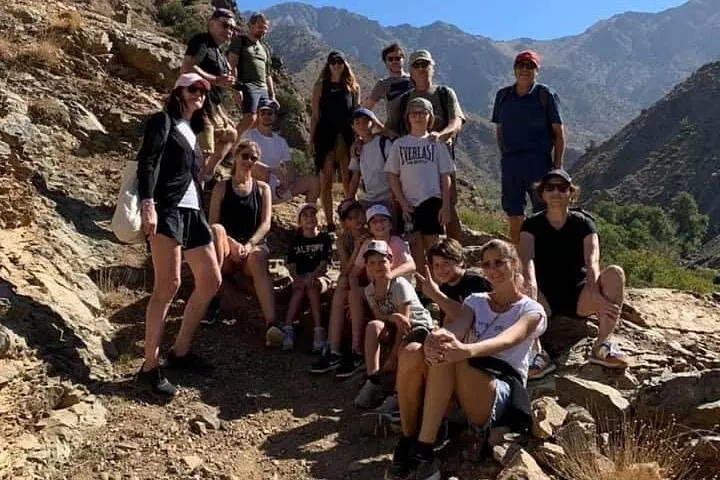
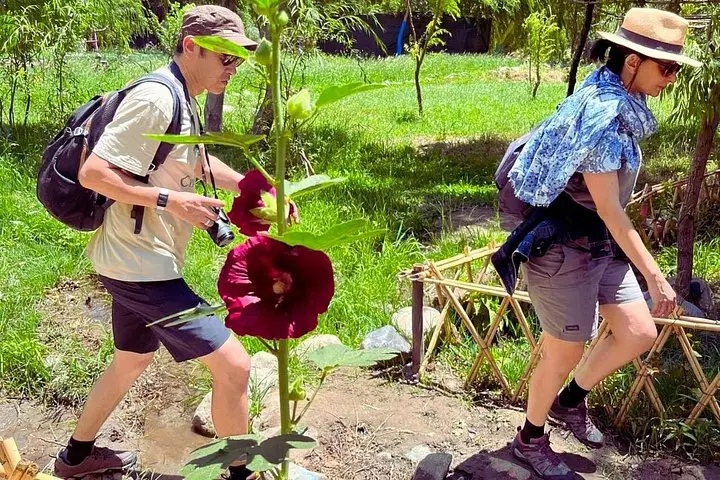
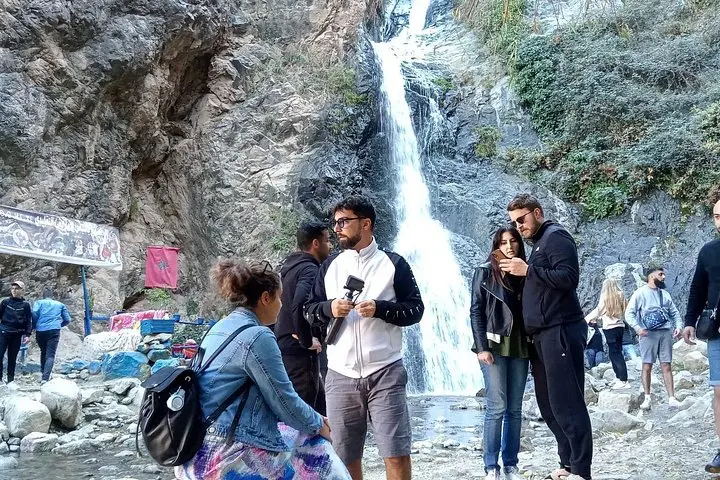
A morning drive from Marrakech climbs toward the High Atlas and the air changes—cooler, with cedar-scented wind and a ribbon of the Ourika River daring you to follow it upstream.
A morning drive from Marrakech climbs toward the High Atlas and the air changes—cooler, with cedar-scented wind and a ribbon of the Ourika River daring you to follow it upstream.
The route threads through palm-lined valley floors, terraces carved into steep slopes and villages whose stone homes date back centuries. In the foothills, Setti Fadma serves as a base for short hikes to a series of seven cascades where clear pools collect below stepped rock ledges. The valley’s geology is predominantly schist and sandstone; seasonal runoff swells the waterfalls in winter and spring and thins them to delicate ribbons late summer.
Berber communities here have farmed terraces and raised goats for generations; stop at a women’s argan cooperative to see cold-pressed oil production and pick up locally made soap. On Mondays a roadside souk near the valley fills with spices, textiles and produce—an efficient snapshot of rural commerce.
Practically, expect an 8-hour day trip from Marrakech with 30–40 km of driving each way depending on the route, and an easy 1.5–3 km round-trip walk to the lower falls (150–300 m elevation change if you climb higher). Wear sturdy shoes for rocky steps, carry water and cash (MAD) for small purchases, and time the visit early or late to avoid peak local crowds. Camel rides and a traditional tajine lunch are common options—good ways to add context and calories to a day of light hiking and cultural discovery.