THE ADVENTURE COLLECTIVE® · Independent discovery and booking for outdoor travel

Escape Marrakech for a day and follow the Ourika River into the High Atlas to reach Setti Fatma’s waterfalls, argan cooperatives, and living Berber culture. This private day trip combines short hikes, river-side lunches, and village visits — perfect for travelers wanting an easy mountain escape.
Escape Marrakech for a day and follow the Ourika River into the High Atlas to reach Setti Fatma’s waterfalls, argan cooperatives, and living Berber culture. This private day trip combines short hikes, river-side lunches, and village visits — perfect for travelers wanting an easy mountain escape.
You leave Marrakech’s ochre walls and climb into the Atlas, the road tightening into switchbacks as the valley opens. The river in the gorge pushes the light and dust downstream; olive terraces step up the hillsides and small stone houses cling like decisions to the slope. Setti Fatma sits where the trail meets the water — a cluster of cafés, a lively market on Mondays, and the first stair-step of paths toward the waterfalls.
Verified experiences and guided adventures in the surrounding area.
Operated by Visit morocco tours · Setti Fatma, Marrakech-Safi
You leave Marrakech’s ochre walls and climb into the Atlas, the road tightening into switchbacks as the valley opens. The river in the gorge pushes the light and dust downstream; olive terraces step up the hillsides and small stone houses cling like decisions to the slope. Setti Fatma sits where the trail meets the water — a cluster of cafés, a lively market on Mondays, and the first stair-step of paths toward the waterfalls.
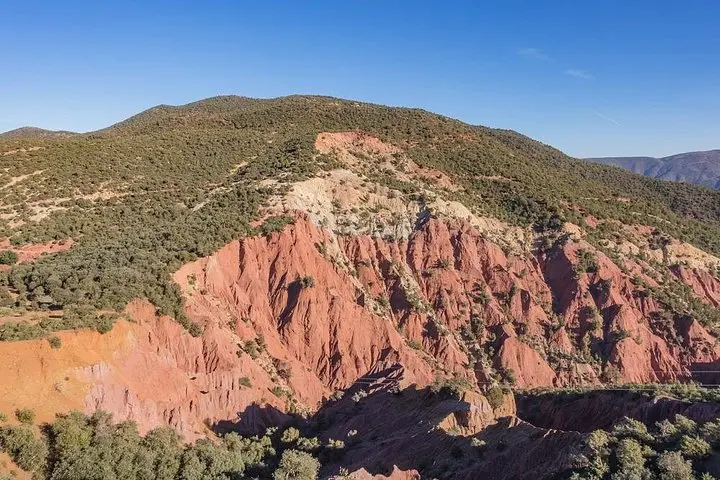
Geology here is sharp and exposed: folded sedimentary layers uplifted by the High Atlas, eroded into narrow gorges and terraces. Human history is visible in the terraces and argan groves; Berber communities have farmed steep slopes for centuries and still run small cooperatives producing argan oil and woven goods. Culture is tactile — shared bread, a mint tea poured with a practiced hand, and local guides who know which springs run year-round.
On the walk to the cascades expect rocky, sometimes slick trails and short uphill sections; the main waterfall route is a series of steps and river crossings rather than technical climbing. The optional picnic by the stream and a visit to a Berber home give a close-up of daily life.
Practical notes: start early to avoid midday heat, bring cash for small purchases, and wear sturdy shoes with grip for wet stones. Respect private homes and ask before photographing people. The trip is accessible for most fitness levels but involves uneven terrain and occasional steep steps — pack water, sun protection, and a light layer for mountain breezes.
The drive typically takes 45–75 minutes each way depending on traffic and the exact meeting point in Marrakech.
Yes, older children who are comfortable on uneven terrain can do the walk; keep younger children close near water and steep steps.
Yes — many private tours include a respectful visit to a Berber family; always follow the guide’s advice and ask before photographing.
Lunch is usually at a local riverside restaurant and may be optional; check the tour details — bring cash if it’s not included.
Visit morocco tours operates guided outdoor trips and adventures with an emphasis on safety, stewardship, and memorable experiences.
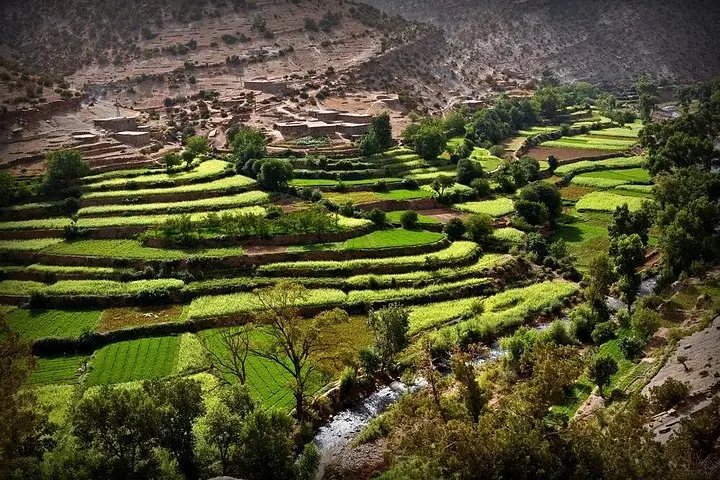
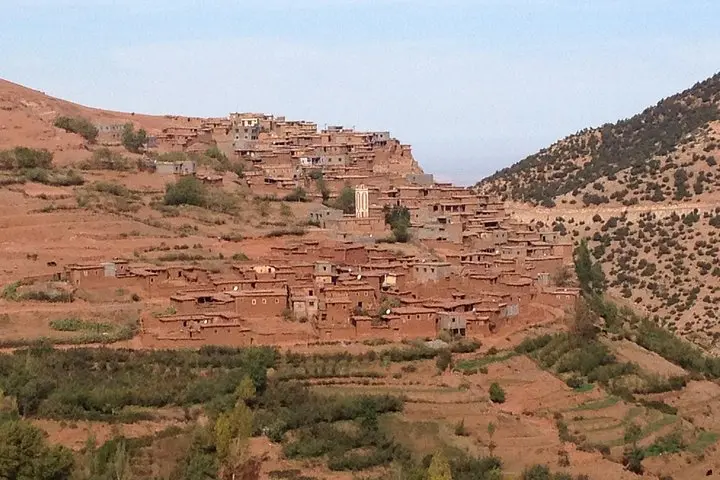
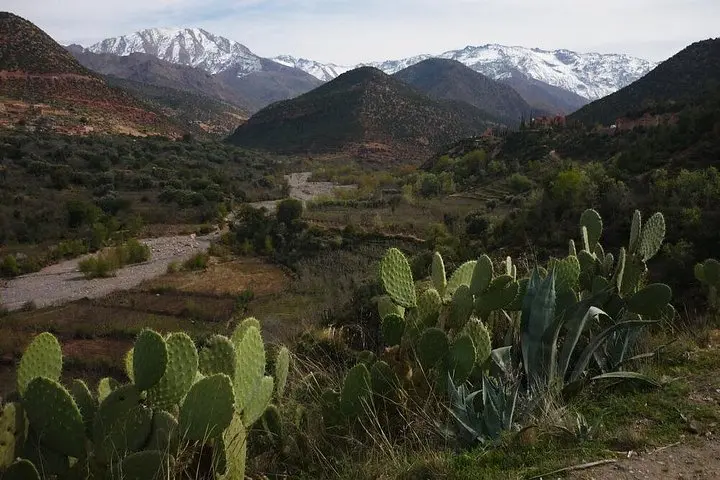
You leave Marrakech’s ochre walls and climb into the Atlas, the road tightening into switchbacks as the valley opens. The river in the gorge pushes the light and dust downstream; olive terraces step up the hillsides and small stone houses cling like decisions to the slope. Setti Fatma sits where the trail meets the water — a cluster of cafés, a lively market on Mondays, and the first stair-step of paths toward the waterfalls.
You leave Marrakech’s ochre walls and climb into the Atlas, the road tightening into switchbacks as the valley opens. The river in the gorge pushes the light and dust downstream; olive terraces step up the hillsides and small stone houses cling like decisions to the slope. Setti Fatma sits where the trail meets the water — a cluster of cafés, a lively market on Mondays, and the first stair-step of paths toward the waterfalls.
Geology here is sharp and exposed: folded sedimentary layers uplifted by the High Atlas, eroded into narrow gorges and terraces. Human history is visible in the terraces and argan groves; Berber communities have farmed steep slopes for centuries and still run small cooperatives producing argan oil and woven goods. Culture is tactile — shared bread, a mint tea poured with a practiced hand, and local guides who know which springs run year-round.
On the walk to the cascades expect rocky, sometimes slick trails and short uphill sections; the main waterfall route is a series of steps and river crossings rather than technical climbing. The optional picnic by the stream and a visit to a Berber home give a close-up of daily life.
Practical notes: start early to avoid midday heat, bring cash for small purchases, and wear sturdy shoes with grip for wet stones. Respect private homes and ask before photographing people. The trip is accessible for most fitness levels but involves uneven terrain and occasional steep steps — pack water, sun protection, and a light layer for mountain breezes.