THE ADVENTURE COLLECTIVE® · Independent discovery and booking for outdoor travel

Escape Marrakech for a day into the Ourika Valley—hike to Setti Fatma’s waterfalls, visit a traditional Berber house and argan cooperative, and enjoy a riverside lunch framed by Atlas Mountains views.
Escape Marrakech for a day into the Ourika Valley—hike to Setti Fatma’s waterfalls, visit a traditional Berber house and argan cooperative, and enjoy a riverside lunch framed by Atlas Mountains views.
You leave Marrakech as the morning light softens the red city walls, and the road climbs into the Atlas Mountains. Olive and almond terraces slip by like pages in a field guide; the Ourika River runs ahead, daring you downstream with a steady, rocky voice. The first hour is a scenic transition—craggy peaks and stepped fields give the city a respectful distance.
Verified experiences and guided adventures in the surrounding area.
Operated by GoMoroccoTour · Ourika, Marrakesh-Safi
You leave Marrakech as the morning light softens the red city walls, and the road climbs into the Atlas Mountains. Olive and almond terraces slip by like pages in a field guide; the Ourika River runs ahead, daring you downstream with a steady, rocky voice. The first hour is a scenic transition—craggy peaks and stepped fields give the city a respectful distance.
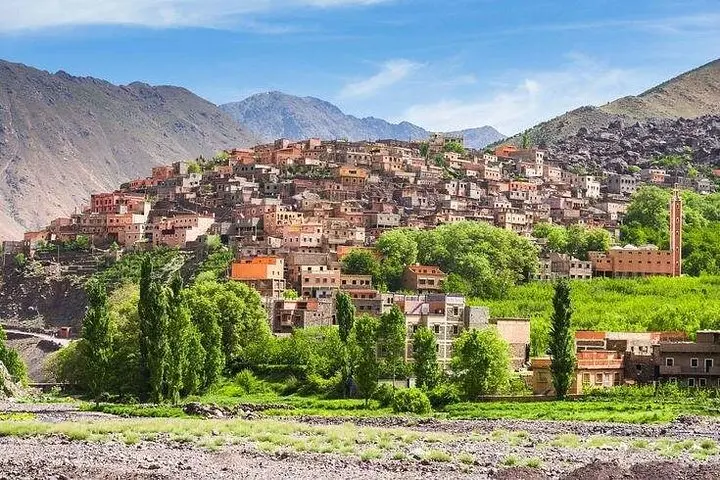
The route has been traveled for centuries by Amazigh (Berber) communities whose stone houses and terraced plots still define the valley. Geologically the High Atlas here is young and folded, made of uplifted sedimentary layers and jagged volcanic intrusions that create sharp ridgelines and narrow river cuts. Culturally, stops at a Berber house and a women’s argan cooperative reveal daily life: mortar-and-pestle argan grinding, slow-brewed mint tea, and stories tied to mountain seasons.
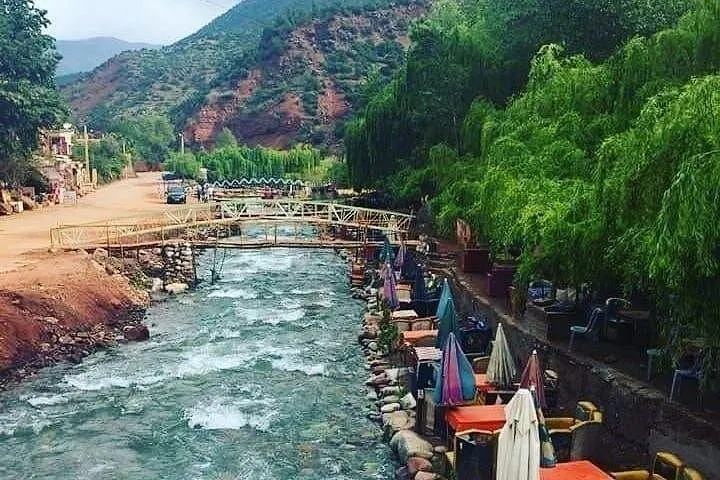
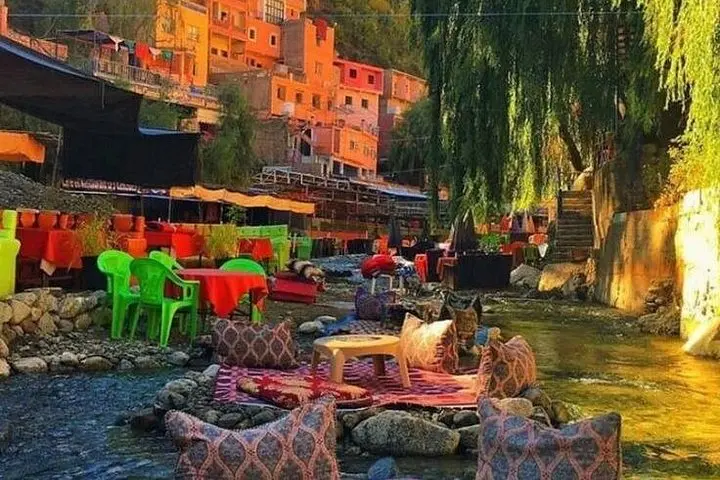
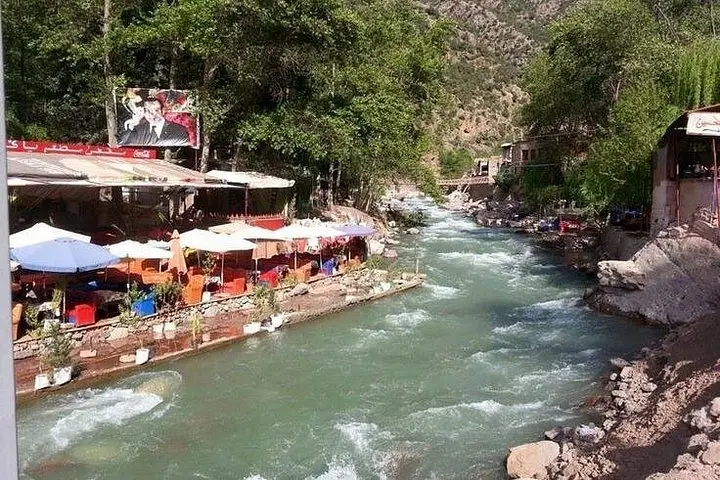
The hike to Setti Fatma’s cascades is straightforward but uneven—rocky footpaths, short steeps, and river crossings that reward with cool spray and framed views. Expect 2–3 hours of walking on the upper trail sections if you explore several falls. Lunch by the river is simple and local: tagine, fresh bread, and the river’s steady soundtrack.
Practical edge: start early to avoid heat, wear sturdy shoes with traction for wet rocks, carry water and sun protection, and respect private homes when visiting villages. The valley is fragile—stick to established trails and support local cooperatives when you can. This day trip balances accessible hiking, cultural insight, and mountain scenery in a single, doable day from Marrakech.
About 45–60 minutes to the main Ourika Valley access points; travel time varies with traffic and exact pickup location.
Yes—many sections are family-friendly, but some river crossings and uneven steps may be challenging for very young children or those with mobility issues.
The tour typically includes private round-trip transport and a riverside lunch (depending on option selected); confirm inclusions at booking.
Yes—visits often include a stop at a women’s cooperative where you can sample and purchase locally produced argan oil and handmade goods.
GoMoroccoTour operates guided outdoor trips and adventures with an emphasis on safety, stewardship, and memorable experiences.
You leave Marrakech as the morning light softens the red city walls, and the road climbs into the Atlas Mountains. Olive and almond terraces slip by like pages in a field guide; the Ourika River runs ahead, daring you downstream with a steady, rocky voice. The first hour is a scenic transition—craggy peaks and stepped fields give the city a respectful distance.
You leave Marrakech as the morning light softens the red city walls, and the road climbs into the Atlas Mountains. Olive and almond terraces slip by like pages in a field guide; the Ourika River runs ahead, daring you downstream with a steady, rocky voice. The first hour is a scenic transition—craggy peaks and stepped fields give the city a respectful distance.
The route has been traveled for centuries by Amazigh (Berber) communities whose stone houses and terraced plots still define the valley. Geologically the High Atlas here is young and folded, made of uplifted sedimentary layers and jagged volcanic intrusions that create sharp ridgelines and narrow river cuts. Culturally, stops at a Berber house and a women’s argan cooperative reveal daily life: mortar-and-pestle argan grinding, slow-brewed mint tea, and stories tied to mountain seasons.
The hike to Setti Fatma’s cascades is straightforward but uneven—rocky footpaths, short steeps, and river crossings that reward with cool spray and framed views. Expect 2–3 hours of walking on the upper trail sections if you explore several falls. Lunch by the river is simple and local: tagine, fresh bread, and the river’s steady soundtrack.
Practical edge: start early to avoid heat, wear sturdy shoes with traction for wet rocks, carry water and sun protection, and respect private homes when visiting villages. The valley is fragile—stick to established trails and support local cooperatives when you can. This day trip balances accessible hiking, cultural insight, and mountain scenery in a single, doable day from Marrakech.