THE ADVENTURE COLLECTIVE® · Independent discovery and booking for outdoor travel

Drive less than 90 minutes from Marrakech to the Ourika Valley for short hikes to Setti-Fatma’s cascades and visits with Berber village life. This accessible day trip mixes river-side walks, steep stone paths, and a chance to catch a Monday souk.
Drive less than 90 minutes from Marrakech to the Ourika Valley for short hikes to Setti-Fatma’s cascades and visits with Berber village life. This accessible day trip mixes river-side walks, steep stone paths, and a chance to catch a Monday souk.
Sunlight slips off red-tiled roofs as you leave Marrakech; the plain tightens into a green ribbon of river and poplars that seem to dare you downstream. An hour and a quarter of road brings the High Atlas foothills close enough to touch—rock faces tilt up, terraces and low stone houses appear, and the rhythm of daily life slows. At Setti-Fatma, the river breaks into a series of stepped cascades; the trail climbs beside them, gaining several hundred meters through terraced gardens and almond trees.
Verified experiences and guided adventures in the surrounding area.
Operated by Visages du Maroc Day Tours · Ourika, Marrakech-Safi
Sunlight slips off red-tiled roofs as you leave Marrakech; the plain tightens into a green ribbon of river and poplars that seem to dare you downstream. An hour and a quarter of road brings the High Atlas foothills close enough to touch—rock faces tilt up, terraces and low stone houses appear, and the rhythm of daily life slows. At Setti-Fatma, the river breaks into a series of stepped cascades; the trail climbs beside them, gaining several hundred meters through terraced gardens and almond trees.
The Ourika Valley has long been a corridor between Marrakech and the High Atlas. Berber villages here preserve centuries-old agricultural practices: terraced fields, irrigation channels, and weekly souks where local producers trade everything from argan oil to live goats. Geologically the valley is an incision into Mesozoic limestone and younger marls, shaped by rain and seasonal floods that have carved the cascade steps you visit today.
On the ground expect a mix of paved viewpoints and rough stone paths. The hike to the upper falls is short but steep in places—stone steps, loose gravel, and stream crossings—so pace yourself. Guides often include a stop at a village for mint tea or, if your tour falls on Monday, the roadside souk for textiles and local produce. Bring cash; small vendors rarely accept cards.
Practical timing matters: start early to avoid heat and crowds, wear supportive shoes, and carry at least 1.5 liters of water. Respect local customs—ask before photographing people—and leave no trace on the delicate riverbanks. This is an accessible, culture-rich day that pairs simple walking with clear mountain scenery and real encounters with Berber life.
Expect about 1 hour 15 minutes each way depending on traffic; your tour typically allows 5–8 hours total.
Yes—short sections are steep but pathways are manageable; supervise children near water and cliff edges.
Yes, most tours include stops at local villages or homes for tea and to observe traditional life; always ask permission before entering private areas.
There is usually no formal national park fee for the basic waterfall access, but small local fees or charges for guided paths and mule services may apply.
Visages du Maroc Day Tours operates guided outdoor trips and adventures with an emphasis on safety, stewardship, and memorable experiences.
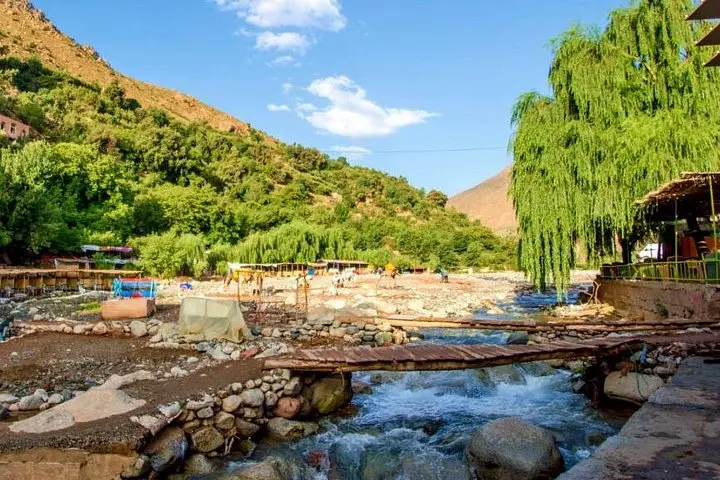
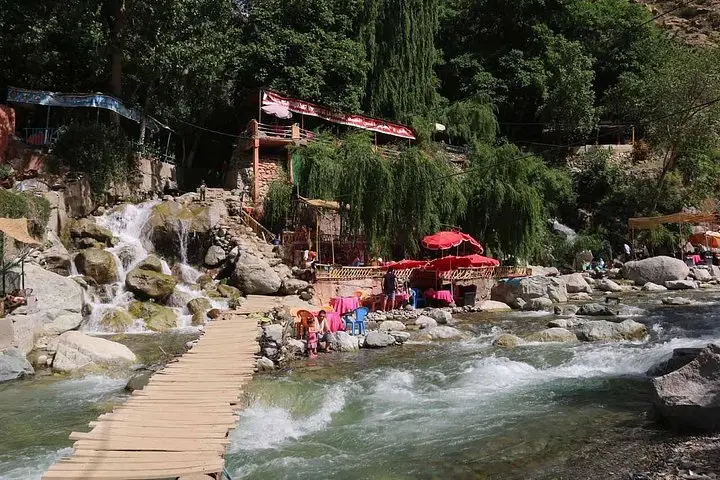
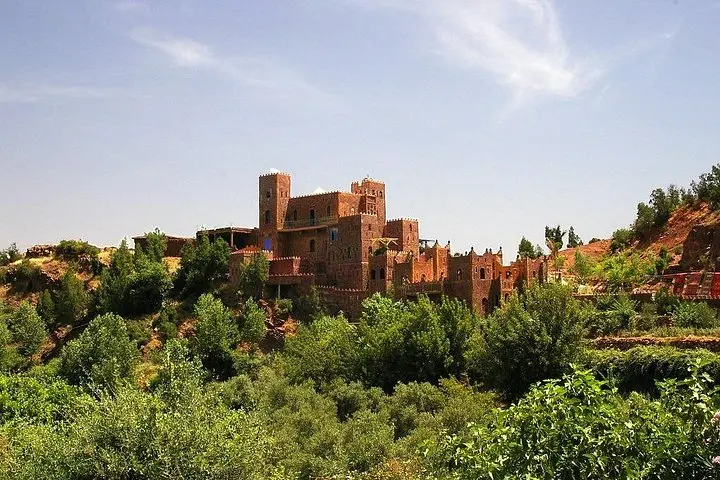
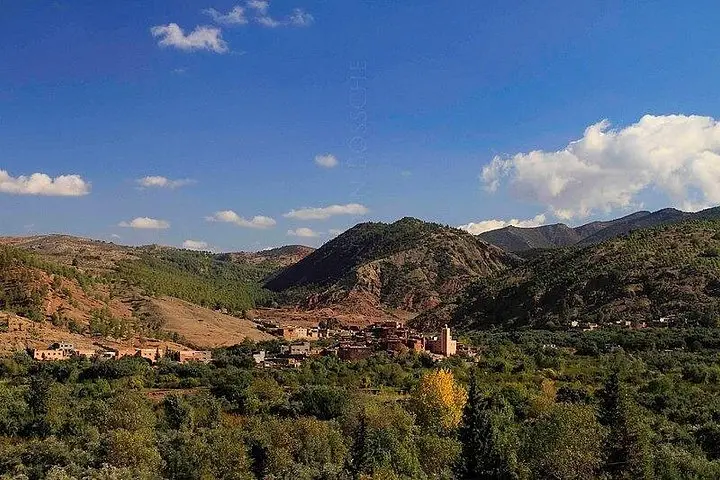
Sunlight slips off red-tiled roofs as you leave Marrakech; the plain tightens into a green ribbon of river and poplars that seem to dare you downstream. An hour and a quarter of road brings the High Atlas foothills close enough to touch—rock faces tilt up, terraces and low stone houses appear, and the rhythm of daily life slows. At Setti-Fatma, the river breaks into a series of stepped cascades; the trail climbs beside them, gaining several hundred meters through terraced gardens and almond trees.
Sunlight slips off red-tiled roofs as you leave Marrakech; the plain tightens into a green ribbon of river and poplars that seem to dare you downstream. An hour and a quarter of road brings the High Atlas foothills close enough to touch—rock faces tilt up, terraces and low stone houses appear, and the rhythm of daily life slows. At Setti-Fatma, the river breaks into a series of stepped cascades; the trail climbs beside them, gaining several hundred meters through terraced gardens and almond trees.
The Ourika Valley has long been a corridor between Marrakech and the High Atlas. Berber villages here preserve centuries-old agricultural practices: terraced fields, irrigation channels, and weekly souks where local producers trade everything from argan oil to live goats. Geologically the valley is an incision into Mesozoic limestone and younger marls, shaped by rain and seasonal floods that have carved the cascade steps you visit today.
On the ground expect a mix of paved viewpoints and rough stone paths. The hike to the upper falls is short but steep in places—stone steps, loose gravel, and stream crossings—so pace yourself. Guides often include a stop at a village for mint tea or, if your tour falls on Monday, the roadside souk for textiles and local produce. Bring cash; small vendors rarely accept cards.
Practical timing matters: start early to avoid heat and crowds, wear supportive shoes, and carry at least 1.5 liters of water. Respect local customs—ask before photographing people—and leave no trace on the delicate riverbanks. This is an accessible, culture-rich day that pairs simple walking with clear mountain scenery and real encounters with Berber life.