THE ADVENTURE COLLECTIVE® · Independent discovery and booking for outdoor travel

Escape Marrakech for a private day trip into the Ourika Valley to hike toward Setti Fatma’s seven waterfalls, visit a women’s argan cooperative and sample authentic mountain-side Berber life. Expect shaded river walks, stepped terraces, and easy scrambles to scenic falls.
Escape Marrakech for a private day trip into the Ourika Valley to hike toward Setti Fatma’s seven waterfalls, visit a women’s argan cooperative and sample authentic mountain-side Berber life. Expect shaded river walks, stepped terraces, and easy scrambles to scenic falls.
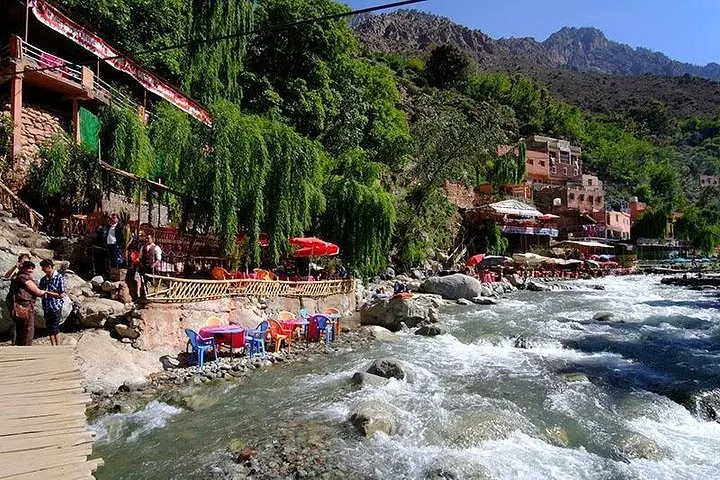
Drive out of Marrakech and the city’s heat peels away as the Atlas foothills loom. The road narrows, olive and argan trees crowd the car, and the Ourika River threads the valley—bright, insistent, daring you to follow. By midmorning you reach the village of Setti Fatma and the trailhead for the seven waterfalls: rock steps, shaded pools and the steady drum of water that will push you up through riparian terraces.
Verified experiences and guided adventures in the surrounding area.
Operated by Marrakech Tours Excursions · Setti Fatma, Marrakesh-Safi
Drive out of Marrakech and the city’s heat peels away as the Atlas foothills loom. The road narrows, olive and argan trees crowd the car, and the Ourika River threads the valley—bright, insistent, daring you to follow. By midmorning you reach the village of Setti Fatma and the trailhead for the seven waterfalls: rock steps, shaded pools and the steady drum of water that will push you up through riparian terraces.
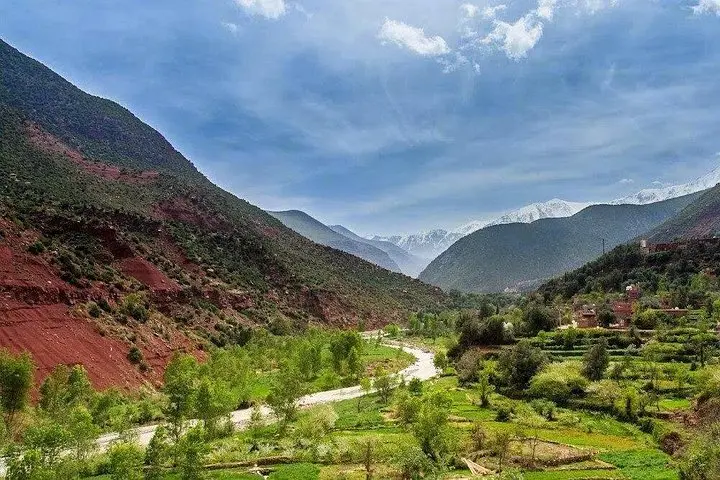
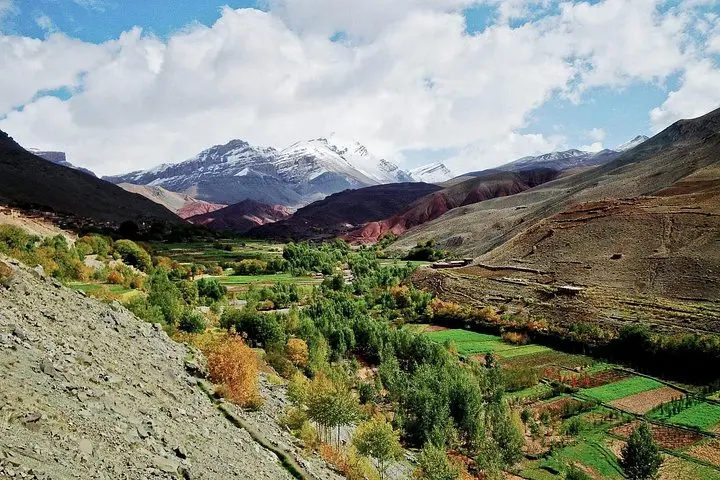
Geology here is recent folded sediment and eroded schist; the stream has carved a shallow gorge that supports fruit groves and terraced fields. The valley has long been a Berber corridor—small red-adobe hamlets cling to slopes, and women’s cooperatives press argan oil in traditional stone mills. You’ll pass kiosks selling mint tea and flatbreads; market days (Monday, Thursday) show the valley’s trade rhythm.
The hike to the upper falls is an accessible scramble rather than technical climbing: expect uneven stone steps, damp rock, and short steep pitches. Plan for 6–7 hours round-trip including stops at a cooperative and lunch beside the river. Wear grippy shoes, bring layered clothing, sun protection and a refillable bottle—shops exist but supply is limited once you leave the main road.
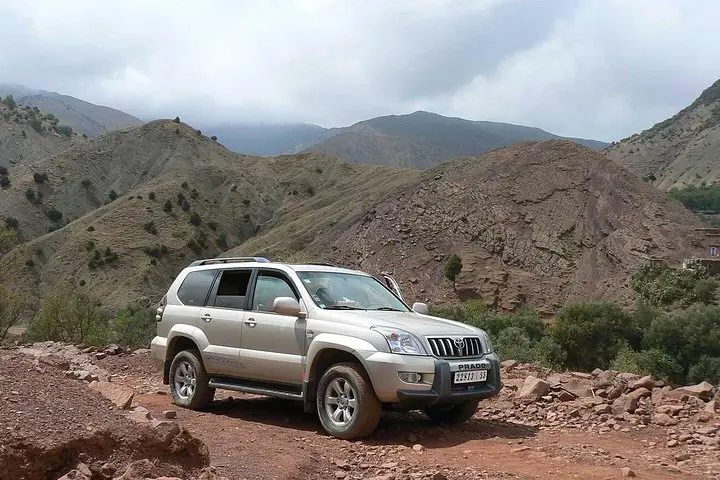
A private guide or driver makes logistics simple: pickup in Marrakech, flexible pacing, and the option to detour through higher Atlas passes. Best times are spring and autumn when water is strong and temperatures mild. Move deliberately on wet steps, respect local customs at villages, and leave no trace—the valley’s quiet depends on it.
The walk from Setti Fatma village to the main falls is roughly 2–3 km round-trip, depending on how many falls you visit; expect uneven terrain and rock steps.
Many families do the lower falls walk; however, higher sections are steeper and require sure footing—consider bringing a carrier for young children and assess mobility for older travelers.
There’s no formal permit for the trail, but small fees or requested donations may apply at parking or to local guides; purchases at cooperatives support local communities.
Yes—this itinerary is commonly offered as a private day trip with hotel pickup and an English-speaking driver-guide, allowing flexible stops en route.
Marrakech Tours Excursions operates guided outdoor trips and adventures with an emphasis on safety, stewardship, and memorable experiences.
Drive out of Marrakech and the city’s heat peels away as the Atlas foothills loom. The road narrows, olive and argan trees crowd the car, and the Ourika River threads the valley—bright, insistent, daring you to follow. By midmorning you reach the village of Setti Fatma and the trailhead for the seven waterfalls: rock steps, shaded pools and the steady drum of water that will push you up through riparian terraces.
Drive out of Marrakech and the city’s heat peels away as the Atlas foothills loom. The road narrows, olive and argan trees crowd the car, and the Ourika River threads the valley—bright, insistent, daring you to follow. By midmorning you reach the village of Setti Fatma and the trailhead for the seven waterfalls: rock steps, shaded pools and the steady drum of water that will push you up through riparian terraces.
Geology here is recent folded sediment and eroded schist; the stream has carved a shallow gorge that supports fruit groves and terraced fields. The valley has long been a Berber corridor—small red-adobe hamlets cling to slopes, and women’s cooperatives press argan oil in traditional stone mills. You’ll pass kiosks selling mint tea and flatbreads; market days (Monday, Thursday) show the valley’s trade rhythm.
The hike to the upper falls is an accessible scramble rather than technical climbing: expect uneven stone steps, damp rock, and short steep pitches. Plan for 6–7 hours round-trip including stops at a cooperative and lunch beside the river. Wear grippy shoes, bring layered clothing, sun protection and a refillable bottle—shops exist but supply is limited once you leave the main road.
A private guide or driver makes logistics simple: pickup in Marrakech, flexible pacing, and the option to detour through higher Atlas passes. Best times are spring and autumn when water is strong and temperatures mild. Move deliberately on wet steps, respect local customs at villages, and leave no trace—the valley’s quiet depends on it.