
Ourika Valley Day Trip from Marrakech: Seven Waterfalls, Berber Villages & Atlas Views
Escape Marrakech for a 1.5-hour drive into the green Ourika Valley, where seven waterfalls, Berber villages and wood‑fire tajines make for a compact Atlas Mountain adventure. This day trip mixes short hikes with cultural stops and scenic photo points.
An Adventure In Marrakech.
Escape Marrakech for a 1.5-hour drive into the green Ourika Valley, where seven waterfalls, Berber villages and wood‑fire tajines make for a compact Atlas Mountain adventure. This day trip mixes short hikes with cultural stops and scenic photo points.
Read the full experience
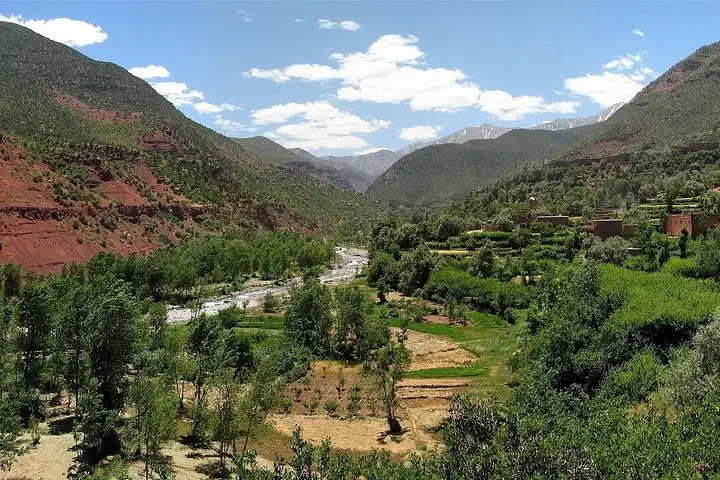
The road eases out of Marrakech across the Haouz plain and, within an hour and a half, you’re driving into a different light: olive-green terraces, low adobe houses, and a river that insists you slow down and look.
The road eases out of Marrakech across the Haouz plain and, within an hour and a half, you’re driving into a different light: olive-green terraces, low adobe houses, and a river that insists you slow down and look.
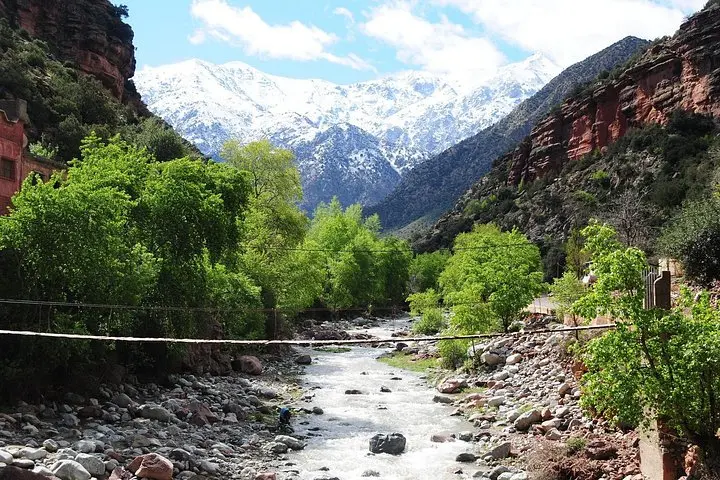
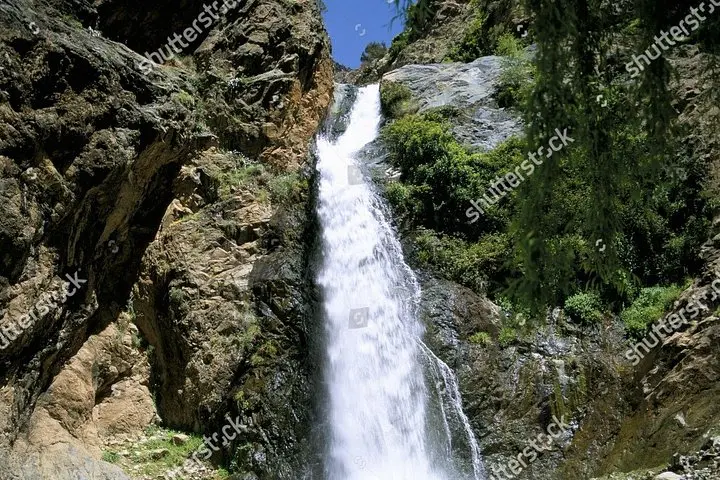
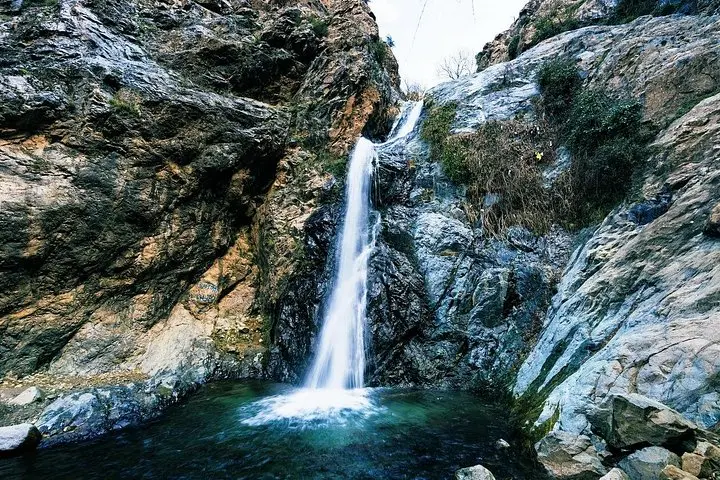
Setti Fatma sits at the bottom of the Ourika Valley, a wadi-carved corridor descending from the High Atlas. The mountains here are young, tectonically uplifted ranges of shale and limestone capped by older igneous intrusions; that geology channels winter runoff into cascades that become the seven waterfalls locals tout. Villages along the route — Tnine Ourika with its Monday souk, potters working at roadside stalls — keep a visible line to Berber craft and rural life. Lunch is often a communal pause: tajine cooked over wood fires beside the stream, bread torn and shared.
On the ground, expect short to moderate walks: well-trodden dirt tracks, occasional stone steps, and steeper, rocky sections as you climb toward upper falls. Individual waterfall hikes run 20–90 minutes round-trip; steeper sections can gain 200–400 m for the uppermost tiers. The valley’s microclimate brings cooler air and shade under poplars and olive trees, but sun exposure opens on ridgelines.
Practical notes: morning departures avoid heat and crowds; wear grippy shoes, carry at least 1–2 liters of water, and budget cash for local vendors and a tajine lunch. Respect private land and local customs — a smile and a quiet camera go far in the Ourika Valley.
Frequently asked questions
The drive typically takes about 90 minutes each way depending on traffic and photo stops along the Haouz plain.
No—most walks are short and suitable for moderate fitness; upper falls require steeper scrambling and more time.
Most day-trip options include a tajine lunch at a riverside restaurant, but confirm during booking to be sure.
Yes; trails are family-friendly though parents should supervise near water and on steeper sections.
About This Experience
Day Out Marrakech operates guided outdoor trips and adventures with an emphasis on safety, stewardship, and memorable experiences.
Adventure tips
Recommended gear
- Sturdy hiking shoes: Provides traction on uneven, rocky trails to the waterfalls.
- Water bottle (1–2 L): Hydration is important in the valley’s sun-exposed sections and during longer walks.
- Light rain shell: Spring showers or mountain gusts make a packable shell useful for unpredictable weather.
- Cash and small change: Needed for local vendors, tipping guides, and roadside purchases in villages.
Photos of the experience
Related adventures & guides
Read the full experience
The road eases out of Marrakech across the Haouz plain and, within an hour and a half, you’re driving into a different light: olive-green terraces, low adobe houses, and a river that insists you slow down and look.
The road eases out of Marrakech across the Haouz plain and, within an hour and a half, you’re driving into a different light: olive-green terraces, low adobe houses, and a river that insists you slow down and look.
Setti Fatma sits at the bottom of the Ourika Valley, a wadi-carved corridor descending from the High Atlas. The mountains here are young, tectonically uplifted ranges of shale and limestone capped by older igneous intrusions; that geology channels winter runoff into cascades that become the seven waterfalls locals tout. Villages along the route — Tnine Ourika with its Monday souk, potters working at roadside stalls — keep a visible line to Berber craft and rural life. Lunch is often a communal pause: tajine cooked over wood fires beside the stream, bread torn and shared.
On the ground, expect short to moderate walks: well-trodden dirt tracks, occasional stone steps, and steeper, rocky sections as you climb toward upper falls. Individual waterfall hikes run 20–90 minutes round-trip; steeper sections can gain 200–400 m for the uppermost tiers. The valley’s microclimate brings cooler air and shade under poplars and olive trees, but sun exposure opens on ridgelines.
Practical notes: morning departures avoid heat and crowds; wear grippy shoes, carry at least 1–2 liters of water, and budget cash for local vendors and a tajine lunch. Respect private land and local customs — a smile and a quiet camera go far in the Ourika Valley.
Make a day of it nearby.
Verified experiences and guided adventures in the surrounding area.