THE ADVENTURE COLLECTIVE® · Independent discovery and booking for outdoor travel

Drive into the Atlas foothills for a day of river canyons, Setti Fatma waterfalls and visits to Berber argan cooperatives. This accessible day trip pairs light hiking with cultural stops—ideal for travelers who want a quick Atlas escape from Marrakech.
Drive into the Atlas foothills for a day of river canyons, Setti Fatma waterfalls and visits to Berber argan cooperatives. This accessible day trip pairs light hiking with cultural stops—ideal for travelers who want a quick Atlas escape from Marrakech.
The road east from Marrakech narrows and rises into ochre hills; the Atlas Mountains lean in like an audible promise, and the Ourika River dares you to follow its riffled path. By midmorning the minivan drops you at the foot of Setti Fatma and the trail opens: shaded mule tracks, terraced plots, and the distant rush of waterfalls.
Verified experiences and guided adventures in the surrounding area.
Operated by Excursions Marrakech · Marrakech, Marrakech-Safi
The road east from Marrakech narrows and rises into ochre hills; the Atlas Mountains lean in like an audible promise, and the Ourika River dares you to follow its riffled path. By midmorning the minivan drops you at the foot of Setti Fatma and the trail opens: shaded mule tracks, terraced plots, and the distant rush of waterfalls.
This valley has long been shaped by Amazigh (Berber) communities who farm small plots, harvest argan and tend goats. Geologically the gorge is carved from schist and sandstone, creating steep-sided slots and pebble beaches where the river slows. Culture here is immediate—women’s cooperatives pressing argan oil by hand, family homes where tajines steam over charcoal, and a weekly souk (Souk Tnine-Ourika on Mondays and Fridays) that still operates on barter and familiar faces.
Expect a moderate hike: several short, stepped ascents to reach Setti Fatma’s cascades and viewpoints. The waterfalls are seasonal—full and loud in spring after snowmelt, gentler in late summer—yet always lively enough to cool a parched face. Local guides weave history and practical route-finding into the walk, and a riverside lunch of Berber tajine feels earned.
Practical edge: wear grippy shoes for wet rocks, bring 1–2 liters of water, and plan for an 8-hour round trip with hotel pickup. Respect private property, tip cooperatives if you buy argan, and time the market days if you want to see local trade. The Ourika is a short, invigorating escape from Marrakech that balances culture, light trekking, and landscape in a single day.
The tour is approximately 8 hours (about 480 minutes) and includes pickup and return to Marrakech hotels or riads in an air-conditioned vehicle.
No—moderate fitness is sufficient; expect short steep sections, uneven terrain, and a few flights of stone steps to reach the waterfalls.
Basic inclusions list a local guide and transportation; verify whether lunch or entrance fees are covered when booking as policies vary by provider.
Late winter to spring (after mountain snowmelt) offers the most dramatic flows; summer yields gentler cascades but warmer hiking conditions.
Excursions Marrakech operates guided outdoor trips and adventures with an emphasis on safety, stewardship, and memorable experiences.
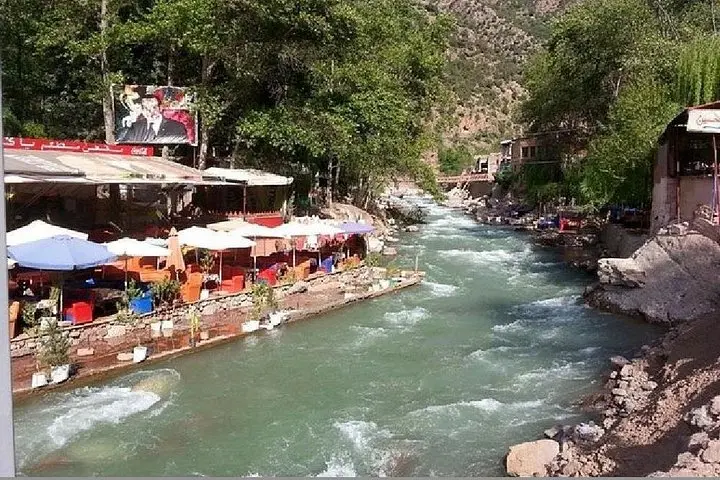
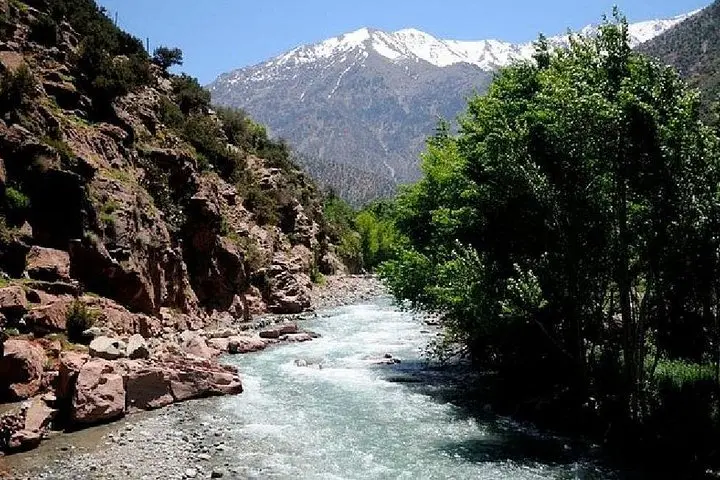
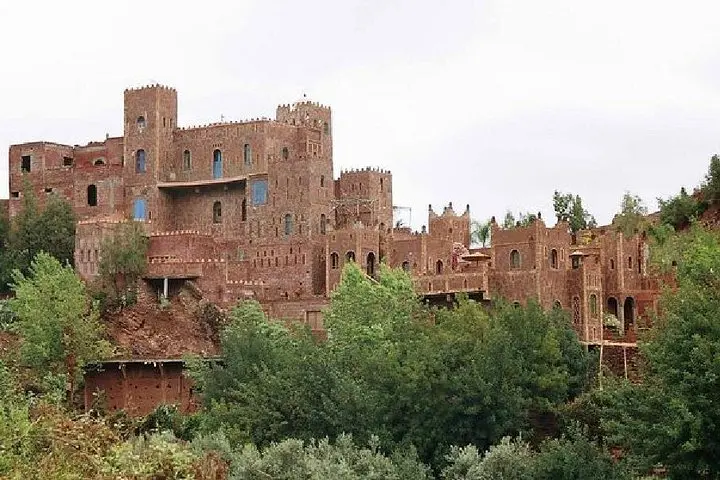
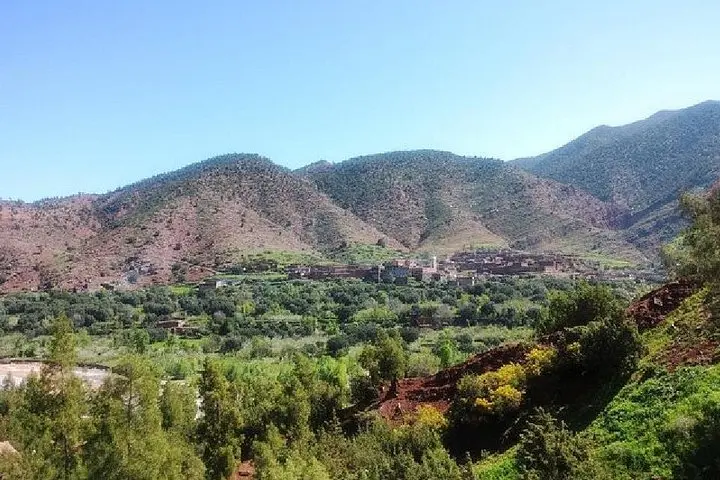
The road east from Marrakech narrows and rises into ochre hills; the Atlas Mountains lean in like an audible promise, and the Ourika River dares you to follow its riffled path. By midmorning the minivan drops you at the foot of Setti Fatma and the trail opens: shaded mule tracks, terraced plots, and the distant rush of waterfalls.
The road east from Marrakech narrows and rises into ochre hills; the Atlas Mountains lean in like an audible promise, and the Ourika River dares you to follow its riffled path. By midmorning the minivan drops you at the foot of Setti Fatma and the trail opens: shaded mule tracks, terraced plots, and the distant rush of waterfalls.
This valley has long been shaped by Amazigh (Berber) communities who farm small plots, harvest argan and tend goats. Geologically the gorge is carved from schist and sandstone, creating steep-sided slots and pebble beaches where the river slows. Culture here is immediate—women’s cooperatives pressing argan oil by hand, family homes where tajines steam over charcoal, and a weekly souk (Souk Tnine-Ourika on Mondays and Fridays) that still operates on barter and familiar faces.
Expect a moderate hike: several short, stepped ascents to reach Setti Fatma’s cascades and viewpoints. The waterfalls are seasonal—full and loud in spring after snowmelt, gentler in late summer—yet always lively enough to cool a parched face. Local guides weave history and practical route-finding into the walk, and a riverside lunch of Berber tajine feels earned.
Practical edge: wear grippy shoes for wet rocks, bring 1–2 liters of water, and plan for an 8-hour round trip with hotel pickup. Respect private property, tip cooperatives if you buy argan, and time the market days if you want to see local trade. The Ourika is a short, invigorating escape from Marrakech that balances culture, light trekking, and landscape in a single day.