THE ADVENTURE COLLECTIVE® · Independent discovery and booking for outdoor travel

A compact day away from Marrakech that combines short mountain hikes, visits to Berber homes and a women-run argan cooperative. Expect waterfall walks, riverside lunch and easy-to-moderate trails suited to most travelers.
A compact day away from Marrakech that combines short mountain hikes, visits to Berber homes and a women-run argan cooperative. Expect waterfall walks, riverside lunch and easy-to-moderate trails suited to most travelers.
You leave Marrakech behind as the road angles into the High Atlas foothills, and the air tilts cooler. Olives and argan trees edge the valley; the Ourika river threads silver through terraced fields while small stone houses cling to the lower slopes. By mid-morning the first waterfalls at Setti Fatma announce themselves—water daring you closer with each step.
Verified experiences and guided adventures in the surrounding area.
Operated by Marrakech Day Trips · Ourika, Marrakech-Safi
You leave Marrakech behind as the road angles into the High Atlas foothills, and the air tilts cooler. Olives and argan trees edge the valley; the Ourika river threads silver through terraced fields while small stone houses cling to the lower slopes. By mid-morning the first waterfalls at Setti Fatma announce themselves—water daring you closer with each step.
The Ourika Valley has long been a seasonal passage between Marrakech and the high atlas pastures. Geologically, the valley cuts through limestone and schist, carved by millennia of runoff that formed cascade steps and pebble strewn pools. Culturally, the area is steeped in Amazigh (Berber) life: women's argan cooperatives convert local fruits to oil, and families maintain traditional homes and crafts. Expect encounters with working villages rather than tourist facades.
Practical guidance: this is a full-day excursion (about seven hours) that mixes short guided walks to waterfalls with cultural stops. Trails are uneven and can be steep in sections—good walking shoes are essential. Carry water, sunscreen and small local currency for cooperative purchases or a riverside lunch. Peak water flow is in spring and after rains; summer brings hotter, drier stretches and more pronounced crowds.
Logistics are straightforward: most tours include pickup from Marrakech and return by late afternoon. A local guide will pace the hike and point out village life and argan production. For anyone wanting to extend, ask about longer treks higher in the Atlas or an overnight stay in a village guesthouse.
Most tours take about 45–75 minutes each way, depending on traffic and the exact meeting point in Marrakech.
Short sections are accessible to families and older travelers but expect uneven ground and some uphill stretches; tours typically adapt pace and distance.
Yes—most day trips include a stop at a women-run cooperative to see traditional argan oil production and purchase products.
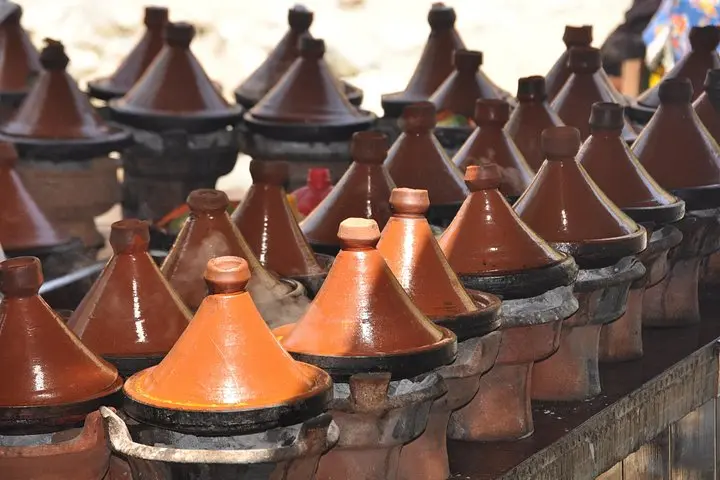
Lunch is usually included or arranged at a riverside restaurant, but bringing snacks is wise if you prefer to snack on the trail.
Marrakech Day Trips operates guided outdoor trips and adventures with an emphasis on safety, stewardship, and memorable experiences.
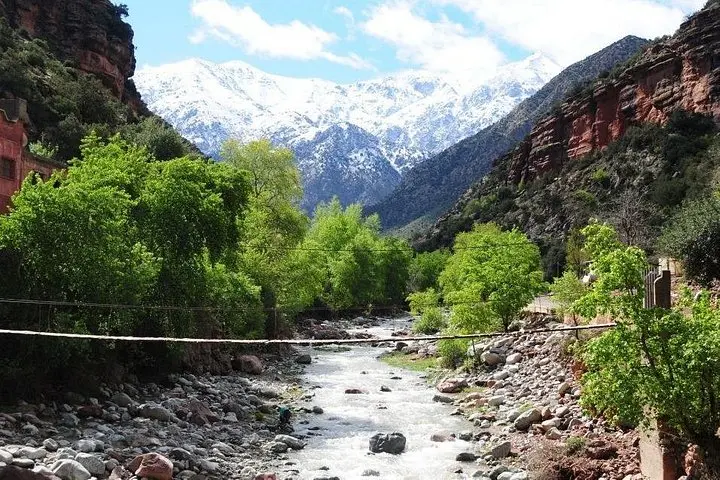
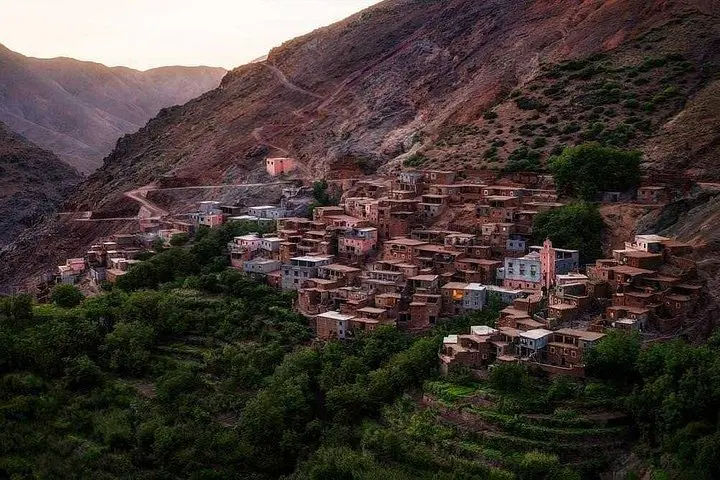
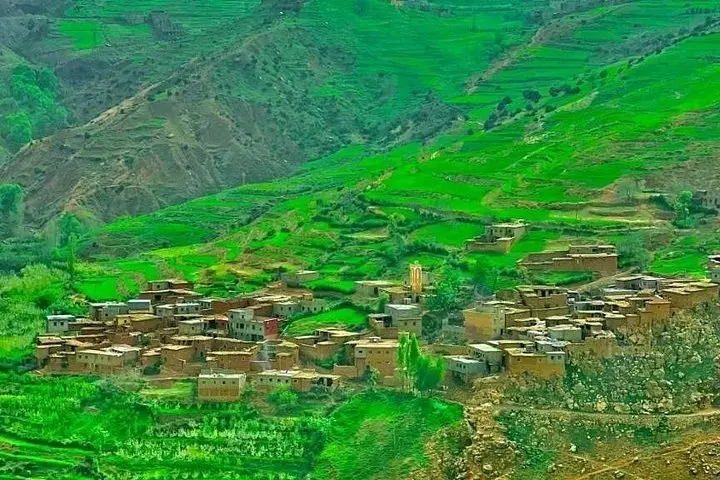
You leave Marrakech behind as the road angles into the High Atlas foothills, and the air tilts cooler. Olives and argan trees edge the valley; the Ourika river threads silver through terraced fields while small stone houses cling to the lower slopes. By mid-morning the first waterfalls at Setti Fatma announce themselves—water daring you closer with each step.
You leave Marrakech behind as the road angles into the High Atlas foothills, and the air tilts cooler. Olives and argan trees edge the valley; the Ourika river threads silver through terraced fields while small stone houses cling to the lower slopes. By mid-morning the first waterfalls at Setti Fatma announce themselves—water daring you closer with each step.
The Ourika Valley has long been a seasonal passage between Marrakech and the high atlas pastures. Geologically, the valley cuts through limestone and schist, carved by millennia of runoff that formed cascade steps and pebble strewn pools. Culturally, the area is steeped in Amazigh (Berber) life: women's argan cooperatives convert local fruits to oil, and families maintain traditional homes and crafts. Expect encounters with working villages rather than tourist facades.
Practical guidance: this is a full-day excursion (about seven hours) that mixes short guided walks to waterfalls with cultural stops. Trails are uneven and can be steep in sections—good walking shoes are essential. Carry water, sunscreen and small local currency for cooperative purchases or a riverside lunch. Peak water flow is in spring and after rains; summer brings hotter, drier stretches and more pronounced crowds.
Logistics are straightforward: most tours include pickup from Marrakech and return by late afternoon. A local guide will pace the hike and point out village life and argan production. For anyone wanting to extend, ask about longer treks higher in the Atlas or an overnight stay in a village guesthouse.