THE ADVENTURE COLLECTIVE® · Independent discovery and booking for outdoor travel

Escape Marrakech for a day in the High Atlas: trail up to seven waterfalls, meet Amazigh village life in Setti Fatma, and enjoy mountain views with a short, accessible hike. This full-day trip mixes light trekking, culture, and easy river access.
Escape Marrakech for a day in the High Atlas: trail up to seven waterfalls, meet Amazigh village life in Setti Fatma, and enjoy mountain views with a short, accessible hike. This full-day trip mixes light trekking, culture, and easy river access.
You step out of Marrakech's heat into a cooler valley air as the road bends south into the High Atlas foothills. Olive terraces and carob trees edge a narrow ribbon of asphalt; the Ourika River calls from below, and distant cliffs frame terraces and mud-brick hamlets. By mid-morning the village of Setti Fatma appears — the trailhead to a string of seven waterfalls where water cuts steps into rock and pools glint like mirrors.
Verified experiences and guided adventures in the surrounding area.
Operated by Medina of Marrakesh · Setti Fatma, Marrakesh-Safi
You step out of Marrakech's heat into a cooler valley air as the road bends south into the High Atlas foothills. Olive terraces and carob trees edge a narrow ribbon of asphalt; the Ourika River calls from below, and distant cliffs frame terraces and mud-brick hamlets. By mid-morning the village of Setti Fatma appears — the trailhead to a string of seven waterfalls where water cuts steps into rock and pools glint like mirrors.
The valley is shaped by recent uplift and erosion: soft sedimentary beds and harder volcanic outcrops create the falls and the steep valley walls. Local Amazigh (Berber) communities have farmed these slopes for generations; look for dry-stone terraces, goats, and small cooperatives selling argan oil and woven textiles. The route to the main cascades follows a roughly 1.5 km ascent (round-trip hiking commonly 3 km) with intermittent stone steps and uneven paths — expect about 150–300 m of elevation change depending on how far you go.
Practical details: this is a full-day outing from Marrakech (most visits take 8–10 hours including transfers). Wear sturdy walking shoes, bring at least 1–2 liters of water, and plan for sun or afternoon showers depending on season. Local guides can extend the day with homestays or higher valley treks.
Timing matters — visit early to avoid crowds and midday heat. Respect private land and local customs: ask before photographing people, and support village cooperatives. The Ourika day tour offers a mix of gentle hiking, cultural contact, and clear mountain water — a compact introduction to the Atlas landscape with practical rewards for minimal effort.
The popular route to the main cascades is about 1.5 km one-way with uneven steps — expect 3 km round-trip if you turn around at the main falls; some visitors continue higher for additional cascades.
Yes, locals often swim in lower pools when conditions are safe, but water can be cold and currents unpredictable; use judgment and avoid risky sections after heavy rain.
A guide is not strictly required for the basic waterfalls walk, but a local guide adds cultural context, safer route choices for higher hikes, and supports the community.
Most organized day tours include private transport; check your booking details. Public transport options exist but are less convenient for a full-day itinerary.
Medina of Marrakesh operates guided outdoor trips and adventures with an emphasis on safety, stewardship, and memorable experiences.
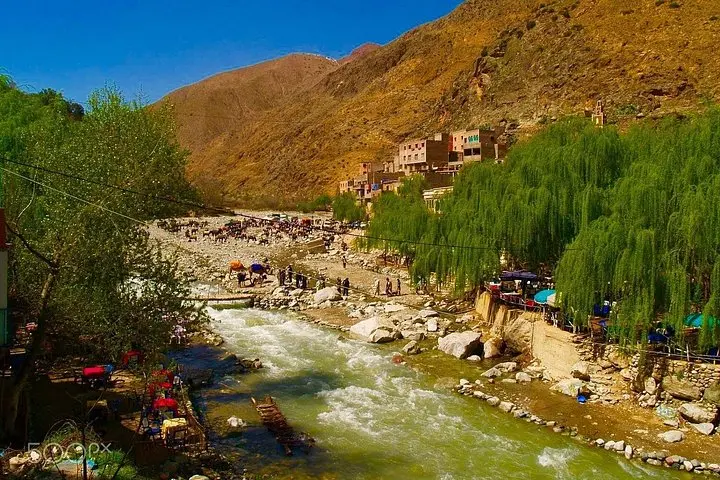
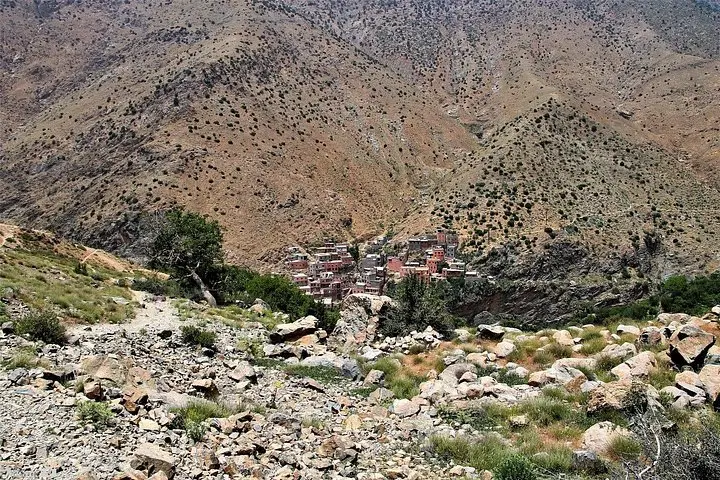
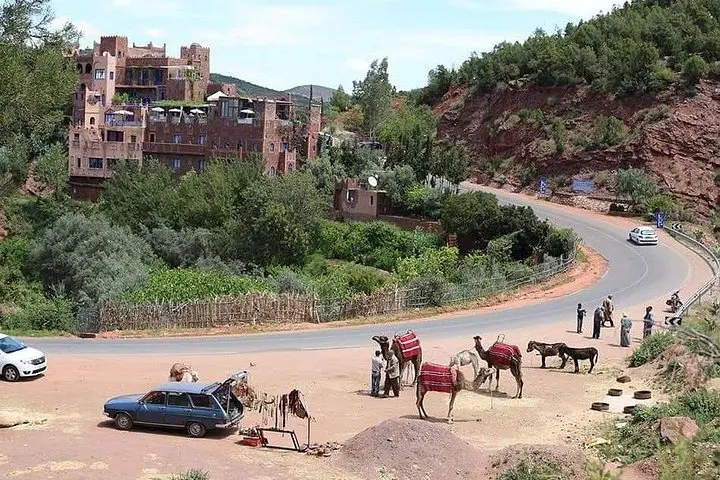
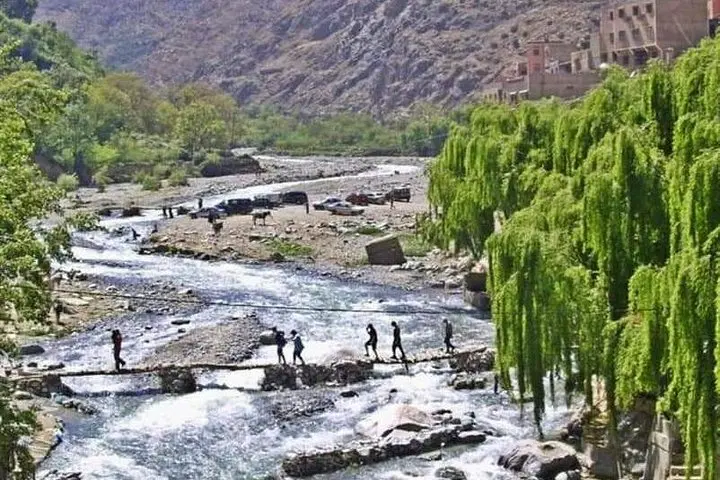
You step out of Marrakech's heat into a cooler valley air as the road bends south into the High Atlas foothills. Olive terraces and carob trees edge a narrow ribbon of asphalt; the Ourika River calls from below, and distant cliffs frame terraces and mud-brick hamlets. By mid-morning the village of Setti Fatma appears — the trailhead to a string of seven waterfalls where water cuts steps into rock and pools glint like mirrors.
You step out of Marrakech's heat into a cooler valley air as the road bends south into the High Atlas foothills. Olive terraces and carob trees edge a narrow ribbon of asphalt; the Ourika River calls from below, and distant cliffs frame terraces and mud-brick hamlets. By mid-morning the village of Setti Fatma appears — the trailhead to a string of seven waterfalls where water cuts steps into rock and pools glint like mirrors.
The valley is shaped by recent uplift and erosion: soft sedimentary beds and harder volcanic outcrops create the falls and the steep valley walls. Local Amazigh (Berber) communities have farmed these slopes for generations; look for dry-stone terraces, goats, and small cooperatives selling argan oil and woven textiles. The route to the main cascades follows a roughly 1.5 km ascent (round-trip hiking commonly 3 km) with intermittent stone steps and uneven paths — expect about 150–300 m of elevation change depending on how far you go.
Practical details: this is a full-day outing from Marrakech (most visits take 8–10 hours including transfers). Wear sturdy walking shoes, bring at least 1–2 liters of water, and plan for sun or afternoon showers depending on season. Local guides can extend the day with homestays or higher valley treks.
Timing matters — visit early to avoid crowds and midday heat. Respect private land and local customs: ask before photographing people, and support village cooperatives. The Ourika day tour offers a mix of gentle hiking, cultural contact, and clear mountain water — a compact introduction to the Atlas landscape with practical rewards for minimal effort.