THE ADVENTURE COLLECTIVE® · Independent discovery and booking for outdoor travel

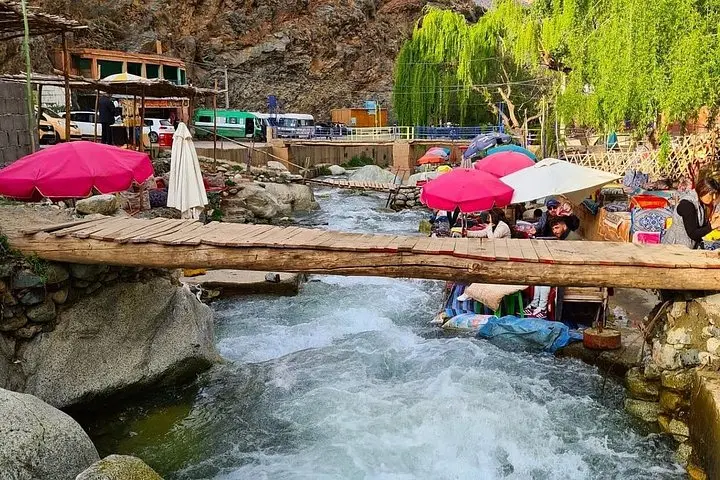
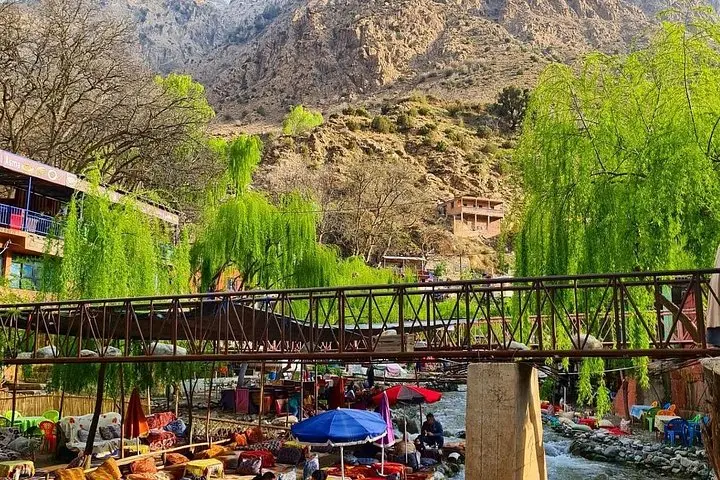
A day trip from Marrakech into the High Atlas that pairs easy mountain hiking with visits to Berber villages and argan cooperatives. Expect river-side lunches, stair-like stone paths to the Setti Fatma waterfalls, and a scenic 45–60 minute drive each way.
A day trip from Marrakech into the High Atlas that pairs easy mountain hiking with visits to Berber villages and argan cooperatives. Expect river-side lunches, stair-like stone paths to the Setti Fatma waterfalls, and a scenic 45–60 minute drive each way.
You leave Marrakech to the hum of the city and, within an hour, the road loosens into a ribbon of olive groves and scrub that climbs toward the High Atlas. The Ourika River threads the valley below—the water daring you to follow its sound—while roadside Berber villages squat on terraces, their stone houses catching late light.
Verified experiences and guided adventures in the surrounding area.
Operated by Ask for tour · Setti Fatma, Marrakesh-Safi
You leave Marrakech to the hum of the city and, within an hour, the road loosens into a ribbon of olive groves and scrub that climbs toward the High Atlas. The Ourika River threads the valley below—the water daring you to follow its sound—while roadside Berber villages squat on terraces, their stone houses catching late light.
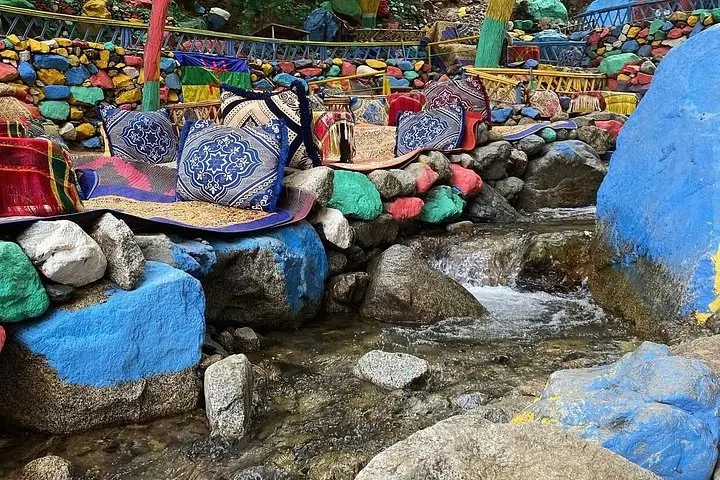
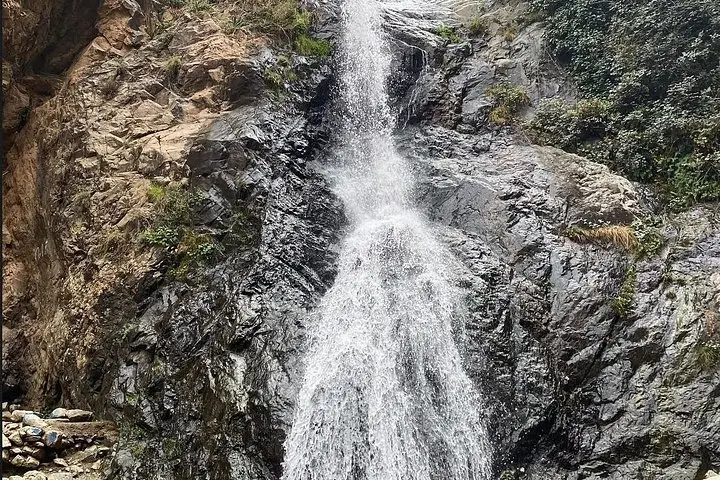
The valley is shaped by the Atlas’s uplifted, metamorphic bedrock and the steady work of seasonal streams; setti Fatma’s waterfalls step down a series of slabs and carved pools. The area has long been home to Amazigh (Berber) communities; women’s cooperatives extract argan oil here and hospitality centers on mint tea and shared lunches by the river. Expect a short guided hike from the village of Setti Fatma: uneven stone steps, occasional river crossings, and options to climb to one or several cascades. Distances are modest—plan for 1–2 hours of hiking with up to ~200–300 m of cumulative ascent if you push to higher falls.
Practically, the trip is a full day (about 9 hours including transit), best started early to avoid midday heat and crowds. Wear grippy shoes for wet rock, bring 1–2 liters of water, and pack sun protection; river-side shade is welcome but limited on exposed sections. Support local co-ops when you can and keep plastic out of the river—this valley’s character depends on clean water and resilient communities. Whether you want a gentle riverside lunch or a spirited scramble up the steps, the Ourika Valley delivers approachable mountain scenery with clear cultural context.
Expect about 45–60 minutes each way depending on traffic and your exact pickup point in Marrakech.
No technical climbing is required, but trails include stone steps and slippery sections—good balance and firm shoes are recommended.
A riverside lunch is typically included on the tour; dietary requests should be noted at booking.
Families are welcome, but the waterfall paths are not stroller-friendly; some operators provide infant seats in the vehicle for the road transfer.
Ask for tour operates guided outdoor trips and adventures with an emphasis on safety, stewardship, and memorable experiences.
You leave Marrakech to the hum of the city and, within an hour, the road loosens into a ribbon of olive groves and scrub that climbs toward the High Atlas. The Ourika River threads the valley below—the water daring you to follow its sound—while roadside Berber villages squat on terraces, their stone houses catching late light.
You leave Marrakech to the hum of the city and, within an hour, the road loosens into a ribbon of olive groves and scrub that climbs toward the High Atlas. The Ourika River threads the valley below—the water daring you to follow its sound—while roadside Berber villages squat on terraces, their stone houses catching late light.
The valley is shaped by the Atlas’s uplifted, metamorphic bedrock and the steady work of seasonal streams; setti Fatma’s waterfalls step down a series of slabs and carved pools. The area has long been home to Amazigh (Berber) communities; women’s cooperatives extract argan oil here and hospitality centers on mint tea and shared lunches by the river. Expect a short guided hike from the village of Setti Fatma: uneven stone steps, occasional river crossings, and options to climb to one or several cascades. Distances are modest—plan for 1–2 hours of hiking with up to ~200–300 m of cumulative ascent if you push to higher falls.
Practically, the trip is a full day (about 9 hours including transit), best started early to avoid midday heat and crowds. Wear grippy shoes for wet rock, bring 1–2 liters of water, and pack sun protection; river-side shade is welcome but limited on exposed sections. Support local co-ops when you can and keep plastic out of the river—this valley’s character depends on clean water and resilient communities. Whether you want a gentle riverside lunch or a spirited scramble up the steps, the Ourika Valley delivers approachable mountain scenery with clear cultural context.