THE ADVENTURE COLLECTIVE® · Independent discovery and booking for outdoor travel

Follow the Ourika River up into the High Atlas on a day trip from Marrakech. Hike to the first waterfalls, visit Berber villages and argan cooperatives, and enjoy mountain views with practical, small-group guidance.
Follow the Ourika River up into the High Atlas on a day trip from Marrakech. Hike to the first waterfalls, visit Berber villages and argan cooperatives, and enjoy mountain views with practical, small-group guidance.
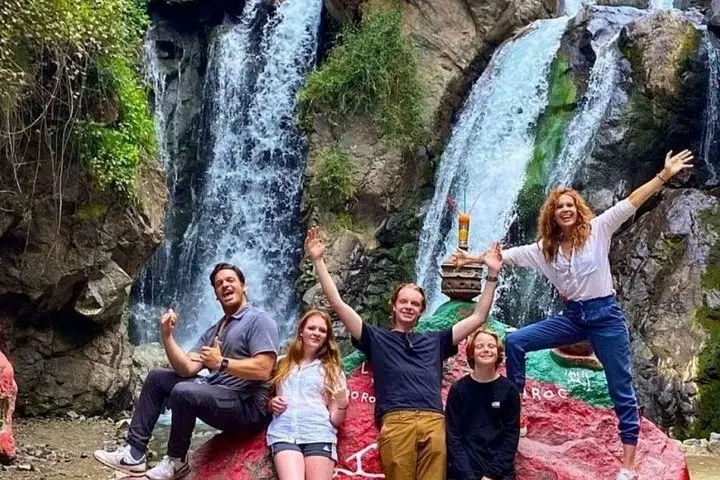
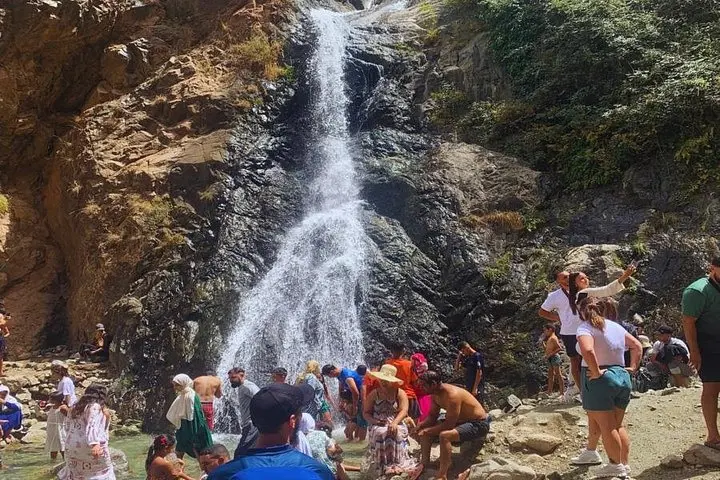
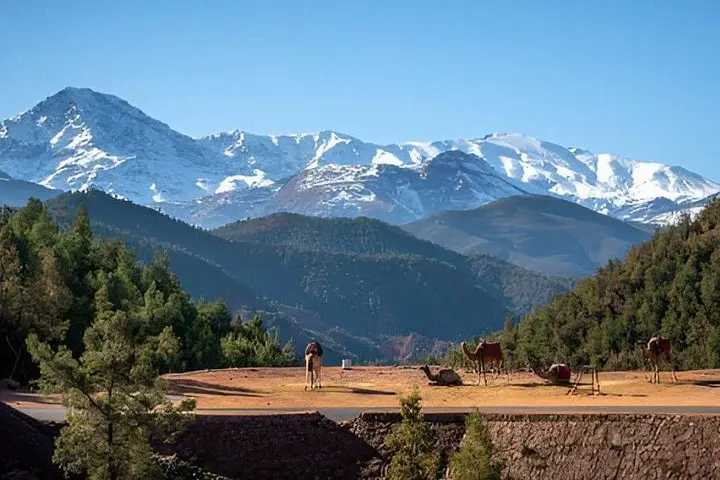
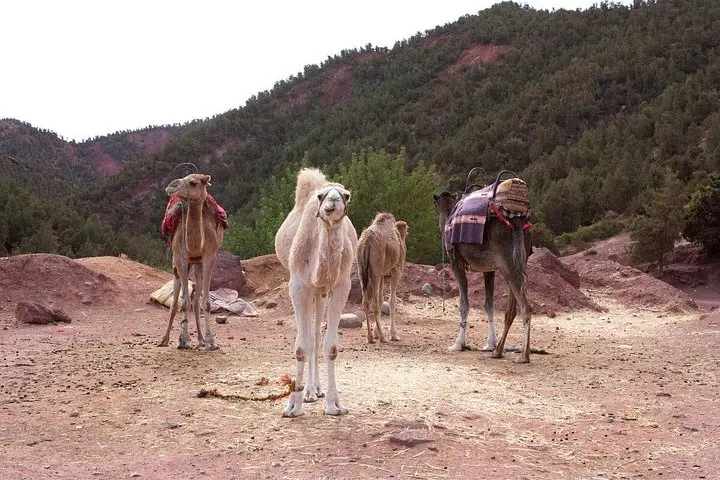
The bus leaves Marrakech behind and the city’s heat thins as the road climbs toward the High Atlas. Olive groves and terraced fields slide past the windows, and the Ourika River begins its steady chatter, daring you to follow it upstream. By the time you step into Setti Fatma, the air smells of wet stone and thyme; local guides point out a network of paths that lead to the first of seven waterfalls—rocky steps, river crossings, and shaded mule tracks that reward every switchback with cooler air and wider views.
Verified experiences and guided adventures in the surrounding area.
Operated by City Tours Sahara · Setti Fatma (Ourika Valley), Marrakech-Safi
The bus leaves Marrakech behind and the city’s heat thins as the road climbs toward the High Atlas. Olive groves and terraced fields slide past the windows, and the Ourika River begins its steady chatter, daring you to follow it upstream. By the time you step into Setti Fatma, the air smells of wet stone and thyme; local guides point out a network of paths that lead to the first of seven waterfalls—rocky steps, river crossings, and shaded mule tracks that reward every switchback with cooler air and wider views.
This valley has long been shaped by Berber agriculture and mountain geology: schist and limestone carved by winter runoff create pools and stepped falls, while centuries of human presence produced irrigated terraces and small artisans’ clusters. Local argan cooperatives and village souks keep traditional crafts alive, and the weekly market at Tnine Ourika remains a living exchange of produce, pottery and stories.
Practically, expect uneven trails and sharp sunny stretches. The accessible waterfall is a 30–60 minute walk from the village; reaching higher cascades adds steeper, rockier sections. Wear sturdy shoes, carry water, and bring cash for village cafés and cooperative products. Mornings are cooler and less crowded—ideal for photos and quieter trails. Respect local customs in villages, avoid leaving litter, and give wildlife space—macaques and birds patrol these slopes.
An eight-hour day trip blends easy hiking, cultural stops, and scenic drives: it’s a compact way to experience Atlas mountain life without a multi-day trek.
Most operators run a full-day itinerary of about 8 hours including drive time; the valley sits roughly 30–70 km from Marrakech depending on the stops.
The main waterfall is accessible for families with children and active older travelers, but reaching upper cascades requires steadier footing and some climbing over rocks.
Yes—typical day trips include stops at cooperatives and small villages for demonstrations, tea and local food, though time at each stop is limited.
Most tours include round-trip transportation from Marrakech and a local guide who speaks English or French; confirm pickup details when booking.
City Tours Sahara operates guided outdoor trips and adventures with an emphasis on safety, stewardship, and memorable experiences.
The bus leaves Marrakech behind and the city’s heat thins as the road climbs toward the High Atlas. Olive groves and terraced fields slide past the windows, and the Ourika River begins its steady chatter, daring you to follow it upstream. By the time you step into Setti Fatma, the air smells of wet stone and thyme; local guides point out a network of paths that lead to the first of seven waterfalls—rocky steps, river crossings, and shaded mule tracks that reward every switchback with cooler air and wider views.
The bus leaves Marrakech behind and the city’s heat thins as the road climbs toward the High Atlas. Olive groves and terraced fields slide past the windows, and the Ourika River begins its steady chatter, daring you to follow it upstream. By the time you step into Setti Fatma, the air smells of wet stone and thyme; local guides point out a network of paths that lead to the first of seven waterfalls—rocky steps, river crossings, and shaded mule tracks that reward every switchback with cooler air and wider views.
This valley has long been shaped by Berber agriculture and mountain geology: schist and limestone carved by winter runoff create pools and stepped falls, while centuries of human presence produced irrigated terraces and small artisans’ clusters. Local argan cooperatives and village souks keep traditional crafts alive, and the weekly market at Tnine Ourika remains a living exchange of produce, pottery and stories.
Practically, expect uneven trails and sharp sunny stretches. The accessible waterfall is a 30–60 minute walk from the village; reaching higher cascades adds steeper, rockier sections. Wear sturdy shoes, carry water, and bring cash for village cafés and cooperative products. Mornings are cooler and less crowded—ideal for photos and quieter trails. Respect local customs in villages, avoid leaving litter, and give wildlife space—macaques and birds patrol these slopes.
An eight-hour day trip blends easy hiking, cultural stops, and scenic drives: it’s a compact way to experience Atlas mountain life without a multi-day trek.