THE ADVENTURE COLLECTIVE® · Independent discovery and booking for outdoor travel

Escape Marrakech for a day in the High Atlas where waterfalls, Berber villages and rotating weekly markets create a compact, scenic adventure. This 6–8 hour trip blends easy walks with optional steeper climbs to upper cascades—perfect for travelers who want nature without a multi-day commitment.
Escape Marrakech for a day in the High Atlas where waterfalls, Berber villages and rotating weekly markets create a compact, scenic adventure. This 6–8 hour trip blends easy walks with optional steeper climbs to upper cascades—perfect for travelers who want nature without a multi-day commitment.
You leave Marrakech behind and the light changes: ochre city walls blur into olive groves, then the road climbs, giving way to jagged Atlas ridges and a river that dares you to follow it upriver.
Verified experiences and guided adventures in the surrounding area.
Operated by Merzouga desert experience · Ourika Valley, Marrakesh-Safi
You leave Marrakech behind and the light changes: ochre city walls blur into olive groves, then the road climbs, giving way to jagged Atlas ridges and a river that dares you to follow it upriver.
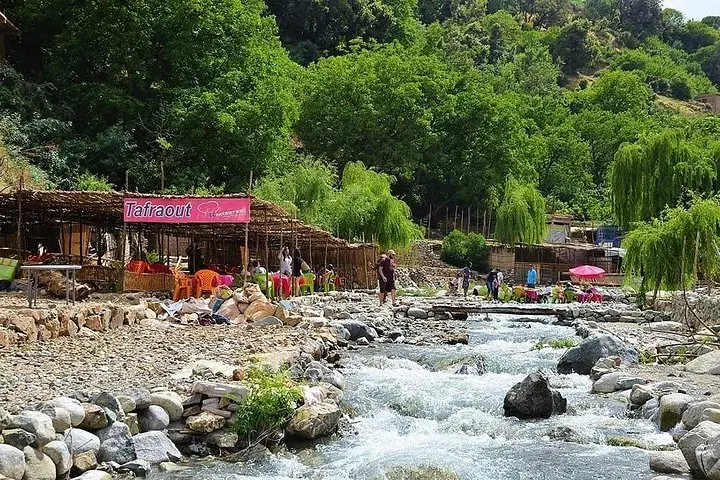
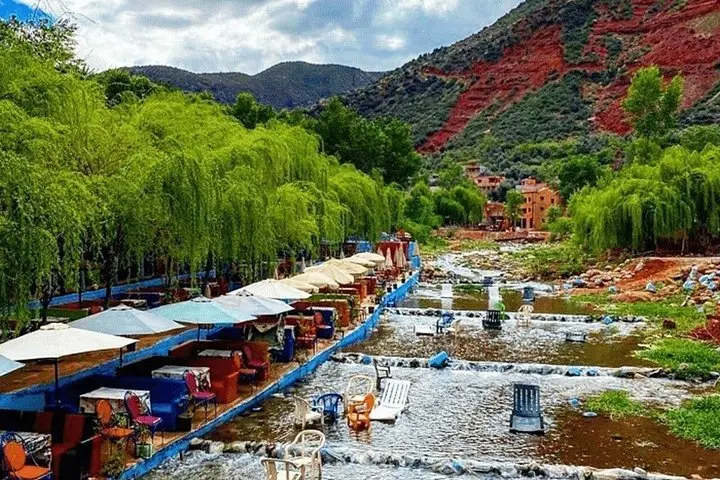
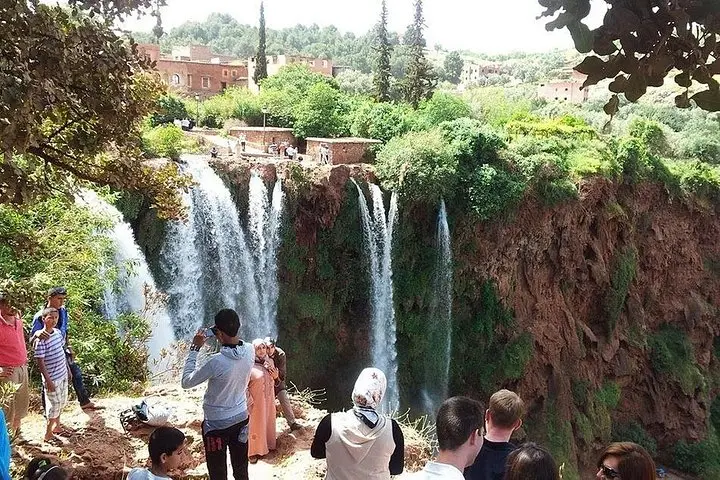
The Ourika Valley unfolds across folded volcanic and sedimentary slopes carved by seasonal torrents. Small Berber villages cling to terraces where generations have grown almonds and olives; the valley’s weekly souks still mark the rhythm of rural life. Geologically, the High Atlas here is younger and steeper than the surrounding plains, producing waterfalls that tumble over hard rock ledges into cold plunge pools.
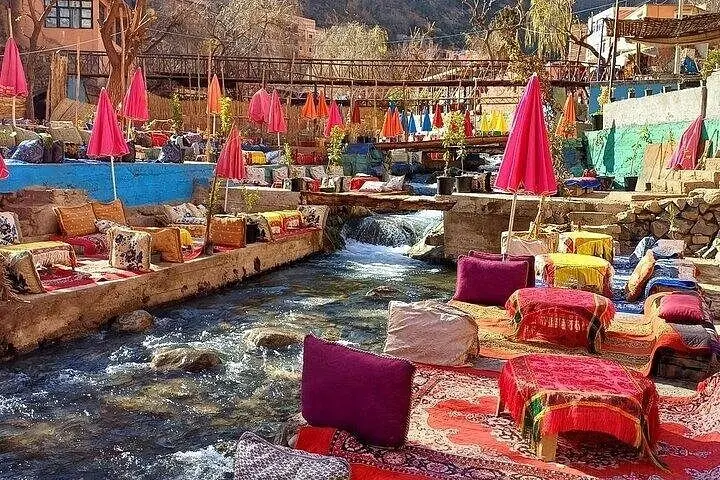
Culturally the valley is shaped by Amazigh (Berber) traditions — tea served in low glasses, handwoven textiles sold at market stalls, and stone houses with flat roofs. Midweek markets in nearby villages rotate by day and are a practical way to encounter local produce and crafts without the tourist crowd.
Practically, a typical day trip is 6–8 hours with windows for short walks: the lower cascade is an easy 20–30 minute approach, while higher falls require a steeper, rocky scramble and sturdy shoes. Expect uneven terrain, occasional loose scree, and fast mountain water; swimming is possible but the currents are cold and swift. Bring layered clothing, sun protection, and refillable water; mornings are cooler and views sharpen as the sun lifts.
Plan for a flexible itinerary—markets are day-specific, and weather can make higher trails slick. A guided driver handles logistics, leaving you to read the landscape, sip mint tea, and step into the valley’s slower pace.
Most day-trip operators include hotel pickup and drop-off in Marrakech; confirm your pickup point when you book.
Yes, at the lower pools some people swim, but the water is cold and currents can be strong—exercise caution and avoid risky spots.
The lower falls are accessible to most ages with moderate walking; the higher cascades require a steeper scramble and are not recommended for those with mobility issues.
Markets rotate by village: Ourika on Monday, Asni on Saturday, Aghbalou on Thursday and Tahanaout on Tuesday—check the schedule when planning your visit.
Merzouga desert experience operates guided outdoor trips and adventures with an emphasis on safety, stewardship, and memorable experiences.
You leave Marrakech behind and the light changes: ochre city walls blur into olive groves, then the road climbs, giving way to jagged Atlas ridges and a river that dares you to follow it upriver.
You leave Marrakech behind and the light changes: ochre city walls blur into olive groves, then the road climbs, giving way to jagged Atlas ridges and a river that dares you to follow it upriver.
The Ourika Valley unfolds across folded volcanic and sedimentary slopes carved by seasonal torrents. Small Berber villages cling to terraces where generations have grown almonds and olives; the valley’s weekly souks still mark the rhythm of rural life. Geologically, the High Atlas here is younger and steeper than the surrounding plains, producing waterfalls that tumble over hard rock ledges into cold plunge pools.
Culturally the valley is shaped by Amazigh (Berber) traditions — tea served in low glasses, handwoven textiles sold at market stalls, and stone houses with flat roofs. Midweek markets in nearby villages rotate by day and are a practical way to encounter local produce and crafts without the tourist crowd.
Practically, a typical day trip is 6–8 hours with windows for short walks: the lower cascade is an easy 20–30 minute approach, while higher falls require a steeper, rocky scramble and sturdy shoes. Expect uneven terrain, occasional loose scree, and fast mountain water; swimming is possible but the currents are cold and swift. Bring layered clothing, sun protection, and refillable water; mornings are cooler and views sharpen as the sun lifts.
Plan for a flexible itinerary—markets are day-specific, and weather can make higher trails slick. A guided driver handles logistics, leaving you to read the landscape, sip mint tea, and step into the valley’s slower pace.