THE ADVENTURE COLLECTIVE® · Independent discovery and booking for outdoor travel

Escape Marrakech for a day into the Ourika Valley: short hikes, cascading waterfalls, hands-on argan cooperatives and a mountain lunch. Practical tips and local insights to plan a smooth seven‑to‑eight‑hour outing.
Escape Marrakech for a day into the Ourika Valley: short hikes, cascading waterfalls, hands-on argan cooperatives and a mountain lunch. Practical tips and local insights to plan a smooth seven‑to‑eight‑hour outing.
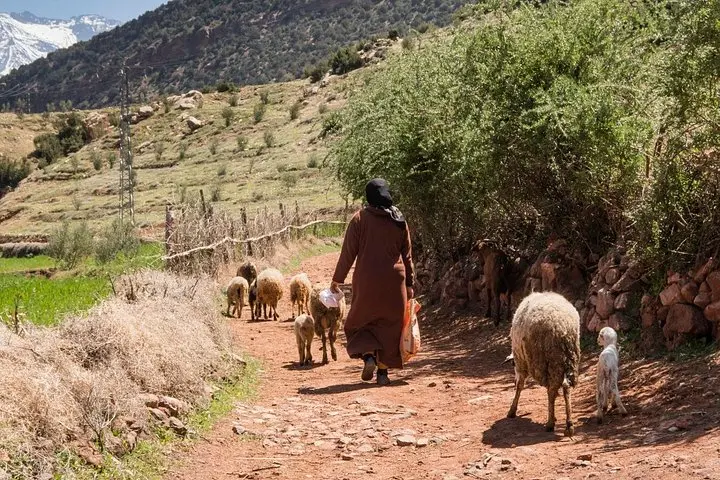
You step out of Marrakech’s bustle and into the cool, pine-scented slope of the Ourika Valley—an hour’s drive that unfolds olive terraces, argan groves and stone Berber houses stacked against the lower Atlas. The river threads the valley, daring you toward a series of waterfalls whose spray brightens the canyon air and polishes the rock to a dark, wet sheen.
Verified experiences and guided adventures in the surrounding area.
Operated by Morocco First Gate · Ourika, Marrakech-Safi
You step out of Marrakech’s bustle and into the cool, pine-scented slope of the Ourika Valley—an hour’s drive that unfolds olive terraces, argan groves and stone Berber houses stacked against the lower Atlas. The river threads the valley, daring you toward a series of waterfalls whose spray brightens the canyon air and polishes the rock to a dark, wet sheen.
This landscape sits on the northern foothills of the High Atlas, formed by tectonic uplift and erosion that carved steep, narrow ravines and created seasonal cascades. The region has long been home to Tamazight-speaking Berber communities; cooperative argan presses and small farms still anchor daily life and offer a living link to traditional craft and cuisine.
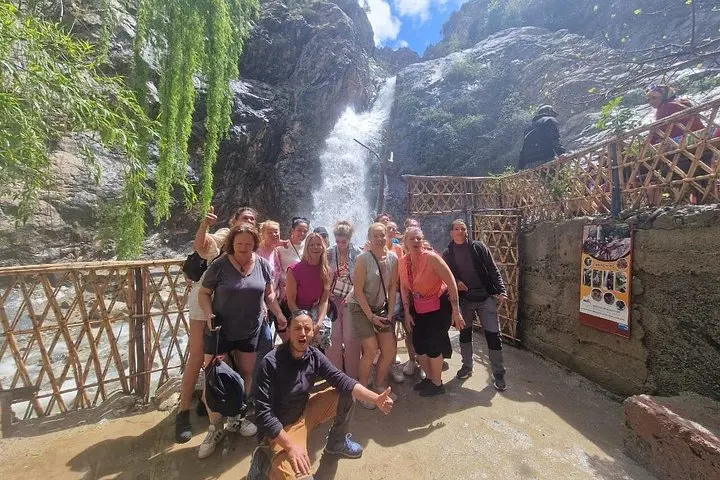
On a typical day trip you’ll visit local cooperatives to see argan oil pressed by hand, walk short trails from village lanes to viewpoints, and reach the main falls where wooden steps and paths lead to multiple drops. Expect packed-earth trails, uneven stone steps and occasional muddy sections after rain; elevation change is moderate, with short, steep sections rather than long climbs.
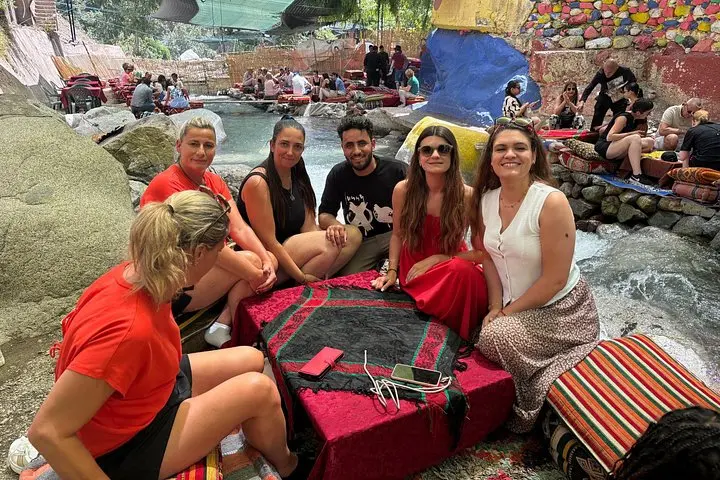
Practical guide: plan for a 7–8 hour outing from Marrakech with airport-style pickup, carry 1–2 liters of water, sun protection and sturdy shoes. Timing matters—arrive mid-morning to avoid the busiest windows, and bring small cash for cooperative purchases and teahouse snacks. The valley rewards steady pacing: walk, listen to the river pushing forward, then pause for a simple lunch with mountain views.
The valley is about 45–75 minutes from central Marrakech depending on traffic and your exact drop‑off point—plan for a 7–8 hour round trip tour.
Hikes are short and of moderate effort with stone steps and some steep segments; they are generally suitable for most visitors who can handle short uphill sections.
Yes—many tours stop at local cooperatives where you can observe oil pressing and purchase small bottles; bring cash in Moroccan dirhams for these purchases.
Yes—operators typically list the outing as suitable for all fitness levels; infant seats and short, guided hikes make it feasible for families with children.
Morocco First Gate operates guided outdoor trips and adventures with an emphasis on safety, stewardship, and memorable experiences.
You step out of Marrakech’s bustle and into the cool, pine-scented slope of the Ourika Valley—an hour’s drive that unfolds olive terraces, argan groves and stone Berber houses stacked against the lower Atlas. The river threads the valley, daring you toward a series of waterfalls whose spray brightens the canyon air and polishes the rock to a dark, wet sheen.
You step out of Marrakech’s bustle and into the cool, pine-scented slope of the Ourika Valley—an hour’s drive that unfolds olive terraces, argan groves and stone Berber houses stacked against the lower Atlas. The river threads the valley, daring you toward a series of waterfalls whose spray brightens the canyon air and polishes the rock to a dark, wet sheen.
This landscape sits on the northern foothills of the High Atlas, formed by tectonic uplift and erosion that carved steep, narrow ravines and created seasonal cascades. The region has long been home to Tamazight-speaking Berber communities; cooperative argan presses and small farms still anchor daily life and offer a living link to traditional craft and cuisine.
On a typical day trip you’ll visit local cooperatives to see argan oil pressed by hand, walk short trails from village lanes to viewpoints, and reach the main falls where wooden steps and paths lead to multiple drops. Expect packed-earth trails, uneven stone steps and occasional muddy sections after rain; elevation change is moderate, with short, steep sections rather than long climbs.
Practical guide: plan for a 7–8 hour outing from Marrakech with airport-style pickup, carry 1–2 liters of water, sun protection and sturdy shoes. Timing matters—arrive mid-morning to avoid the busiest windows, and bring small cash for cooperative purchases and teahouse snacks. The valley rewards steady pacing: walk, listen to the river pushing forward, then pause for a simple lunch with mountain views.