
Ourika Valley Day Trip from Marrakech: Waterfalls, Berber Villages & High Atlas Views
Drive from Marrakech into the High Atlas for a day of river-side restaurants, village markets and an optional hike to Setti Fatma’s waterfalls. This one-day excursion combines scenic drives, light trekking and cultural visits to Berber homes.
An Adventure In Marrakech.
Drive from Marrakech into the High Atlas for a day of river-side restaurants, village markets and an optional hike to Setti Fatma’s waterfalls. This one-day excursion combines scenic drives, light trekking and cultural visits to Berber homes.
Read the full experience
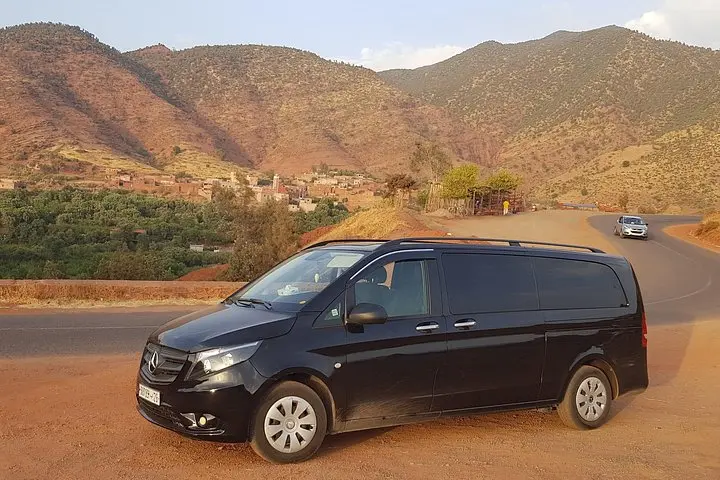
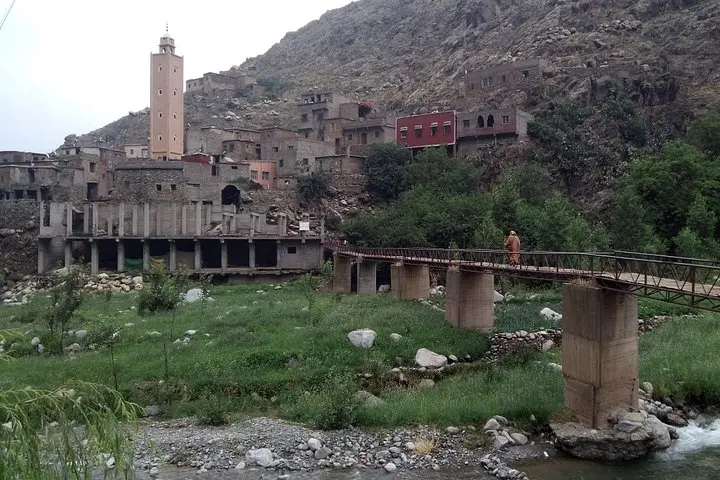
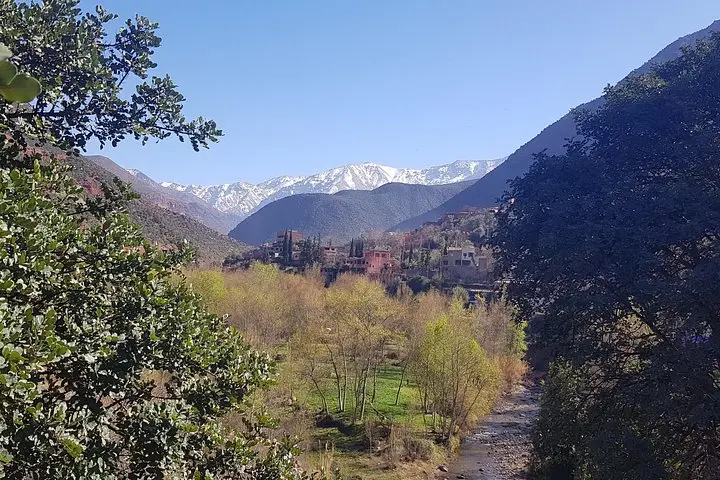
The road out of Marrakech tightens into hairpin turns and the air cools as the High Atlas rises ahead. Olive groves and terraced fields slide by the window while the Ourika River runs low and quick, daring you to step closer. By midmorning the group disembarks in a mountain village where chickens scratch and a Berber woman offers steaming mint tea.
The road out of Marrakech tightens into hairpin turns and the air cools as the High Atlas rises ahead. Olive groves and terraced fields slide by the window while the Ourika River runs low and quick, daring you to step closer. By midmorning the group disembarks in a mountain village where chickens scratch and a Berber woman offers steaming mint tea.
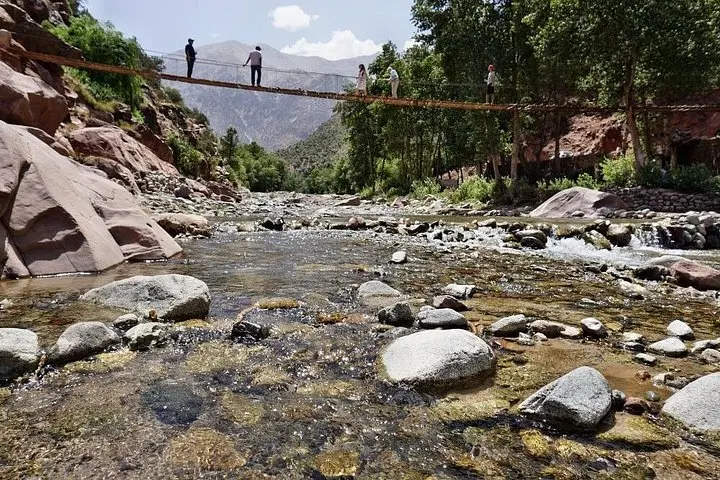
Geology here is visible at a glance: folded, uplifted strata and exposed schists and granites that mark the Atlas’s tectonic history. The valley has long been shaped by seasonal water flow—small waterfalls swell in winter-spring runoff, carving pools beneath sculpted rock. Culturally the area is Amazigh (Berber) country; local markets sell handwoven textiles, argan oil and simple foods, and a short visit to a family house shows traditional daily life.
Practical guide: most itineraries include several short stops, a free hour in the main valley, and an optional 1–2 hour walk to Setti Fatma’s waterfalls. Expect uneven stone paths and a few steep pitches on the waterfall trail—elevation gain is moderate but steps can be slippery after rain. Travel time from Marrakech is roughly 45–75 minutes each way depending on traffic, and the full excursion runs about eight hours.
Pack sturdy shoes, sun protection and cash for small purchases. Early departures avoid heat and crowds; afternoons bring more people at the popular cascades. The trip suits travelers seeking a mix of scenery, light hiking and cultural encounters without overnight logistics.
Frequently asked questions
Drive time is typically 45–75 minutes each way depending on traffic and your exact pickup point in Marrakech.
The path to Setti Fatma involves uneven stone steps and short steep sections; it is moderate and can take 1–2 hours round trip depending on pace.
Yes—infant seats and stroller access are sometimes possible, but families should expect some uneven terrain on village paths and the waterfall trail.
Bottled water is usually included; meals are typically not included so plan to buy lunch at a riverside restaurant or bring snacks.
About This Experience
Go Morocco Travel operates guided outdoor trips and adventures with an emphasis on safety, stewardship, and memorable experiences.
Adventure tips
Recommended gear
- Sturdy hiking shoes: Provides grip on rocky, wet trails to the waterfalls.
- Sun hat and sunscreen: Protects from strong sun during drives and valley walks.
- Reusable water bottle: Staying hydrated is important in warm weather and at altitude.
- Small daypack: Carries snacks, camera, layers and purchases from local markets.
Photos of the experience
Related adventures & guides
Read the full experience
The road out of Marrakech tightens into hairpin turns and the air cools as the High Atlas rises ahead. Olive groves and terraced fields slide by the window while the Ourika River runs low and quick, daring you to step closer. By midmorning the group disembarks in a mountain village where chickens scratch and a Berber woman offers steaming mint tea.
The road out of Marrakech tightens into hairpin turns and the air cools as the High Atlas rises ahead. Olive groves and terraced fields slide by the window while the Ourika River runs low and quick, daring you to step closer. By midmorning the group disembarks in a mountain village where chickens scratch and a Berber woman offers steaming mint tea.
Geology here is visible at a glance: folded, uplifted strata and exposed schists and granites that mark the Atlas’s tectonic history. The valley has long been shaped by seasonal water flow—small waterfalls swell in winter-spring runoff, carving pools beneath sculpted rock. Culturally the area is Amazigh (Berber) country; local markets sell handwoven textiles, argan oil and simple foods, and a short visit to a family house shows traditional daily life.
Practical guide: most itineraries include several short stops, a free hour in the main valley, and an optional 1–2 hour walk to Setti Fatma’s waterfalls. Expect uneven stone paths and a few steep pitches on the waterfall trail—elevation gain is moderate but steps can be slippery after rain. Travel time from Marrakech is roughly 45–75 minutes each way depending on traffic, and the full excursion runs about eight hours.
Pack sturdy shoes, sun protection and cash for small purchases. Early departures avoid heat and crowds; afternoons bring more people at the popular cascades. The trip suits travelers seeking a mix of scenery, light hiking and cultural encounters without overnight logistics.
Make a day of it nearby.
Verified experiences and guided adventures in the surrounding area.