THE ADVENTURE COLLECTIVE® · Independent discovery and booking for outdoor travel

A quick escape from Marrakech into the cool, terraced arms of the High Atlas. Hike to Setti Fatma’s waterfalls, visit an argan cooperative and meet local Amazigh families on an easy, culture-rich day trip.
A quick escape from Marrakech into the cool, terraced arms of the High Atlas. Hike to Setti Fatma’s waterfalls, visit an argan cooperative and meet local Amazigh families on an easy, culture-rich day trip.
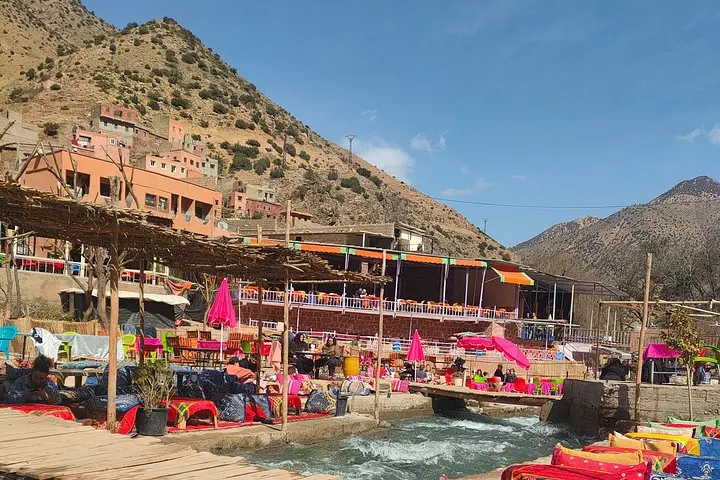
Depart Marrakech and the road immediately begins to climb; by the time the first Atlas peaks fill the windshield the air has a different weight—cooler, drier, fragrant with thyme and argan. The Ourika Valley opens like a cut in the mountains, a ribbon of river, terraces and stone villages. In Setti Fatma the path threads upward past small gardens to a series of cascades: water that keeps pulling you higher, over carved steps and through pockets of cedar and olive.
Verified experiences and guided adventures in the surrounding area.
Operated by Atlas Trek Experience · Setti Fatma, Marrakech-Safi
Depart Marrakech and the road immediately begins to climb; by the time the first Atlas peaks fill the windshield the air has a different weight—cooler, drier, fragrant with thyme and argan. The Ourika Valley opens like a cut in the mountains, a ribbon of river, terraces and stone villages. In Setti Fatma the path threads upward past small gardens to a series of cascades: water that keeps pulling you higher, over carved steps and through pockets of cedar and olive.
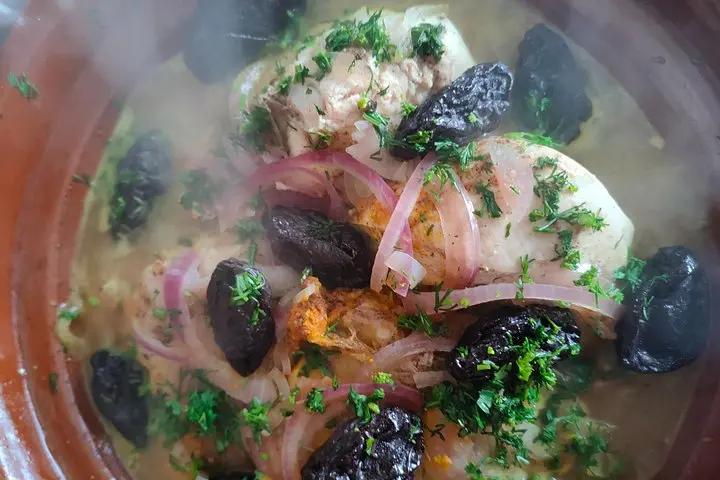
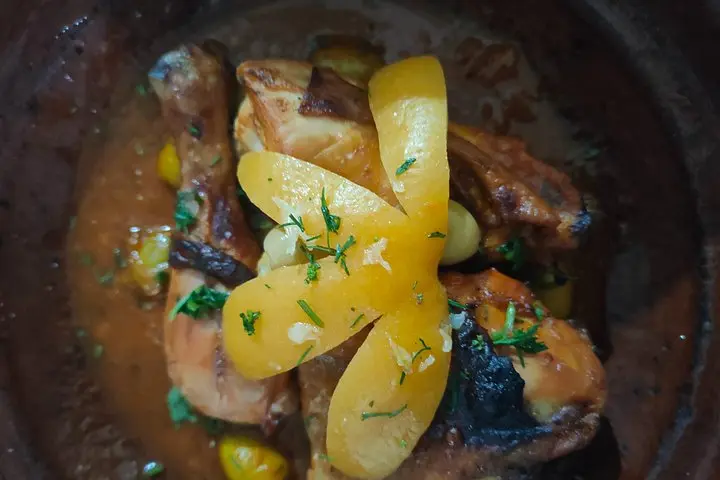
The valley is home to Amazigh (Berber) communities whose agricultural terraces and simple stone houses reflect centuries of living with steep terrain. Geologically the High Atlas is young and uplifted—granite and schist ridges flank narrow riverbeds—so expect steep slopes and fast-moving streams after rain. Cultural stops on a typical day include an argan oil cooperative where local women demonstrate traditional pressing and a riverside lunch of tagine and fresh salads.
Practically: the main waterfall trail from Setti Fatma is short but uneven—plan for 45–90 minutes round trip depending how high you climb; cumulative elevation gain can be a few hundred meters if you push beyond the first falls. Temperatures often drop up to 15°C from Marrakech, so pack layers. Wear sturdy shoes for rocky steps, carry water, and bring cash for cooperative purchases and tips. Respect private compounds, accept invitations to tea politely, and support responsible guides and women’s co-ops to keep tourism beneficial to the valley.
The drive is about 60–65 km and typically takes roughly two hours each way depending on traffic and your exact pickup point.
Yes—short sections are family-friendly, but watch children on steep or slippery steps and keep them close near river edges.
Yes—local cooperatives sell traditionally made argan oil; bring cash and compare prices to ensure fair purchases that support women’s groups.
A guide is not strictly required for the basic walk to the main cascades, but a local guide adds cultural context and helps navigate side trails and village visits.
Atlas Trek Experience operates guided outdoor trips and adventures with an emphasis on safety, stewardship, and memorable experiences.
Depart Marrakech and the road immediately begins to climb; by the time the first Atlas peaks fill the windshield the air has a different weight—cooler, drier, fragrant with thyme and argan. The Ourika Valley opens like a cut in the mountains, a ribbon of river, terraces and stone villages. In Setti Fatma the path threads upward past small gardens to a series of cascades: water that keeps pulling you higher, over carved steps and through pockets of cedar and olive.
Depart Marrakech and the road immediately begins to climb; by the time the first Atlas peaks fill the windshield the air has a different weight—cooler, drier, fragrant with thyme and argan. The Ourika Valley opens like a cut in the mountains, a ribbon of river, terraces and stone villages. In Setti Fatma the path threads upward past small gardens to a series of cascades: water that keeps pulling you higher, over carved steps and through pockets of cedar and olive.
The valley is home to Amazigh (Berber) communities whose agricultural terraces and simple stone houses reflect centuries of living with steep terrain. Geologically the High Atlas is young and uplifted—granite and schist ridges flank narrow riverbeds—so expect steep slopes and fast-moving streams after rain. Cultural stops on a typical day include an argan oil cooperative where local women demonstrate traditional pressing and a riverside lunch of tagine and fresh salads.
Practically: the main waterfall trail from Setti Fatma is short but uneven—plan for 45–90 minutes round trip depending how high you climb; cumulative elevation gain can be a few hundred meters if you push beyond the first falls. Temperatures often drop up to 15°C from Marrakech, so pack layers. Wear sturdy shoes for rocky steps, carry water, and bring cash for cooperative purchases and tips. Respect private compounds, accept invitations to tea politely, and support responsible guides and women’s co-ops to keep tourism beneficial to the valley.