THE ADVENTURE COLLECTIVE® · Independent discovery and booking for outdoor travel

Leave Marrakech for a day in the Ourika Valley: a guided hike to Setti Fatma’s terraces and cascading falls, stops at Berber villages and an argan cooperative, and a riverside Moroccan lunch. Practical, scenic, and culturally rich—ideal for day-trippers.
Leave Marrakech for a day in the Ourika Valley: a guided hike to Setti Fatma’s terraces and cascading falls, stops at Berber villages and an argan cooperative, and a riverside Moroccan lunch. Practical, scenic, and culturally rich—ideal for day-trippers.
Early light carves the Atlas ridgelines as the road leaves Marrakech behind and the air cools—olive terraces and dry-stone walls unfolding like pages. The Ourika Valley opens gradually: a river that dares you to follow it upstream, basalt outcrops that push the trail into vantage points, and villages where looms click and argan oil is pressed by hand. Hikers begin from Setti Fatma and move through terraced fields and mule tracks, crossing shallow streams and switchbacks that reward with the spray and hush of the Setti Fatma waterfalls.
Verified experiences and guided adventures in the surrounding area.
Operated by Sky And Sea Land · Setti Fatma, Marrakech-Safi
Early light carves the Atlas ridgelines as the road leaves Marrakech behind and the air cools—olive terraces and dry-stone walls unfolding like pages. The Ourika Valley opens gradually: a river that dares you to follow it upstream, basalt outcrops that push the trail into vantage points, and villages where looms click and argan oil is pressed by hand. Hikers begin from Setti Fatma and move through terraced fields and mule tracks, crossing shallow streams and switchbacks that reward with the spray and hush of the Setti Fatma waterfalls.
The valley sits on the southern foothills of the High Atlas, where uplifted sedimentary layers meet volcanic intrusions; that geology creates the steep ravines and stepped waterfalls. The people here are Amazigh (Berber), with a long tradition of terrace farming and cooperative argan pressing—visits to a women’s cooperative are common and offer direct cultural exchange.
Expect a 6–8 hour outing including transfers: easy walking between villages, then progressively rockier, stream-crossing hiking to reach the upper falls. Wear grippy shoes and layer for temperature swings; bring cash for cooperatives and modesty when visiting homes. Plan the walk for morning or late afternoon to avoid midday heat and support quieter trails.
Practical edge: the route isn’t technical but can be slippery after rain—stick to marked paths, respect private property, and pack out waste. The reward is straightforward: cool mist, river-side lunches, and the steady pulse of mountain life close to Marrakech.
The hike segments vary but plan for 1–2 hours of walking to the main falls depending on pace and stops; the full day trip including transfers is about 6–8 hours.
Yes—routes can be adjusted and lower falls reached with shorter, gentler walks; inform the operator of special needs for pickup and assistance.
Most day trips include a Moroccan lunch by the river; bring snacks if you have dietary needs and small change for extras.
Mobile coverage is patchy in parts of the valley; basic toilets and small cafes exist in Setti Fatma, but bring essentials like hand sanitizer and cash.
Sky And Sea Land operates guided outdoor trips and adventures with an emphasis on safety, stewardship, and memorable experiences.
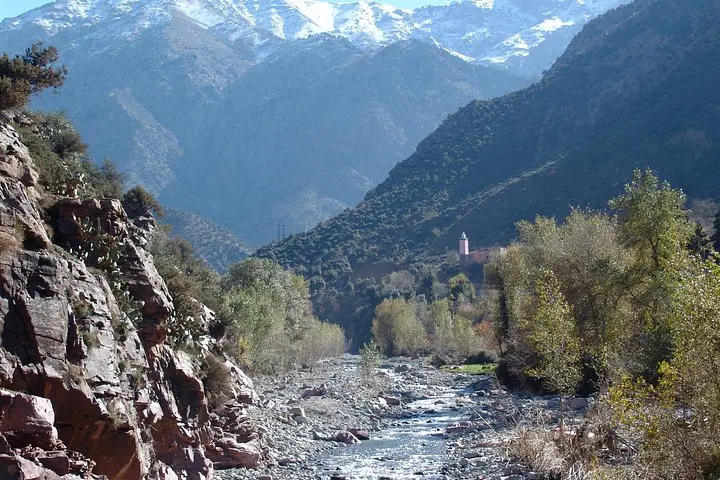
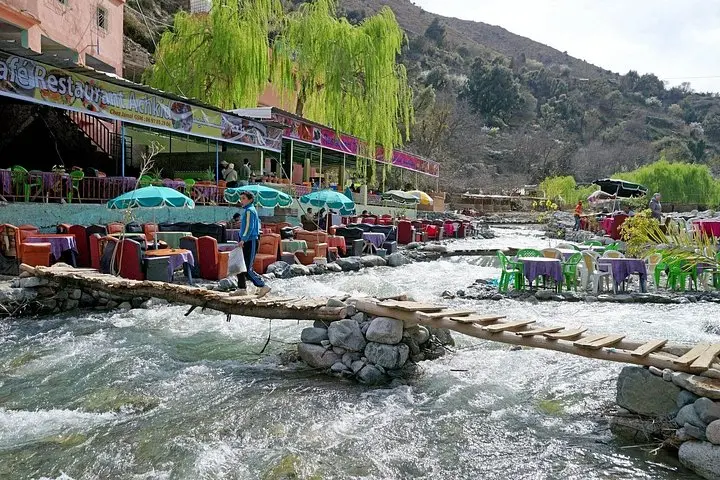
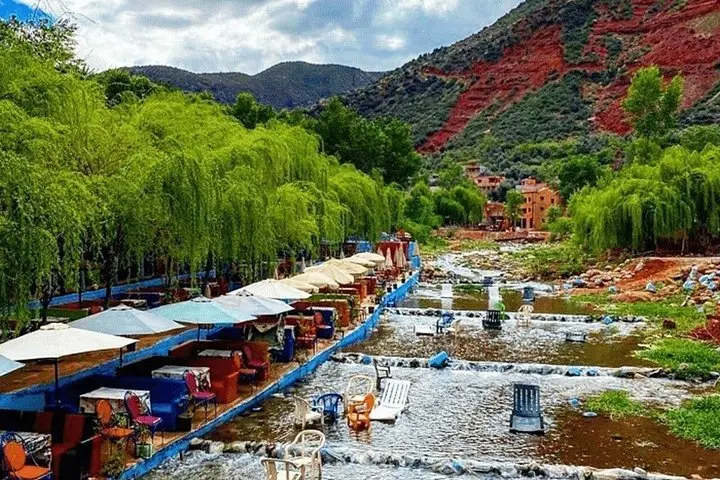
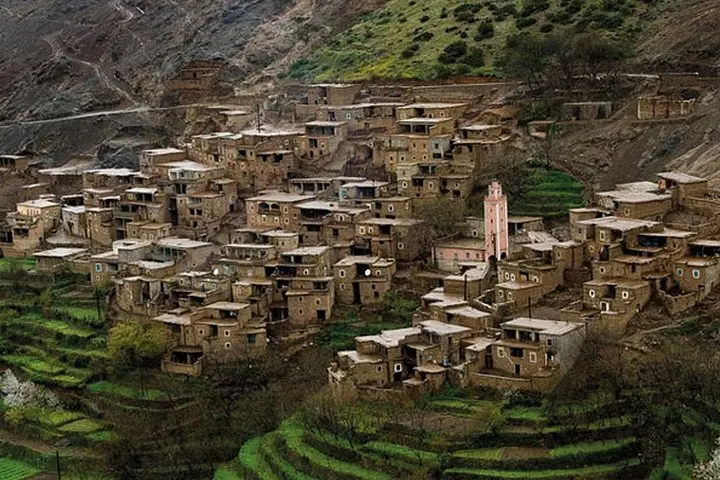
Early light carves the Atlas ridgelines as the road leaves Marrakech behind and the air cools—olive terraces and dry-stone walls unfolding like pages. The Ourika Valley opens gradually: a river that dares you to follow it upstream, basalt outcrops that push the trail into vantage points, and villages where looms click and argan oil is pressed by hand. Hikers begin from Setti Fatma and move through terraced fields and mule tracks, crossing shallow streams and switchbacks that reward with the spray and hush of the Setti Fatma waterfalls.
Early light carves the Atlas ridgelines as the road leaves Marrakech behind and the air cools—olive terraces and dry-stone walls unfolding like pages. The Ourika Valley opens gradually: a river that dares you to follow it upstream, basalt outcrops that push the trail into vantage points, and villages where looms click and argan oil is pressed by hand. Hikers begin from Setti Fatma and move through terraced fields and mule tracks, crossing shallow streams and switchbacks that reward with the spray and hush of the Setti Fatma waterfalls.
The valley sits on the southern foothills of the High Atlas, where uplifted sedimentary layers meet volcanic intrusions; that geology creates the steep ravines and stepped waterfalls. The people here are Amazigh (Berber), with a long tradition of terrace farming and cooperative argan pressing—visits to a women’s cooperative are common and offer direct cultural exchange.
Expect a 6–8 hour outing including transfers: easy walking between villages, then progressively rockier, stream-crossing hiking to reach the upper falls. Wear grippy shoes and layer for temperature swings; bring cash for cooperatives and modesty when visiting homes. Plan the walk for morning or late afternoon to avoid midday heat and support quieter trails.
Practical edge: the route isn’t technical but can be slippery after rain—stick to marked paths, respect private property, and pack out waste. The reward is straightforward: cool mist, river-side lunches, and the steady pulse of mountain life close to Marrakech.