THE ADVENTURE COLLECTIVE® · Independent discovery and booking for outdoor travel

Escape Marrakech for a day in the Ourika Valley to hike to Setti Fatma’s waterfalls and visit Berber villages and argan cooperatives. This private 8‑hour trip blends short hikes, cultural stops, and sweeping High Atlas scenery.
Escape Marrakech for a day in the Ourika Valley to hike to Setti Fatma’s waterfalls and visit Berber villages and argan cooperatives. This private 8‑hour trip blends short hikes, cultural stops, and sweeping High Atlas scenery.
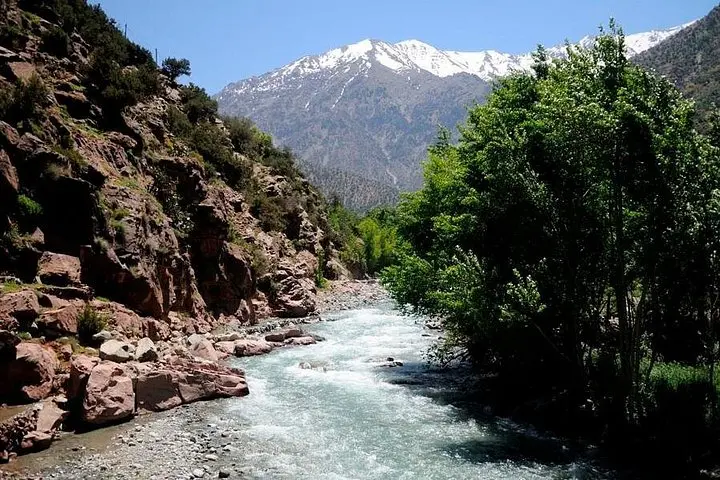
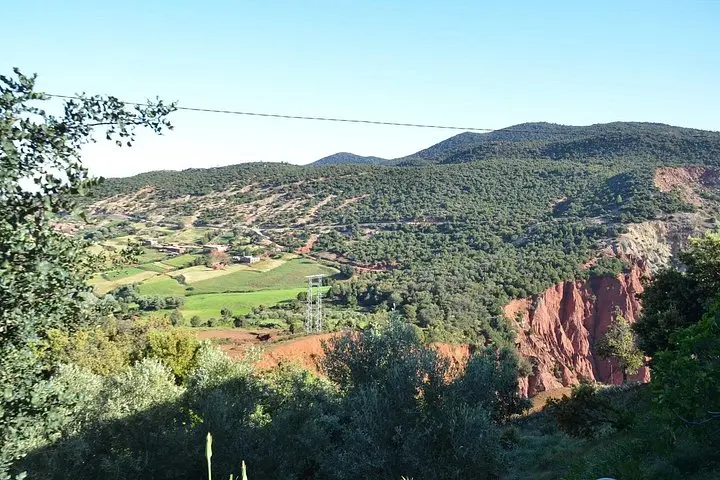
At first light the road out of Marrakech narrows and the city heat gives way to cooler air slipping down from the High Atlas. The minivan threads along a ribbon of asphalt; olive terraces and argan trees punctuate slopes while the Ourika River runs ahead like a dare, its current whispering where you'll hike.
Verified experiences and guided adventures in the surrounding area.
Operated by Marrakesh Travel Services · Setti Fatma, Marrakesh-Safi
At first light the road out of Marrakech narrows and the city heat gives way to cooler air slipping down from the High Atlas. The minivan threads along a ribbon of asphalt; olive terraces and argan trees punctuate slopes while the Ourika River runs ahead like a dare, its current whispering where you'll hike.
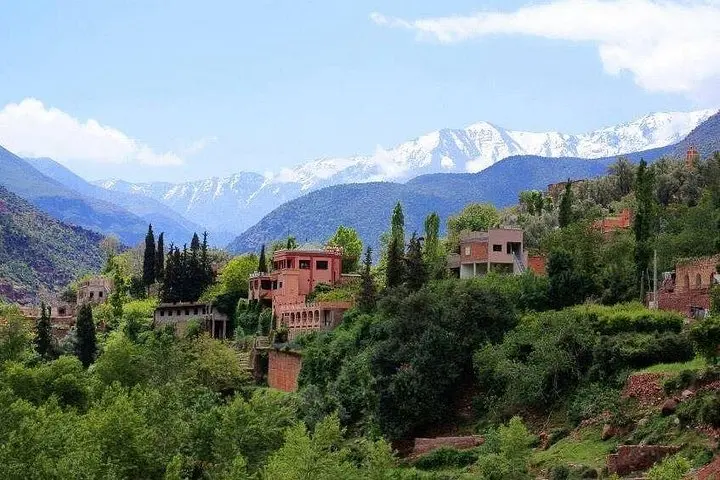
This valley is shaped by uplift and erosion: folded sedimentary rock lifted by the Atlas orogeny, then gouged by millennia of water. Small Berber (Amazigh) villages cling to terraces, their flat-roofed houses and terraced fields reflecting a rural life tied to the seasons. Local cooperatives press argan oil by hand, and a stop at a Berber house offers a compact window into everyday customs and mint tea hospitality.
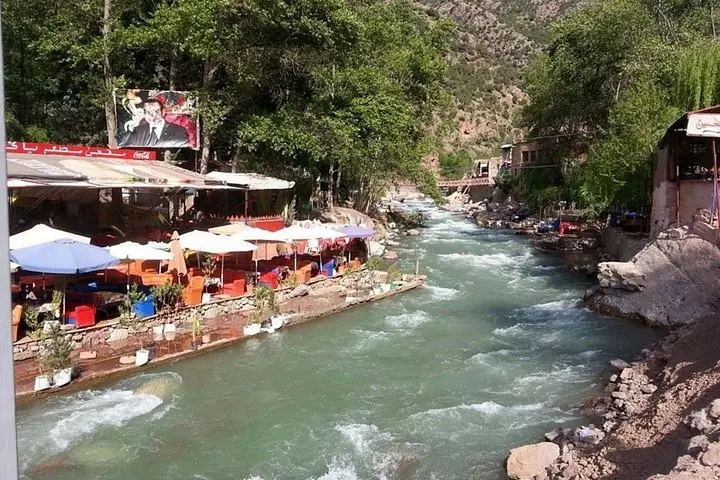
The main outing is the Setti Fatma waterfall trail—stone steps and dirt paths that climb through almond and juniper, crossing the river at narrow footbridges. Expect roughly 4–6 km round-trip with about 200–300 m of elevation gain if you push to the higher cascades; terrain is rocky and can be slippery after rain. The seven waterfalls are a sequence of pools and drops: each turn in the trail brings a new viewpoint and cooler air.
Practical edge: the tour is an 8‑hour round trip from Marrakech with hotel pickup, so plan for early departure, sturdy shoes, sun protection, and at least 1.5–2 liters of water. A local guide manages navigation and negotiations at cooperatives; bring small bills for purchases and a tip for your driver and guide. Timing midday on weekdays avoids the largest crowds — and gives you more space at the higher falls to listen to the river push onward.
Yes—most private day tours include hotel pickup and drop-off in Marrakech; confirm the pickup point when booking.
The walks are moderate: uneven stone steps and short steep sections; about 4–6 km round-trip with roughly 200–300 m of elevation gain to the upper cascades.
Children can join but must be supervised—terrain can be slippery and the provider notes children should be accompanied by an adult.
The standard itinerary typically includes stops at village cafés where you can buy food; vegetarian options are usually available if requested in advance.
Marrakesh Travel Services operates guided outdoor trips and adventures with an emphasis on safety, stewardship, and memorable experiences.
At first light the road out of Marrakech narrows and the city heat gives way to cooler air slipping down from the High Atlas. The minivan threads along a ribbon of asphalt; olive terraces and argan trees punctuate slopes while the Ourika River runs ahead like a dare, its current whispering where you'll hike.
At first light the road out of Marrakech narrows and the city heat gives way to cooler air slipping down from the High Atlas. The minivan threads along a ribbon of asphalt; olive terraces and argan trees punctuate slopes while the Ourika River runs ahead like a dare, its current whispering where you'll hike.
This valley is shaped by uplift and erosion: folded sedimentary rock lifted by the Atlas orogeny, then gouged by millennia of water. Small Berber (Amazigh) villages cling to terraces, their flat-roofed houses and terraced fields reflecting a rural life tied to the seasons. Local cooperatives press argan oil by hand, and a stop at a Berber house offers a compact window into everyday customs and mint tea hospitality.
The main outing is the Setti Fatma waterfall trail—stone steps and dirt paths that climb through almond and juniper, crossing the river at narrow footbridges. Expect roughly 4–6 km round-trip with about 200–300 m of elevation gain if you push to the higher cascades; terrain is rocky and can be slippery after rain. The seven waterfalls are a sequence of pools and drops: each turn in the trail brings a new viewpoint and cooler air.
Practical edge: the tour is an 8‑hour round trip from Marrakech with hotel pickup, so plan for early departure, sturdy shoes, sun protection, and at least 1.5–2 liters of water. A local guide manages navigation and negotiations at cooperatives; bring small bills for purchases and a tip for your driver and guide. Timing midday on weekdays avoids the largest crowds — and gives you more space at the higher falls to listen to the river push onward.