THE ADVENTURE COLLECTIVE® · Independent discovery and booking for outdoor travel

A full-day escape from Marrakech into the foothills of the High Atlas, visiting Setti Fatma waterfalls, traditional Berber villages, and riverside terraces. This trip blends easy mountain walking with cultural stops and local markets.
A full-day escape from Marrakech into the foothills of the High Atlas, visiting Setti Fatma waterfalls, traditional Berber villages, and riverside terraces. This trip blends easy mountain walking with cultural stops and local markets.
You leave Marrakech behind through a window of pale ochre buildings and enter a corridor of olive groves, then the foothills of the High Atlas rise up like an invitation. The road threads past terraced fields and small stone houses until the valley opens and the Ourika River begins to insist—rushing, cooling, shaping the slope.
Verified experiences and guided adventures in the surrounding area.
Operated by PAVONI ITALIA MAROC TRAVEL · Marrakech, Marrakesh-Safi
You leave Marrakech behind through a window of pale ochre buildings and enter a corridor of olive groves, then the foothills of the High Atlas rise up like an invitation. The road threads past terraced fields and small stone houses until the valley opens and the Ourika River begins to insist—rushing, cooling, shaping the slope.
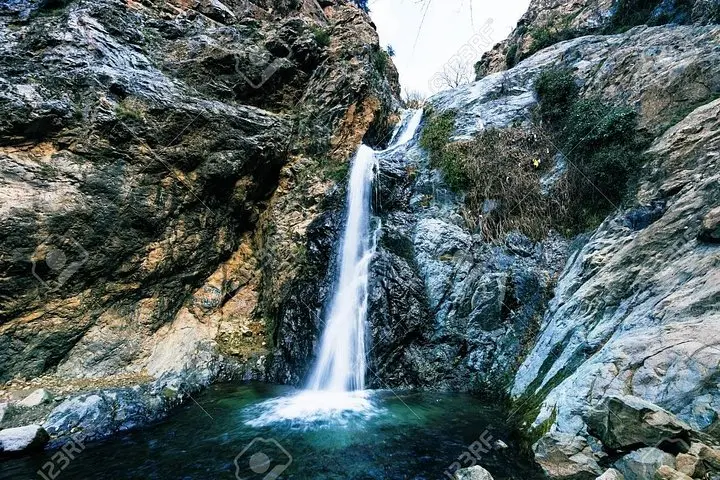
This day trip centers on Setti Fatma, a cluster of cascades fed by mountain springs. Geologically the valley is a cut in limestone and schist, carved by seasonal flows that collect in pools and notch narrow gullies. The Berber communities here have shaped the slopes with centuries-old irrigation terraces and a culture built around hospitality, mint tea, and argan cooperative crafts.
Expect easy-to-moderate walking on village paths and graded mountain trails: steps, loose rock, and occasional stream crossings. Guides typically lead short treks to a series of waterfalls—each falls with its own character, from thin ribbons to wide curtains—where locals sell snacks and handmade goods.
Practical guidance: start early to avoid mid-day heat, bring sturdy shoes with good tread, and carry at least 1.5–2 liters of water. Layers are useful—mornings in the valley can be cool, afternoons warm. Respect local norms: ask before photographing people and support women's argan cooperatives when possible.
Whether your aim is a cultural snapshot or a short mountain walk, the Ourika Valley delivers accessible water-and-mountain scenery within a day of Marrakech—rivers that dare you to slow down and listen.
The road to the Ourika Valley takes about 60–90 minutes each way depending on traffic and your exact pickup point in Marrakech.
Walks to the Setti Fatma waterfalls are short and suitable for most visitors, but routes include uneven steps and wet stone—good footwear recommended.
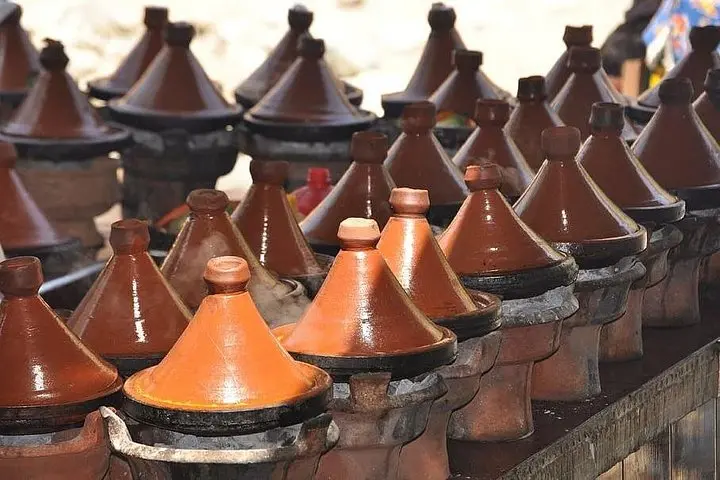
Typical tours include a stop at a local restaurant or village café; snacks and purchases from local vendors are usually extra.
Yes—this day trip is family-friendly, but it may not be suitable for those with serious mobility issues due to steps and uneven surfaces.
PAVONI ITALIA MAROC TRAVEL operates guided outdoor trips and adventures with an emphasis on safety, stewardship, and memorable experiences.
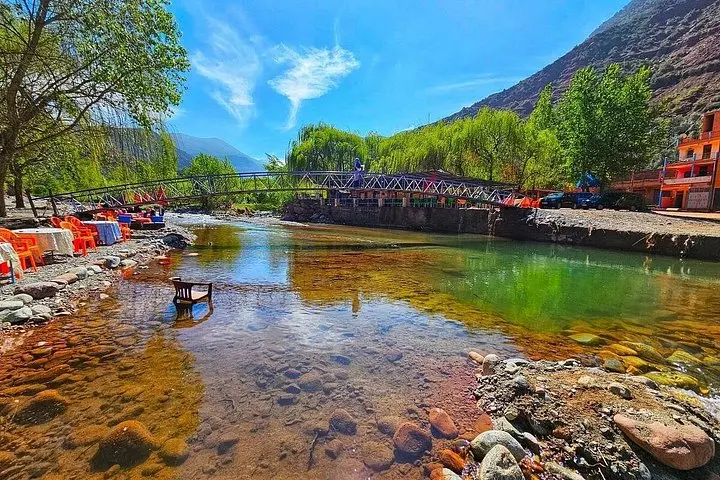
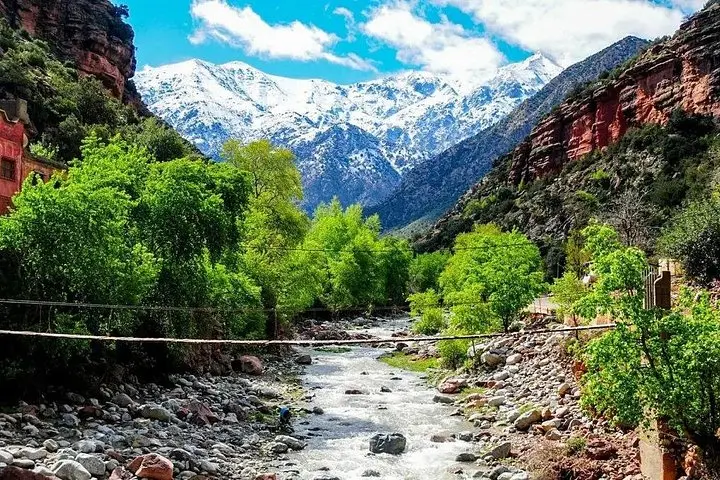
You leave Marrakech behind through a window of pale ochre buildings and enter a corridor of olive groves, then the foothills of the High Atlas rise up like an invitation. The road threads past terraced fields and small stone houses until the valley opens and the Ourika River begins to insist—rushing, cooling, shaping the slope.
You leave Marrakech behind through a window of pale ochre buildings and enter a corridor of olive groves, then the foothills of the High Atlas rise up like an invitation. The road threads past terraced fields and small stone houses until the valley opens and the Ourika River begins to insist—rushing, cooling, shaping the slope.
This day trip centers on Setti Fatma, a cluster of cascades fed by mountain springs. Geologically the valley is a cut in limestone and schist, carved by seasonal flows that collect in pools and notch narrow gullies. The Berber communities here have shaped the slopes with centuries-old irrigation terraces and a culture built around hospitality, mint tea, and argan cooperative crafts.
Expect easy-to-moderate walking on village paths and graded mountain trails: steps, loose rock, and occasional stream crossings. Guides typically lead short treks to a series of waterfalls—each falls with its own character, from thin ribbons to wide curtains—where locals sell snacks and handmade goods.
Practical guidance: start early to avoid mid-day heat, bring sturdy shoes with good tread, and carry at least 1.5–2 liters of water. Layers are useful—mornings in the valley can be cool, afternoons warm. Respect local norms: ask before photographing people and support women's argan cooperatives when possible.
Whether your aim is a cultural snapshot or a short mountain walk, the Ourika Valley delivers accessible water-and-mountain scenery within a day of Marrakech—rivers that dare you to slow down and listen.