THE ADVENTURE COLLECTIVE® · Independent discovery and booking for outdoor travel

Leave Marrakech for a day in the High Atlas: trek with a local guide to Setti Fatma’s waterfalls, visit an argan cooperative and Berber villages, and walk riverside paths framed by terraced fields. This one-day escape pairs cultural insight with hands-on mountain walking.
Leave Marrakech for a day in the High Atlas: trek with a local guide to Setti Fatma’s waterfalls, visit an argan cooperative and Berber villages, and walk riverside paths framed by terraced fields. This one-day escape pairs cultural insight with hands-on mountain walking.
The drive out of Marrakech eases expectations the moment the skyline loosens and the High Atlas slopes appear—rock crags and terraced fields folding toward a river that seems to dare you downstream.
Verified experiences and guided adventures in the surrounding area.
Operated by Dune Trek Tours · Marrakech, Marrakesh-Safi
The drive out of Marrakech eases expectations the moment the skyline loosens and the High Atlas slopes appear—rock crags and terraced fields folding toward a river that seems to dare you downstream.
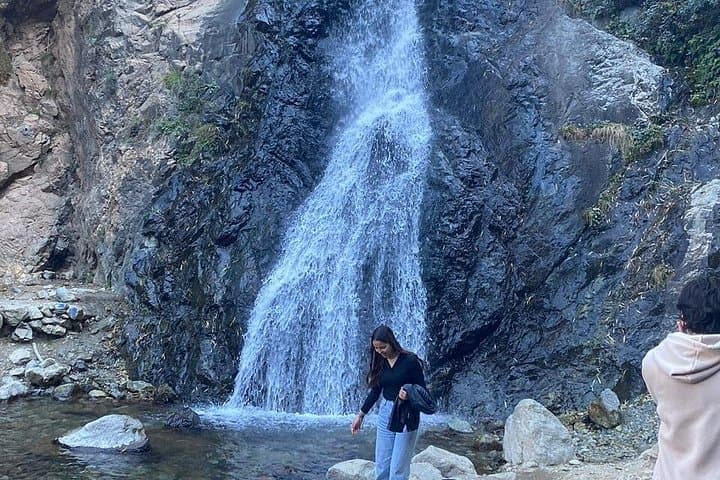
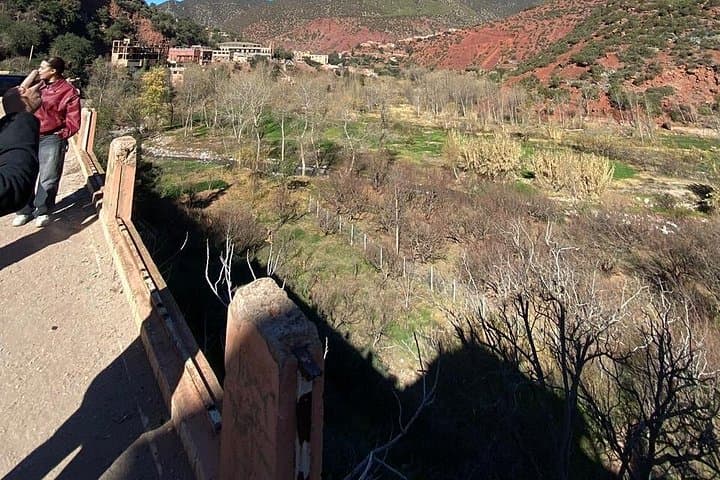
Arriving in the Ourika Valley, travelers move from minibus to footpath, following a stream that stitches villages together. The route to Setti Fatma’s waterfalls crosses small stone bridges and climbs over rocky ledges; each step reveals the valley’s geology—schist and sandstone layers carved by seasonal torrents—and the human patterns of irrigation channels and low stone houses inhabited by Amazigh (Berber) families.
History here is tangible: traditional argan cooperatives run by local women, hand-pressed oil demonstrations, and centuries of mountain farming practices adapted to steep, dry terrain. Cultural exchange is part of the trail—guides point out irrigation terraces, explain seasonal planting, and show how the valley’s water shapes daily life.
Practically, expect 4–6 short kilometers of walking at a relaxed but uneven pace, with loose rock and short steep sections to the upper falls. Bring sturdy shoes, at least 1–1.5 liters of water, sun protection, and small local currency for cooperatives or tea. Start early to avoid midday heat and to catch sharper light for photos; late afternoons can be cooler and muddier.
The day trip balances easy cultural stops with active, scenic walking—an accessible Atlas introduction that rewards straightforward preparation and curiosity about rural Moroccan mountain life.
Yes—most day trips include round-trip pickup from Marrakech accommodations in an air-conditioned minibus.
Expect several short hikes totaling roughly 4–6 kilometers of walking, with uneven terrain and multiple small climbs to see the higher cascades.
Travelers should have a moderate fitness level; the walk has uneven, rocky sections and brief steep pitches not suitable for those with serious mobility issues.
Visits are usually free, but the cooperative sells products and tips or small purchases are appreciated to support local women’s work.
Dune Trek Tours operates guided outdoor trips and adventures with an emphasis on safety, stewardship, and memorable experiences.
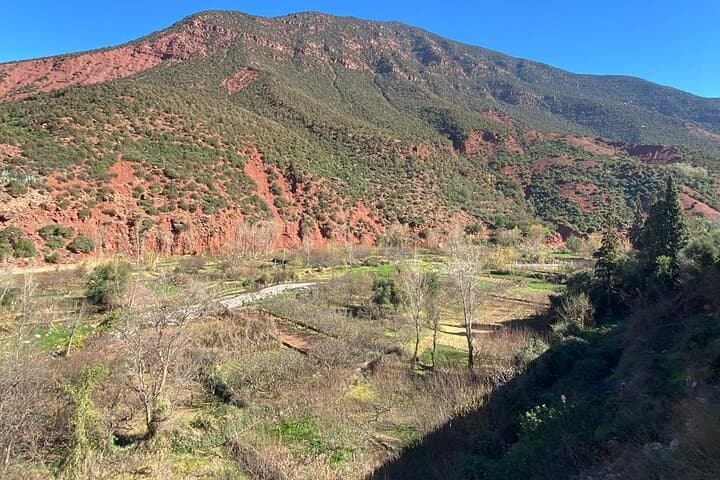
The drive out of Marrakech eases expectations the moment the skyline loosens and the High Atlas slopes appear—rock crags and terraced fields folding toward a river that seems to dare you downstream.
The drive out of Marrakech eases expectations the moment the skyline loosens and the High Atlas slopes appear—rock crags and terraced fields folding toward a river that seems to dare you downstream.
Arriving in the Ourika Valley, travelers move from minibus to footpath, following a stream that stitches villages together. The route to Setti Fatma’s waterfalls crosses small stone bridges and climbs over rocky ledges; each step reveals the valley’s geology—schist and sandstone layers carved by seasonal torrents—and the human patterns of irrigation channels and low stone houses inhabited by Amazigh (Berber) families.
History here is tangible: traditional argan cooperatives run by local women, hand-pressed oil demonstrations, and centuries of mountain farming practices adapted to steep, dry terrain. Cultural exchange is part of the trail—guides point out irrigation terraces, explain seasonal planting, and show how the valley’s water shapes daily life.
Practically, expect 4–6 short kilometers of walking at a relaxed but uneven pace, with loose rock and short steep sections to the upper falls. Bring sturdy shoes, at least 1–1.5 liters of water, sun protection, and small local currency for cooperatives or tea. Start early to avoid midday heat and to catch sharper light for photos; late afternoons can be cooler and muddier.
The day trip balances easy cultural stops with active, scenic walking—an accessible Atlas introduction that rewards straightforward preparation and curiosity about rural Moroccan mountain life.