THE ADVENTURE COLLECTIVE® · Independent discovery and booking for outdoor travel

Walk the labyrinthine alleys of Marrakech’s Medina with a local guide and learn to bargain, spot genuine handicrafts, and sip mint tea on a rooftop. This private 3–4 hour tour blends practical shopping tips with cultural context to help you navigate the souk like a local.
Walk the labyrinthine alleys of Marrakech’s Medina with a local guide and learn to bargain, spot genuine handicrafts, and sip mint tea on a rooftop. This private 3–4 hour tour blends practical shopping tips with cultural context to help you navigate the souk like a local.
Stepping into Marrakech’s souk, the air tightens with spice and brisk negotiation. Narrow alleys push and pull like a small city current; stalls lean toward the lane, their goods calling out — copper trays glint, saffron piles scent the air, and ancient slippers drape from hooks. A local guide leads the rhythm, pointing out craftsmen hunched over leather, the quick flick of a silversmith’s file, and a vendor who still measures cumin with a wooden scoop.
Verified experiences and guided adventures in the surrounding area.
Operated by Le jardin secret · Marrakech, Marrakech-Safi
Stepping into Marrakech’s souk, the air tightens with spice and brisk negotiation. Narrow alleys push and pull like a small city current; stalls lean toward the lane, their goods calling out — copper trays glint, saffron piles scent the air, and ancient slippers drape from hooks. A local guide leads the rhythm, pointing out craftsmen hunched over leather, the quick flick of a silversmith’s file, and a vendor who still measures cumin with a wooden scoop.
The souk sits at the heart of the old Medina, a marketplace evolved over centuries from caravan trade routes into organized guild districts. Buildings record layers of history: Almoravid foundations, later Almohad remakes, and Ottoman-era trade patterns that shaped craft specialties. The alleys follow the practical logic of commerce—narrow to shade, loops to slow traffic, and pockets where specialized artisans cluster.
Expect sensory detail and practical learning: how to read price cues, a brief haggling script, and where to find quality over souvenirs. Guides teach which workshops allow photography and which require permission, and they steer visitors past common tourist scams.
Practical guidance: wear comfortable shoes for uneven flagstones, carry small bills and a refillable water bottle, and leave larger purchases for quieter bargaining moments. Plan for 3–4 hours to move at a relaxed pace with time to stop at a rooftop café for mint tea and a view over the square. The tour suits anyone comfortable walking several urban miles and wanting authentic craft encounters while supporting local makers.
The private tour typically lasts 3–4 hours, allowing time to explore key souk districts, visit workshops, and pause for mint tea.
Many main alleys are navigable, but some narrow or stepped sections may be difficult; check with the operator for a fully accessible route.
Guides often speak English and French; private bookings usually list available languages—confirm at booking.
Purchases are not included; the guide will teach bargaining techniques and recommend trusted stalls, but buying is optional.
Le jardin secret operates guided outdoor trips and adventures with an emphasis on safety, stewardship, and memorable experiences.
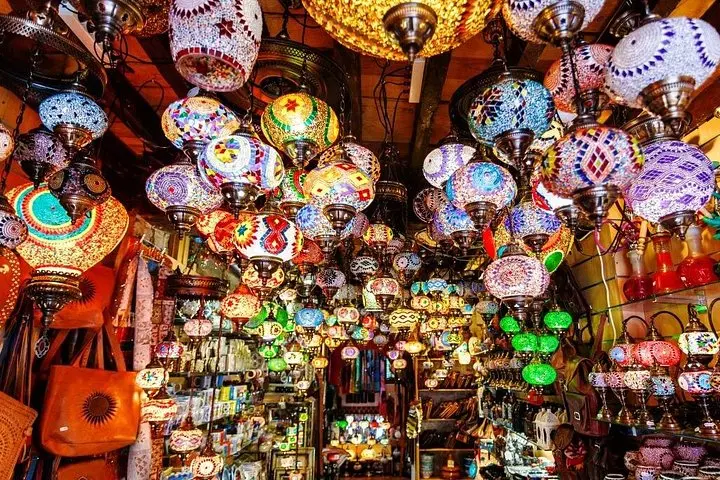
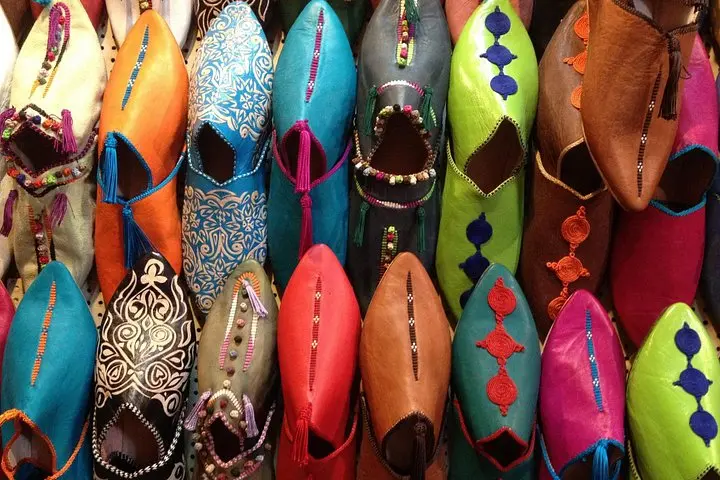
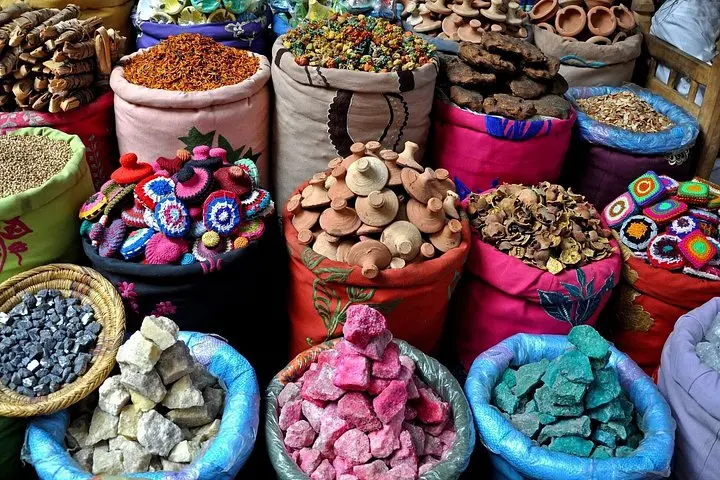

Stepping into Marrakech’s souk, the air tightens with spice and brisk negotiation. Narrow alleys push and pull like a small city current; stalls lean toward the lane, their goods calling out — copper trays glint, saffron piles scent the air, and ancient slippers drape from hooks. A local guide leads the rhythm, pointing out craftsmen hunched over leather, the quick flick of a silversmith’s file, and a vendor who still measures cumin with a wooden scoop.
Stepping into Marrakech’s souk, the air tightens with spice and brisk negotiation. Narrow alleys push and pull like a small city current; stalls lean toward the lane, their goods calling out — copper trays glint, saffron piles scent the air, and ancient slippers drape from hooks. A local guide leads the rhythm, pointing out craftsmen hunched over leather, the quick flick of a silversmith’s file, and a vendor who still measures cumin with a wooden scoop.
The souk sits at the heart of the old Medina, a marketplace evolved over centuries from caravan trade routes into organized guild districts. Buildings record layers of history: Almoravid foundations, later Almohad remakes, and Ottoman-era trade patterns that shaped craft specialties. The alleys follow the practical logic of commerce—narrow to shade, loops to slow traffic, and pockets where specialized artisans cluster.
Expect sensory detail and practical learning: how to read price cues, a brief haggling script, and where to find quality over souvenirs. Guides teach which workshops allow photography and which require permission, and they steer visitors past common tourist scams.
Practical guidance: wear comfortable shoes for uneven flagstones, carry small bills and a refillable water bottle, and leave larger purchases for quieter bargaining moments. Plan for 3–4 hours to move at a relaxed pace with time to stop at a rooftop café for mint tea and a view over the square. The tour suits anyone comfortable walking several urban miles and wanting authentic craft encounters while supporting local makers.