THE ADVENTURE COLLECTIVE® · Independent discovery and booking for outdoor travel

Wend through Marrakech’s historic medina with a private guide who opens doors into artisan workshops and fragrant spice alleys. Expect curated shopping, bargaining tips, and an insider view of centuries-old craft traditions.
Wend through Marrakech’s historic medina with a private guide who opens doors into artisan workshops and fragrant spice alleys. Expect curated shopping, bargaining tips, and an insider view of centuries-old craft traditions.
The morning light slides through a maze of ochre walls and narrow alleys as your guide leads you into the Medina. Voices rise in the distance; a vendor rolls out textiles, a spice stall sends up a warm, cinnamon-saffron scent, and wooden bowls clack as craftsmen test a finished joint. Walking here feels like following the city’s pulse—tight passages that open into small courtyards and crowded souks where color and sound press close.
Verified experiences and guided adventures in the surrounding area.
Operated by Premium Transfers and Tours Travel · Marrakech, Marrakech-Safi
The morning light slides through a maze of ochre walls and narrow alleys as your guide leads you into the Medina. Voices rise in the distance; a vendor rolls out textiles, a spice stall sends up a warm, cinnamon-saffron scent, and wooden bowls clack as craftsmen test a finished joint. Walking here feels like following the city’s pulse—tight passages that open into small courtyards and crowded souks where color and sound press close.
Marrakech dates back nearly a millennium to the Almoravid dynasty; its medina’s street plan reflects layered history—Berber trade routes, Andalusian crafts, and Ottoman-era influences. Geologically, the city sits north of the High Atlas foothills, and the clay red of its buildings comes from local soils that give Marrakech its signature hue. Culture is immediate: bargaining is expected, Arabic and French are common, and artisans often work where you can watch.
The private shopping tour guides you through Souk Semmarine (textiles, leather), Souk El Attarine (spices and perfumes), Souk de Bijoux (jewelry), Souk Chouari (woodwork) and the larger craft souks, with stops for translation and negotiation tips. Practical points: go early or late to avoid midday heat, carry small bills and a reusable water bottle, and wear sturdy closed-toe shoes—cobblestones and narrow ramps are common.
Respect shop customs (ask before photographing) and use your guide to verify authenticity. If you want unique finds, seek out family-run ateliers rather than high-traffic stalls. This is a walking, sensory day—expect around 3–4 hours of light activity, plenty of stops, and a richer understanding of Marrakech’s living crafts scene.
No; the tour includes a multilingual registered guide who will translate, teach useful phrases, and help with negotiations.
Bargaining is customary in the souks—expect to negotiate; your guide can advise a fair starting offer and appropriate etiquette.
The medina has narrow, uneven passages; strollers can be used in many areas but wheelchair access is limited—check with the operator for options and pickup choices.
Many shops can arrange shipping, but services, cost, and customs vary—ask the vendor and your guide to confirm packaging and export paperwork.
Premium Transfers and Tours Travel operates guided outdoor trips and adventures with an emphasis on safety, stewardship, and memorable experiences.
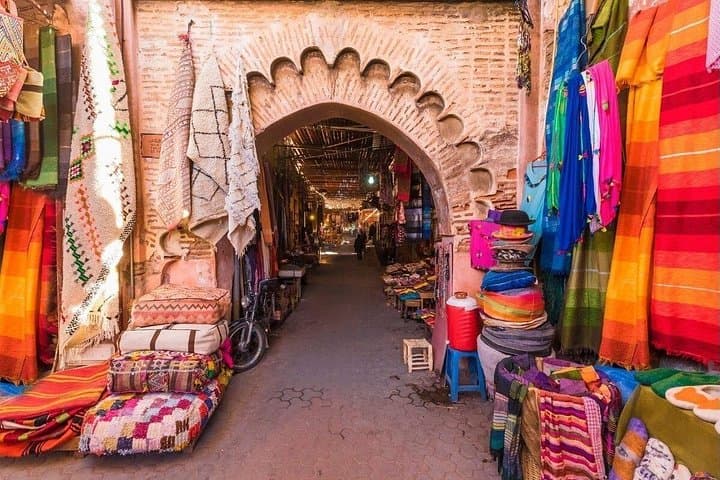
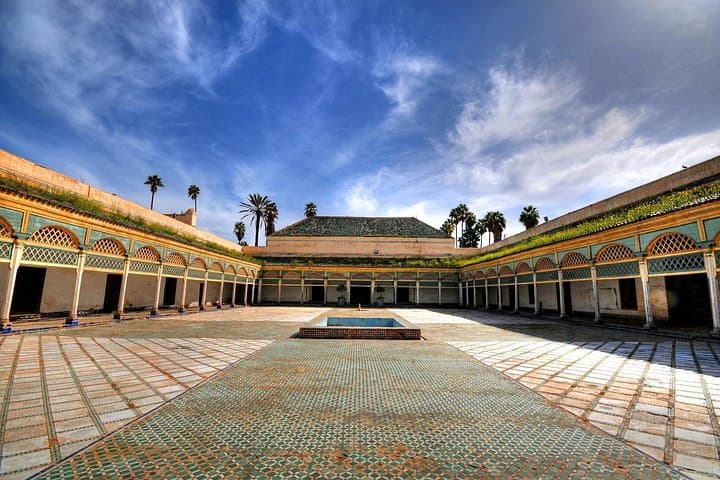
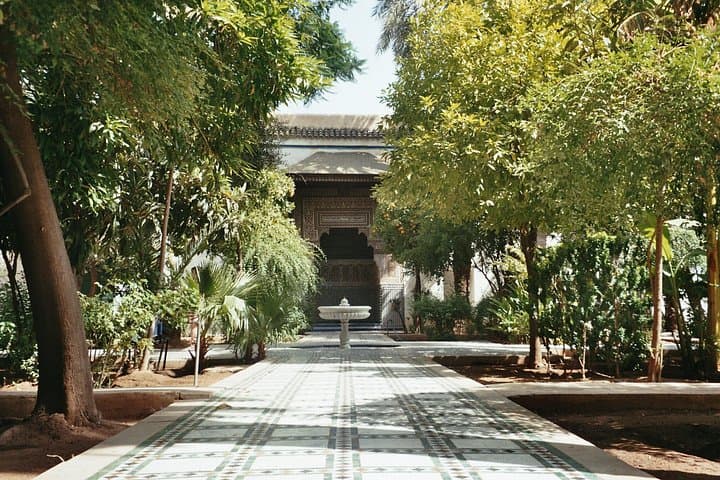

The morning light slides through a maze of ochre walls and narrow alleys as your guide leads you into the Medina. Voices rise in the distance; a vendor rolls out textiles, a spice stall sends up a warm, cinnamon-saffron scent, and wooden bowls clack as craftsmen test a finished joint. Walking here feels like following the city’s pulse—tight passages that open into small courtyards and crowded souks where color and sound press close.
The morning light slides through a maze of ochre walls and narrow alleys as your guide leads you into the Medina. Voices rise in the distance; a vendor rolls out textiles, a spice stall sends up a warm, cinnamon-saffron scent, and wooden bowls clack as craftsmen test a finished joint. Walking here feels like following the city’s pulse—tight passages that open into small courtyards and crowded souks where color and sound press close.
Marrakech dates back nearly a millennium to the Almoravid dynasty; its medina’s street plan reflects layered history—Berber trade routes, Andalusian crafts, and Ottoman-era influences. Geologically, the city sits north of the High Atlas foothills, and the clay red of its buildings comes from local soils that give Marrakech its signature hue. Culture is immediate: bargaining is expected, Arabic and French are common, and artisans often work where you can watch.
The private shopping tour guides you through Souk Semmarine (textiles, leather), Souk El Attarine (spices and perfumes), Souk de Bijoux (jewelry), Souk Chouari (woodwork) and the larger craft souks, with stops for translation and negotiation tips. Practical points: go early or late to avoid midday heat, carry small bills and a reusable water bottle, and wear sturdy closed-toe shoes—cobblestones and narrow ramps are common.
Respect shop customs (ask before photographing) and use your guide to verify authenticity. If you want unique finds, seek out family-run ateliers rather than high-traffic stalls. This is a walking, sensory day—expect around 3–4 hours of light activity, plenty of stops, and a richer understanding of Marrakech’s living crafts scene.