THE ADVENTURE COLLECTIVE® · Independent discovery and booking for outdoor travel

Navigate the winding lanes of Marrakech’s Medina with a local guide who opens doors to leather workshops, herbalists, and rug makers. This 3-hour walking tour pairs cultural context with practical shopping help—perfect for first-time market navigators.
Navigate the winding lanes of Marrakech’s Medina with a local guide who opens doors to leather workshops, herbalists, and rug makers. This 3-hour walking tour pairs cultural context with practical shopping help—perfect for first-time market navigators.
You step out from a low-arched riad into Jemaa el-Fna and the city opens like a living map: narrow lanes breathing warm air of spices, leather, and fresh mint. An experienced guide leads you away from the square’s chaos into alleys where the cobbles slope with the city’s red earth and the sound of potters at work punctuates the chatter.
Verified experiences and guided adventures in the surrounding area.
Operated by Take your guide · Marrakech, Marrakech-Safi
You step out from a low-arched riad into Jemaa el-Fna and the city opens like a living map: narrow lanes breathing warm air of spices, leather, and fresh mint. An experienced guide leads you away from the square’s chaos into alleys where the cobbles slope with the city’s red earth and the sound of potters at work punctuates the chatter.
The souks grew around medieval caravan routes and Marrakech’s ochre walls—built from local red clay—still color the market. Crafts trace family trades centuries old: tanned hides cured in sun-pocked pits, looms turning wool into geometric carpets, and herbalists blending argan and aromatic blends used since Andalusi times. Cultural notes arrive in little things: the bartering rhythm, the ritual of mint tea, and artisans proudly showing toolmarks that mark authenticity.
Expect a sensory education more than shopping alone. Alleys coax you sideways; spices dare you to inhale deeper; leather stalls ask you to test a seam. The guide’s role is practical—pointing to reputable workshops, explaining bargaining etiquette, and arranging hotel delivery for larger purchases like rugs.
Practically: bring small-diameter cash, comfortable shoes for uneven paving, and a lightweight daypack. Aim for morning or late afternoon for cooler light and fewer crowds. Keep valuables secure and use your guide to vet trustworthy shops. Hydrate frequently—the city’s sun can be sharp even in winter—and allow time to linger; a single rug stall can take 20 minutes of earnest inspection.
This is a walking, negotiating, and cultural-translation experience: fast-paced, tactile, and rooted in craft traditions that made Marrakech a crossroads of commerce for a thousand years.
Yes—this guided tour is scheduled and benefits from advance booking to guarantee a certified guide and preferred time slot.
Yes; polite bargaining is part of market culture—start lower than your budget and meet in the middle, and use your guide for cultural cues.
Many vendors and the tour offer hotel delivery and, for rugs, free shipping options—confirm sizes and shipping costs ahead of purchase.
The tour notes wheelchair and stroller accessibility, but some alleys are narrow or uneven—contact the operator in advance to confirm specific route details.
Take your guide operates guided outdoor trips and adventures with an emphasis on safety, stewardship, and memorable experiences.


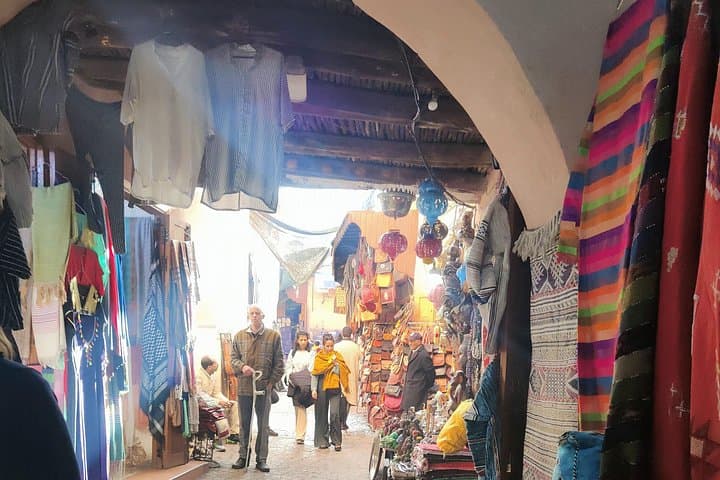
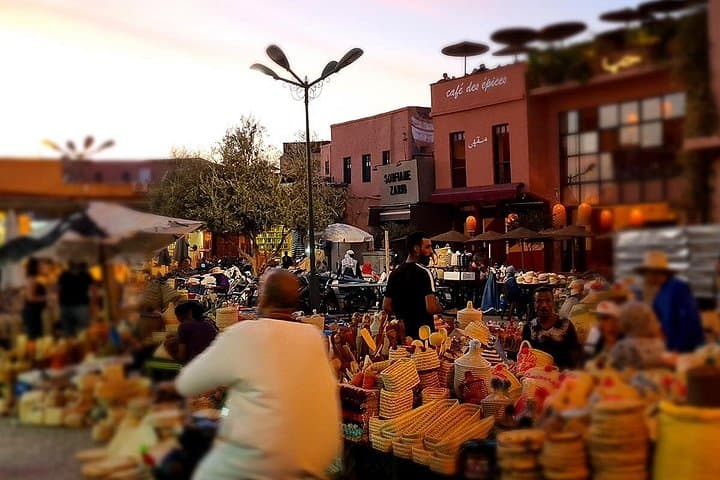
You step out from a low-arched riad into Jemaa el-Fna and the city opens like a living map: narrow lanes breathing warm air of spices, leather, and fresh mint. An experienced guide leads you away from the square’s chaos into alleys where the cobbles slope with the city’s red earth and the sound of potters at work punctuates the chatter.
You step out from a low-arched riad into Jemaa el-Fna and the city opens like a living map: narrow lanes breathing warm air of spices, leather, and fresh mint. An experienced guide leads you away from the square’s chaos into alleys where the cobbles slope with the city’s red earth and the sound of potters at work punctuates the chatter.
The souks grew around medieval caravan routes and Marrakech’s ochre walls—built from local red clay—still color the market. Crafts trace family trades centuries old: tanned hides cured in sun-pocked pits, looms turning wool into geometric carpets, and herbalists blending argan and aromatic blends used since Andalusi times. Cultural notes arrive in little things: the bartering rhythm, the ritual of mint tea, and artisans proudly showing toolmarks that mark authenticity.
Expect a sensory education more than shopping alone. Alleys coax you sideways; spices dare you to inhale deeper; leather stalls ask you to test a seam. The guide’s role is practical—pointing to reputable workshops, explaining bargaining etiquette, and arranging hotel delivery for larger purchases like rugs.
Practically: bring small-diameter cash, comfortable shoes for uneven paving, and a lightweight daypack. Aim for morning or late afternoon for cooler light and fewer crowds. Keep valuables secure and use your guide to vet trustworthy shops. Hydrate frequently—the city’s sun can be sharp even in winter—and allow time to linger; a single rug stall can take 20 minutes of earnest inspection.
This is a walking, negotiating, and cultural-translation experience: fast-paced, tactile, and rooted in craft traditions that made Marrakech a crossroads of commerce for a thousand years.