THE ADVENTURE COLLECTIVE® · Independent discovery and booking for outdoor travel

Walk the heart of Marrakech with a local guide: weave through Semmarine’s textiles, watch artisans dye fabrics in Souk des Teinturiers, and sample street fare in Souk Talaa Food. This three-hour tour combines culture, craft, and practical tips for shopping and safety.
Walk the heart of Marrakech with a local guide: weave through Semmarine’s textiles, watch artisans dye fabrics in Souk des Teinturiers, and sample street fare in Souk Talaa Food. This three-hour tour combines culture, craft, and practical tips for shopping and safety.
You step from the cool shade of a riad into a pulse of color: narrow lanes that angle and fold, voices rising in quick exchanges, spices hanging like sunlit smoke. The Marrakech Guided Tour in the Souks leads you through Souk Semmarine’s textile alleys, past the dye vats of Souk des Teinturiers, and into the sizzling stalls of Souk Talaa Food — three hours of close-up market life where craft, scent, and barter set the tempo.
Verified experiences and guided adventures in the surrounding area.
Operated by Take your guide · Marrakech, Marrakech-Safi
You step from the cool shade of a riad into a pulse of color: narrow lanes that angle and fold, voices rising in quick exchanges, spices hanging like sunlit smoke. The Marrakech Guided Tour in the Souks leads you through Souk Semmarine’s textile alleys, past the dye vats of Souk des Teinturiers, and into the sizzling stalls of Souk Talaa Food — three hours of close-up market life where craft, scent, and barter set the tempo.
Marrakech’s medina grew from a 11th-century trading hub where trans-Saharan routes met Atlantic-bound caravans; the alleys follow those old trade lines. The city sits on a plain of red clay and alluvial deposits at the foot of the High Atlas, which historically funneled goods and people here. Crafts remain largely traditional: tannery and dyer techniques are handed down through families, and public squares like Rahba Kedima still serve as trading and social stages.
Practical guidance: expect uneven cobbles and narrow passageways — comfortable, closed shoes and a small daypack help. Bargaining is normal; start about 30–50% below the asking price and work toward a fair middle. Carry small denominations of dirhams and a reusable water bottle; bottled water is typically provided. Travel in the cooler hours—mornings or late afternoons—to avoid midday heat and the busiest crowds.
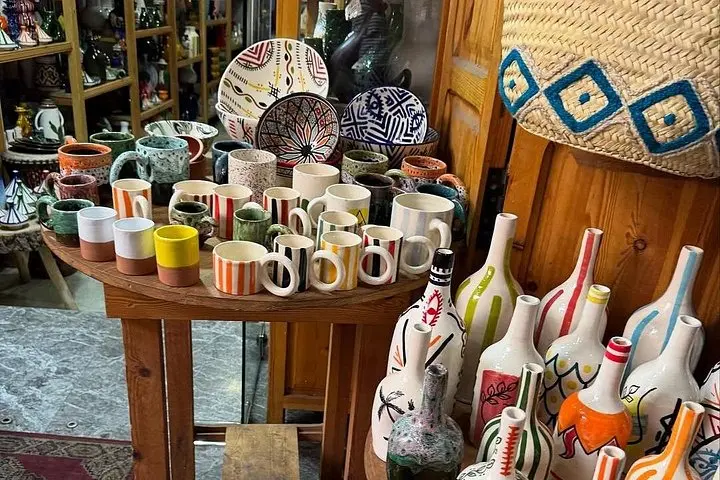
Etiquette tips: ask before photographing vendors closely, and wear modest clothing when entering religious sites. Your guide will explain local craft processes and point out trustworthy stalls for quality rugs, spices, and ceramics.
The tour runs about three hours and covers several souk sectors within the medina.
Yes — polite haggling is customary; start lower than your target price and be prepared to walk away.
Guides typically lead you to vendors and may include small tastings; check the tour inclusion for specifics.
Parts of the medina are narrow and cobbled; while some sections can accommodate a stroller, mobility may be limited in tighter lanes.
Take your guide operates guided outdoor trips and adventures with an emphasis on safety, stewardship, and memorable experiences.
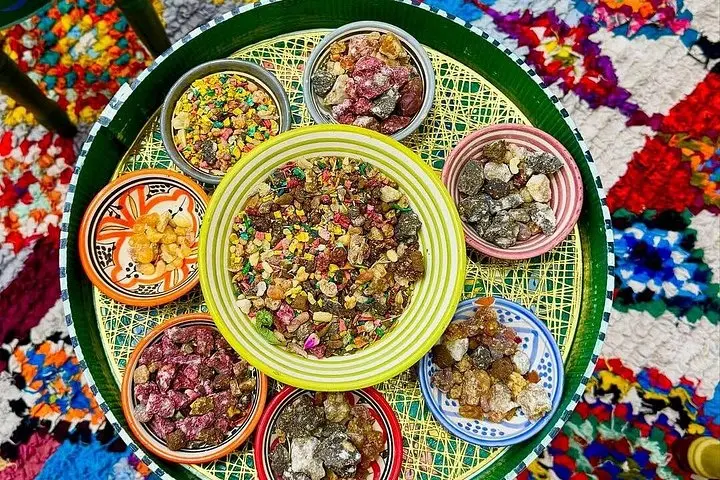
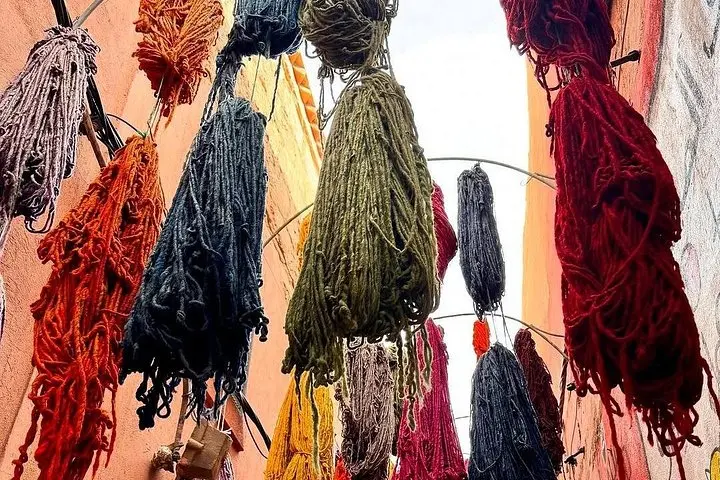
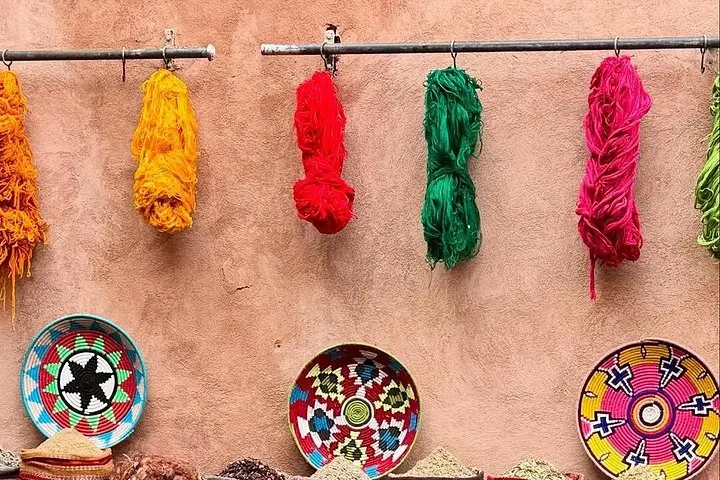
You step from the cool shade of a riad into a pulse of color: narrow lanes that angle and fold, voices rising in quick exchanges, spices hanging like sunlit smoke. The Marrakech Guided Tour in the Souks leads you through Souk Semmarine’s textile alleys, past the dye vats of Souk des Teinturiers, and into the sizzling stalls of Souk Talaa Food — three hours of close-up market life where craft, scent, and barter set the tempo.
You step from the cool shade of a riad into a pulse of color: narrow lanes that angle and fold, voices rising in quick exchanges, spices hanging like sunlit smoke. The Marrakech Guided Tour in the Souks leads you through Souk Semmarine’s textile alleys, past the dye vats of Souk des Teinturiers, and into the sizzling stalls of Souk Talaa Food — three hours of close-up market life where craft, scent, and barter set the tempo.
Marrakech’s medina grew from a 11th-century trading hub where trans-Saharan routes met Atlantic-bound caravans; the alleys follow those old trade lines. The city sits on a plain of red clay and alluvial deposits at the foot of the High Atlas, which historically funneled goods and people here. Crafts remain largely traditional: tannery and dyer techniques are handed down through families, and public squares like Rahba Kedima still serve as trading and social stages.
Practical guidance: expect uneven cobbles and narrow passageways — comfortable, closed shoes and a small daypack help. Bargaining is normal; start about 30–50% below the asking price and work toward a fair middle. Carry small denominations of dirhams and a reusable water bottle; bottled water is typically provided. Travel in the cooler hours—mornings or late afternoons—to avoid midday heat and the busiest crowds.
Etiquette tips: ask before photographing vendors closely, and wear modest clothing when entering religious sites. Your guide will explain local craft processes and point out trustworthy stalls for quality rugs, spices, and ceramics.