THE ADVENTURE COLLECTIVE® · Independent discovery and booking for outdoor travel

Walk Jemaa el-Fna’s alleys with a local guide and sample 10–12 authentic Moroccan dishes across family stalls and secret kitchens. This three-hour morning or night tour pairs food with cultural context and accessible routing through the Medina.
Walk Jemaa el-Fna’s alleys with a local guide and sample 10–12 authentic Moroccan dishes across family stalls and secret kitchens. This three-hour morning or night tour pairs food with cultural context and accessible routing through the Medina.
The morning light strikes the ochre walls of Jemaa el-Fna and the alleys already hum: vendors unfurl flatbreads, kettles steam, and spice-scented air threads through narrow lanes. By night the square rearranges itself again — charcoal fires pique, lanterns wink, and the medina’s rhythm pushes you forward, eager for the next bite.
Verified experiences and guided adventures in the surrounding area.
Operated by Nomads Berber Tours · Marrakech, Marrakech-Safi
The morning light strikes the ochre walls of Jemaa el-Fna and the alleys already hum: vendors unfurl flatbreads, kettles steam, and spice-scented air threads through narrow lanes. By night the square rearranges itself again — charcoal fires pique, lanterns wink, and the medina’s rhythm pushes you forward, eager for the next bite.
Marrakech sits on red soils at the foot of the High Atlas; the city’s markets grew from centuries of trans-Saharan trade and a mix of Berber and Arab culinary traditions. In the Medina, dishes carry those histories — harira’s fragrant broth, msemen’s layered dough, and chebakiya’s honeyed crunch are as much local memory as flavor.
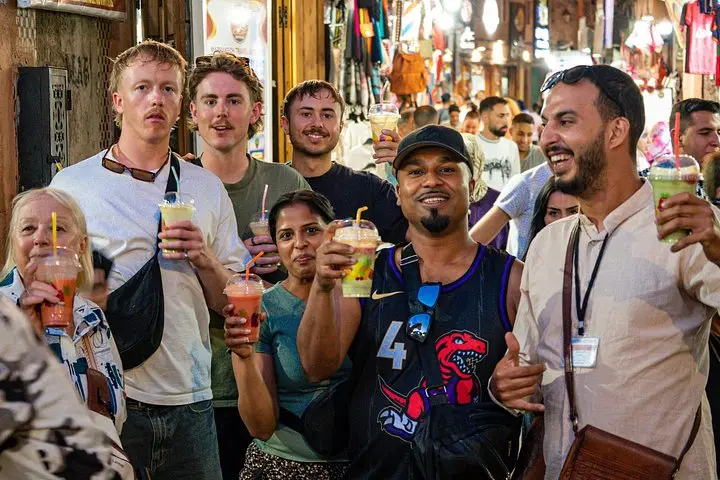
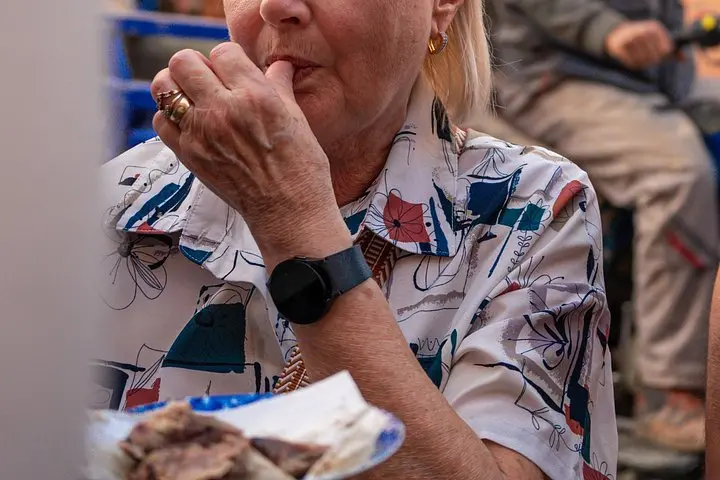
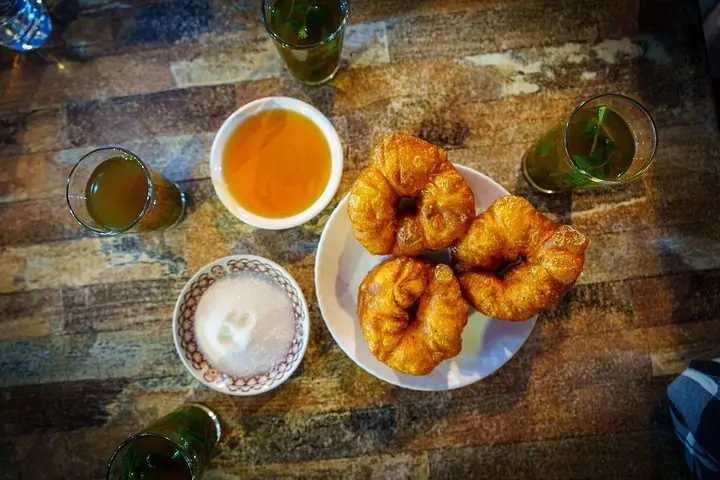
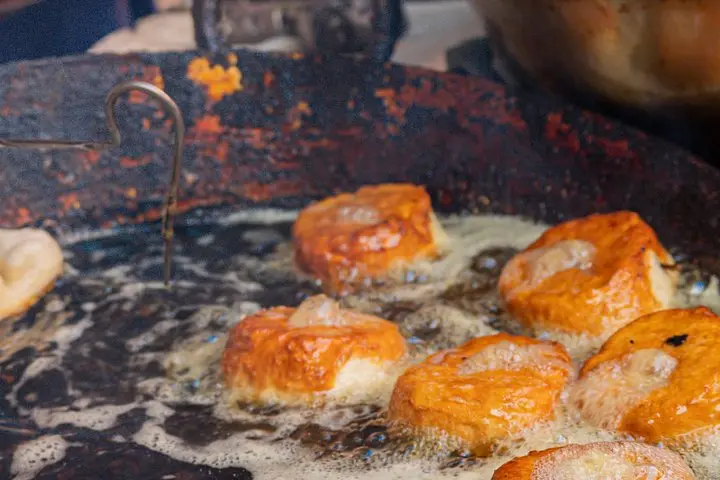
This guided walking tour (three hours) starts at Café de France in Jemaa el-Fna and winds through souks to family stalls and tucked-away kitchens. Expect 10–12 samples: soups, grilled meats, sardine preparations, sweets, and herbal teas. The group is small (up to 15), accessible for strollers and wheelchairs where streets permit, and operates morning or night to showcase different atmospheres.
Practical notes: bring cash for any extras, wear closed-toe walking shoes — the medina’s paving is uneven — and carry a refillable bottle to stay hydrated. If you have allergies, notify the guide ahead; the experience includes food and a local guide who can navigate dietary needs.
This is a sensory, social way to read Marrakech: the alleys speak through aromas, stalls teach history one bite at a time, and the city asks you to taste it slowly and respectfully.
The meeting point is Café de France in Jemaa el-Fna square; guides will confirm exact pickup details on booking.
Yes — notify the operator during booking and the guide will suggest alternatives and avoid certain stalls where possible.
Many areas and transportation options are accessible, but some medina lanes have steps or tight passages; contact the operator for specific accessibility needs.
The tour includes 10–12 small tastings designed to be sampled; light eaters can share portions or skip certain stops with the guide’s help.
Nomads Berber Tours operates guided outdoor trips and adventures with an emphasis on safety, stewardship, and memorable experiences.
The morning light strikes the ochre walls of Jemaa el-Fna and the alleys already hum: vendors unfurl flatbreads, kettles steam, and spice-scented air threads through narrow lanes. By night the square rearranges itself again — charcoal fires pique, lanterns wink, and the medina’s rhythm pushes you forward, eager for the next bite.
The morning light strikes the ochre walls of Jemaa el-Fna and the alleys already hum: vendors unfurl flatbreads, kettles steam, and spice-scented air threads through narrow lanes. By night the square rearranges itself again — charcoal fires pique, lanterns wink, and the medina’s rhythm pushes you forward, eager for the next bite.
Marrakech sits on red soils at the foot of the High Atlas; the city’s markets grew from centuries of trans-Saharan trade and a mix of Berber and Arab culinary traditions. In the Medina, dishes carry those histories — harira’s fragrant broth, msemen’s layered dough, and chebakiya’s honeyed crunch are as much local memory as flavor.
This guided walking tour (three hours) starts at Café de France in Jemaa el-Fna and winds through souks to family stalls and tucked-away kitchens. Expect 10–12 samples: soups, grilled meats, sardine preparations, sweets, and herbal teas. The group is small (up to 15), accessible for strollers and wheelchairs where streets permit, and operates morning or night to showcase different atmospheres.
Practical notes: bring cash for any extras, wear closed-toe walking shoes — the medina’s paving is uneven — and carry a refillable bottle to stay hydrated. If you have allergies, notify the guide ahead; the experience includes food and a local guide who can navigate dietary needs.
This is a sensory, social way to read Marrakech: the alleys speak through aromas, stalls teach history one bite at a time, and the city asks you to taste it slowly and respectfully.