THE ADVENTURE COLLECTIVE® · Independent discovery and booking for outdoor travel

Rise with the sun above Marrakesh for a 40–60 minute hot air balloon flight that lays the Atlas Mountains, desert plains and irrigated valleys at your feet. Expect an early start, a safety briefing, and a traditional post-flight breakfast.
Rise with the sun above Marrakesh for a 40–60 minute hot air balloon flight that lays the Atlas Mountains, desert plains and irrigated valleys at your feet. Expect an early start, a safety briefing, and a traditional post-flight breakfast.
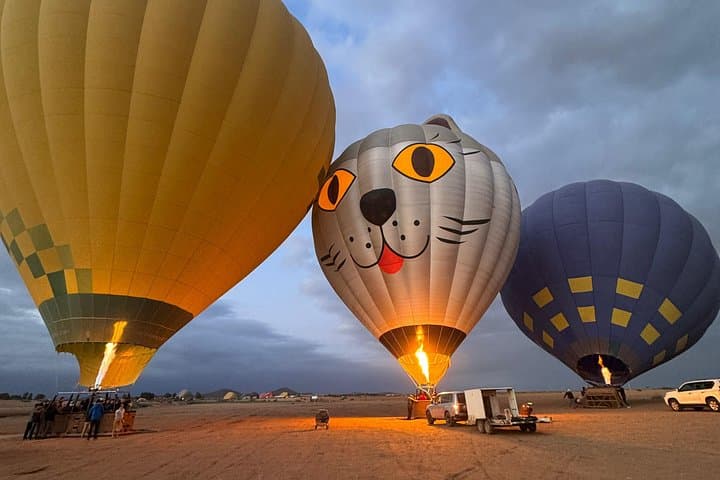
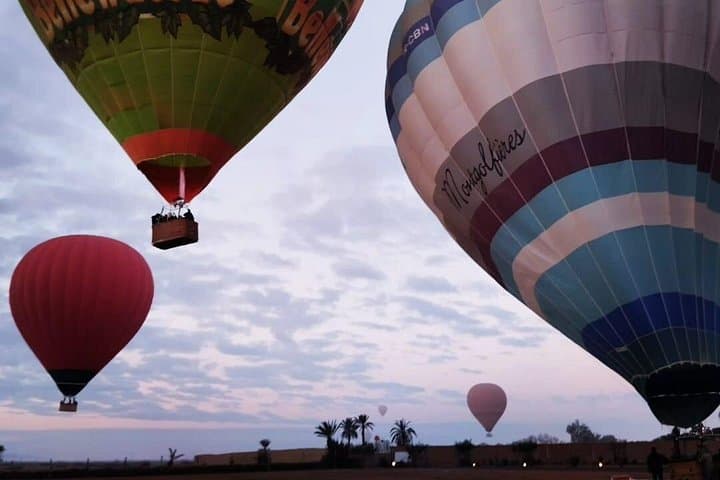
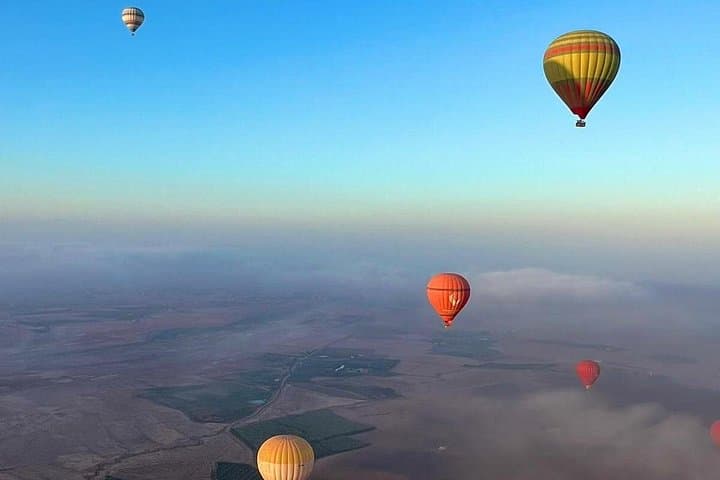
Before dawn the basket breathes and the desert light sharpens: you lift from a launch field on the outskirts of Marrakech and the city’s noise falls away as the balloon climbs. Below, ochre fields, irrigated valleys and the jagged silhouette of the High Atlas roll past while a pilot calibrates the burner and points out distant villages.
Verified experiences and guided adventures in the surrounding area.
Operated by TouaregTrails.com · Marrakech, Marrakesh-Safi
Before dawn the basket breathes and the desert light sharpens: you lift from a launch field on the outskirts of Marrakech and the city’s noise falls away as the balloon climbs. Below, ochre fields, irrigated valleys and the jagged silhouette of the High Atlas roll past while a pilot calibrates the burner and points out distant villages.
The Atlas Mountains are the region’s backbone—folded and uplifted during the Alpine orogeny—and from the air you see how centuries of irrigation and terracing shape the land. Marrakech itself is a historic imperial city that grew from caravan routes; today the balloon’s quiet flight offers a contrasting, pastoral perspective on that urban energy.
Local culture appears in small details: irrigated palm groves, clustered kasbahs, shepherds and the occasional earthen kasbah roof catching morning light. Operators typically finish flights with a traditional breakfast in a tent or local house, a short land-drive celebration and certification of flight.
Practical side: most flights last 40–60 minutes but the full pick-up, briefing, flight and return takes about three to four hours. Flights run at dawn for stable air and best light; they are weather dependent and weight and health restrictions apply. Expect to stand in the basket, wear closed-toe shoes and dress in layers—mornings are cool before the sun warms the plains. Cameras are highly recommended; battery warmers or spares help in chilly mornings. If wind or safety issues cancel the flight, reputable operators rebook or issue refunds. This is an accessible, low-impact way to see the Atlas and surrounding desert from a calm, avian perspective.
Typical airborne time is 40–60 minutes; the full experience including pickup, briefing and breakfast takes about 3–4 hours.
Children under about 4–5 are usually discouraged; operators request passenger weights and restrict participants with recent surgery, spinal or serious heart conditions and pregnant travelers.
Flights are weather dependent; reputable operators will rebook for another date or provide a full refund if cancellation is due to unsafe conditions.
No technical skill is required—pilots brief passengers on safety and landing positions; you must be able to stand and follow crew instructions.
TouaregTrails.com operates guided outdoor trips and adventures with an emphasis on safety, stewardship, and memorable experiences.
Before dawn the basket breathes and the desert light sharpens: you lift from a launch field on the outskirts of Marrakech and the city’s noise falls away as the balloon climbs. Below, ochre fields, irrigated valleys and the jagged silhouette of the High Atlas roll past while a pilot calibrates the burner and points out distant villages.
Before dawn the basket breathes and the desert light sharpens: you lift from a launch field on the outskirts of Marrakech and the city’s noise falls away as the balloon climbs. Below, ochre fields, irrigated valleys and the jagged silhouette of the High Atlas roll past while a pilot calibrates the burner and points out distant villages.
The Atlas Mountains are the region’s backbone—folded and uplifted during the Alpine orogeny—and from the air you see how centuries of irrigation and terracing shape the land. Marrakech itself is a historic imperial city that grew from caravan routes; today the balloon’s quiet flight offers a contrasting, pastoral perspective on that urban energy.
Local culture appears in small details: irrigated palm groves, clustered kasbahs, shepherds and the occasional earthen kasbah roof catching morning light. Operators typically finish flights with a traditional breakfast in a tent or local house, a short land-drive celebration and certification of flight.
Practical side: most flights last 40–60 minutes but the full pick-up, briefing, flight and return takes about three to four hours. Flights run at dawn for stable air and best light; they are weather dependent and weight and health restrictions apply. Expect to stand in the basket, wear closed-toe shoes and dress in layers—mornings are cool before the sun warms the plains. Cameras are highly recommended; battery warmers or spares help in chilly mornings. If wind or safety issues cancel the flight, reputable operators rebook or issue refunds. This is an accessible, low-impact way to see the Atlas and surrounding desert from a calm, avian perspective.