
Marrakech to Aït Ben Haddou and Ouarzazate: A Day Through Kasbahs and Atlas Passes
Drive over the High Atlas to reach Aît Ben Haddou’s clay fortress and the historic Taourirt Kasbah in Ouarzazate. This full-day private tour packs geology, film-star scenery, and living Berber architecture into an accessible eight-hour round trip from Marrakech.
An Adventure In Marrakech.
Drive over the High Atlas to reach Aît Ben Haddou’s clay fortress and the historic Taourirt Kasbah in Ouarzazate. This full-day private tour packs geology, film-star scenery, and living Berber architecture into an accessible eight-hour round trip from Marrakech.
Read the full experience
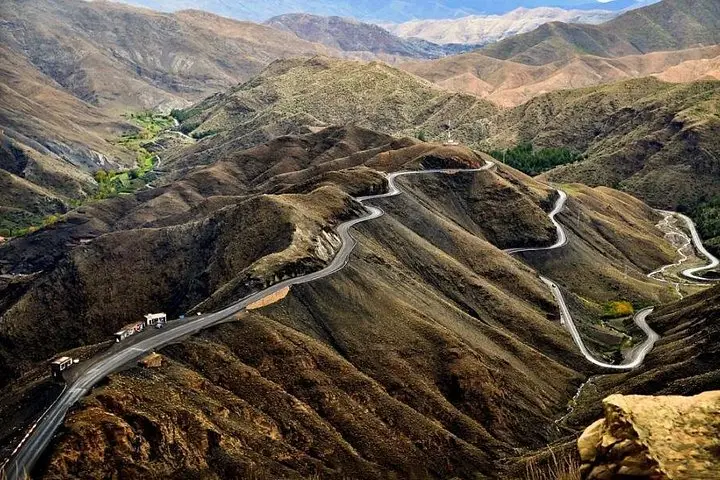
You leave Marrakech before dawn and the city’s tile roofs shrink behind you as the road climbs into the High Atlas. Light slips along stony ridges; the air carries a dry, mineral scent and the first views of terraced slopes and ochre clay settlements appear like geological pages flipped open.
You leave Marrakech before dawn and the city’s tile roofs shrink behind you as the road climbs into the High Atlas. Light slips along stony ridges; the air carries a dry, mineral scent and the first views of terraced slopes and ochre clay settlements appear like geological pages flipped open.
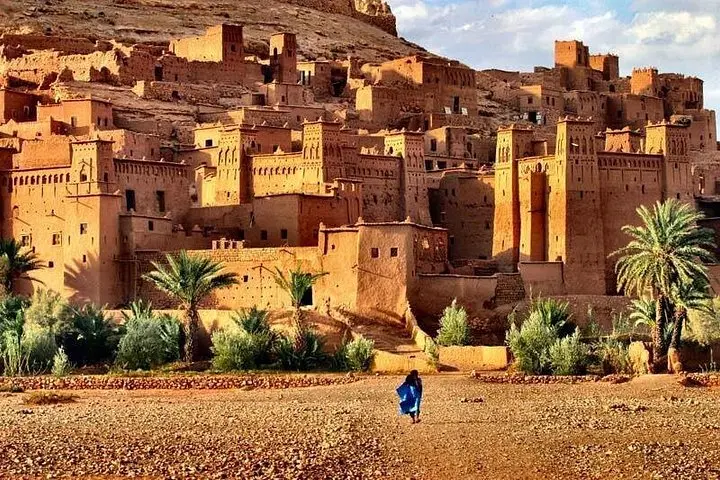
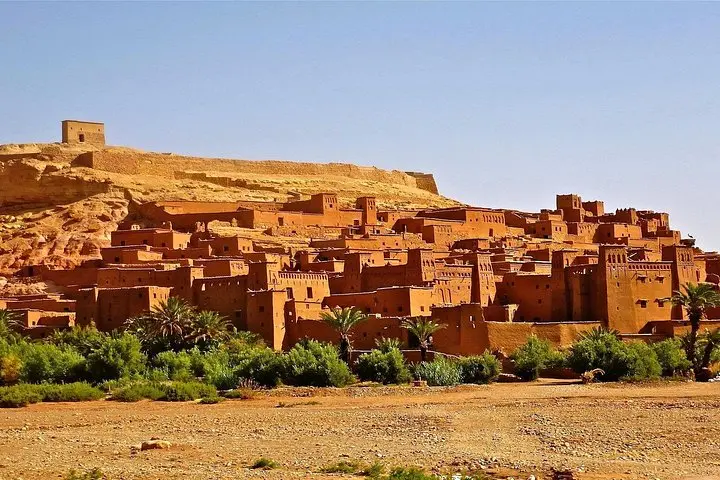
Aît Ben Haddou is an earthen fortress on a strategic caravan route — its sunbaked walls and crenellated towers stand where salt and spice once moved across North Africa. The kasbahs of Taourirt in Ouarzazate tell a more recent tale: the Glaoui family’s power in the 20th century and Morocco’s transition from tribal strongholds to modern towns.
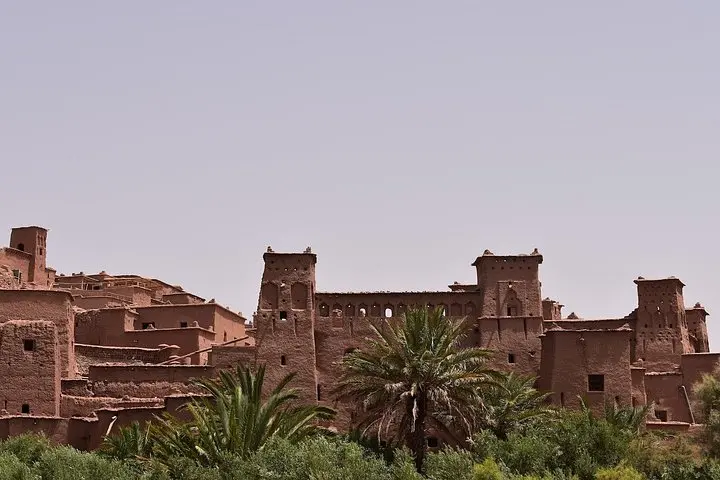
Geology here is clear: red and brown mud-brick built from local clay and river silt, shaped by freeze-thaw and seasonal washes. Culture is equally visible — Berber architecture, rooftop terraces, and local storytellers who keep trade-route lore alive. Film crews have long favored the wide, arid backdrops; Gladiator and Game of Thrones amplified the landscape’s cinematic scale.
Practical side: expect multiple short walks over uneven stone and steps; bring sun protection and sturdy shoes. The full loop is an 8-hour day with long stretches in a private vehicle; stops include viewpoints, the ksar of Aît Ben Haddou, and Taourirt Kasbah in Ouarzazate. Photography windows are best mid-morning or late afternoon when light sculpts the walls. Hydrate often — the region is arid and temperatures swing between seasons. Respect local customs when photographing people and interior homes; many sites are still inhabited. With sensible pacing and basic gear, this day trip delivers a concentrated dose of Moroccan history, desert geology, and the atmospheric architecture that made these places famous on-screen.
Frequently asked questions
The itinerary runs about 8 hours round trip, including driving time and scheduled stops at Aît Ben Haddou and Taourirt Kasbah.
This tour description indicates admission is not included for some sites—carry cash for entrance fees or check with the operator ahead of time.
Yes—the tour is described as physically easy with short walks, though it isn’t recommended for travelers with serious spinal, heart, or pregnancy-related conditions.
Personal photography is permitted; drone use is restricted in many heritage sites—confirm local regulations and operator rules before flying.
About This Experience
Visita marruecos operates guided outdoor trips and adventures with an emphasis on safety, stewardship, and memorable experiences.
Adventure tips
Recommended gear
- Sturdy walking shoes: Provides traction and comfort on uneven ksar streets and kasbah steps.
- Sun hat and sunscreen: Protects from strong sun in the exposed Atlas foothills and desert approaches.
- Reusable water bottle (1–2L): Hydration is essential during long drives and brief hikes in arid terrain.
- Light layer and windbreaker: Mornings and passes can be cool; a packable layer is useful for changing conditions.
Photos of the experience
Related adventures & guides
Read the full experience
You leave Marrakech before dawn and the city’s tile roofs shrink behind you as the road climbs into the High Atlas. Light slips along stony ridges; the air carries a dry, mineral scent and the first views of terraced slopes and ochre clay settlements appear like geological pages flipped open.
You leave Marrakech before dawn and the city’s tile roofs shrink behind you as the road climbs into the High Atlas. Light slips along stony ridges; the air carries a dry, mineral scent and the first views of terraced slopes and ochre clay settlements appear like geological pages flipped open.
Aît Ben Haddou is an earthen fortress on a strategic caravan route — its sunbaked walls and crenellated towers stand where salt and spice once moved across North Africa. The kasbahs of Taourirt in Ouarzazate tell a more recent tale: the Glaoui family’s power in the 20th century and Morocco’s transition from tribal strongholds to modern towns.
Geology here is clear: red and brown mud-brick built from local clay and river silt, shaped by freeze-thaw and seasonal washes. Culture is equally visible — Berber architecture, rooftop terraces, and local storytellers who keep trade-route lore alive. Film crews have long favored the wide, arid backdrops; Gladiator and Game of Thrones amplified the landscape’s cinematic scale.
Practical side: expect multiple short walks over uneven stone and steps; bring sun protection and sturdy shoes. The full loop is an 8-hour day with long stretches in a private vehicle; stops include viewpoints, the ksar of Aît Ben Haddou, and Taourirt Kasbah in Ouarzazate. Photography windows are best mid-morning or late afternoon when light sculpts the walls. Hydrate often — the region is arid and temperatures swing between seasons. Respect local customs when photographing people and interior homes; many sites are still inhabited. With sensible pacing and basic gear, this day trip delivers a concentrated dose of Moroccan history, desert geology, and the atmospheric architecture that made these places famous on-screen.
Make a day of it nearby.
Verified experiences and guided adventures in the surrounding area.