THE ADVENTURE COLLECTIVE® · Independent discovery and booking for outdoor travel

This full-day route from Marrakech crosses the High Atlas to Ait Ben Haddou and Ouarzazate, pairing cinematic history with rugged mountain views. Expect long stretches in an air‑conditioned vehicle, short walks on uneven earthen paths, and chances to explore UNESCO-listed kasbah architecture.
This full-day route from Marrakech crosses the High Atlas to Ait Ben Haddou and Ouarzazate, pairing cinematic history with rugged mountain views. Expect long stretches in an air‑conditioned vehicle, short walks on uneven earthen paths, and chances to explore UNESCO-listed kasbah architecture.
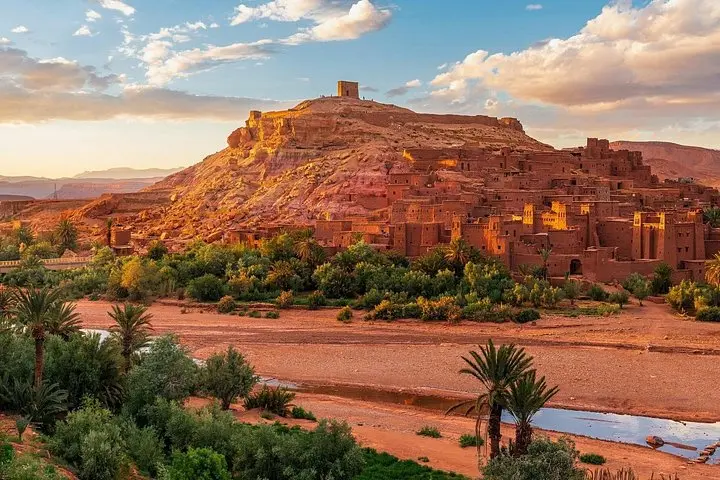
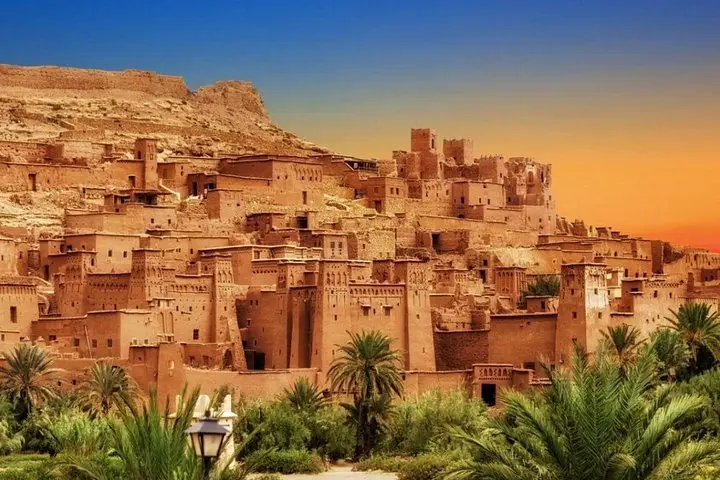
Departing Marrakech before dawn, the road climbs into the High Atlas where sunlight slices across rocky ridges and the Tizi n'Tichka pass opens in a long sequence of hairpins. The drive itself feels like a slow reveal: villages cluster like punctuation on the valley floor, and the wind scours the slopes, daring you to look farther. By midday you’re threading the streets of Ait Ben Haddou, its earthen towers rising from the plain, and later you’ll see the film studios and broad desert approaches of Ouarzazate.
Verified experiences and guided adventures in the surrounding area.
Operated by Starry Morocco Tours · Ouarzazate, Drâa-Tafilalet
Departing Marrakech before dawn, the road climbs into the High Atlas where sunlight slices across rocky ridges and the Tizi n'Tichka pass opens in a long sequence of hairpins. The drive itself feels like a slow reveal: villages cluster like punctuation on the valley floor, and the wind scours the slopes, daring you to look farther. By midday you’re threading the streets of Ait Ben Haddou, its earthen towers rising from the plain, and later you’ll see the film studios and broad desert approaches of Ouarzazate.
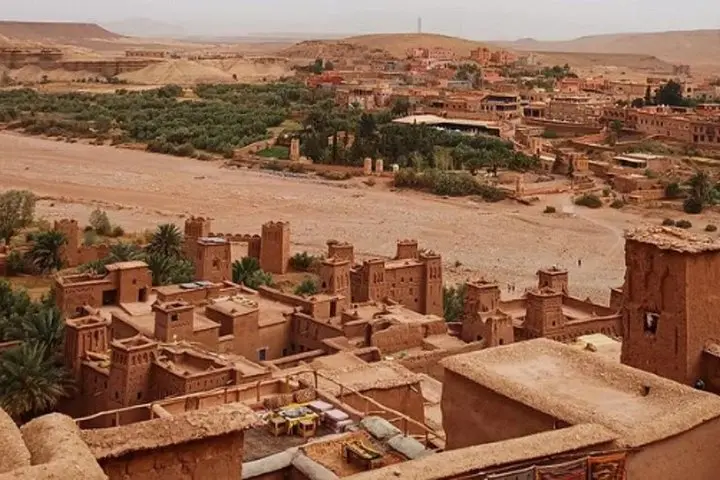
Ait Ben Haddou is a UNESCO-listed ksar—a fortified village of mud-brick (pisé) architecture that grew along trans-Saharan trade routes. The High Atlas is geologically young, heaved up by the collision of the African and Eurasian plates; the result is folded limestone and volcanic outcrops that shape dramatic drainage and plateaus like the Tichka. Berber culture is present in roadside markets, kasbah ruins, and the small villages where agriculture clings to irrigated terraces.
Practically, this is a long day of travel with short, often uneven walks on packed earth and stone steps. Comfortable, broken-in footwear and sun protection matter more than athletic conditioning. Expect frequent photo stops and opportunities to talk with local guides about kasbah construction and film-set history. Bring cash for small purchases, and plan for a mix of warm sun in the valleys and gusty winds at altitude. The itinerary balances sightseeing with time to explore, but keep expectations realistic: the route is scenic, the walking is short, and the cultural payoff—ancient walls, cinematic vistas, and Atlas panoramas—makes the day feel earned.
The trip runs about 11 hours and typically starts with pickup from accommodations in Marrakech in the early morning.
No significant hiking—expect short walks on uneven, stepped paths up through the ksar; mobility limitations should be considered for steeper sections.
Entrance to Ait Ben Haddou is usually not included; bring local currency for admission, optional guides, and purchases.
Yes—photography is allowed in public areas; be respectful around residents and ask before photographing people or private property.
Starry Morocco Tours operates guided outdoor trips and adventures with an emphasis on safety, stewardship, and memorable experiences.
Departing Marrakech before dawn, the road climbs into the High Atlas where sunlight slices across rocky ridges and the Tizi n'Tichka pass opens in a long sequence of hairpins. The drive itself feels like a slow reveal: villages cluster like punctuation on the valley floor, and the wind scours the slopes, daring you to look farther. By midday you’re threading the streets of Ait Ben Haddou, its earthen towers rising from the plain, and later you’ll see the film studios and broad desert approaches of Ouarzazate.
Departing Marrakech before dawn, the road climbs into the High Atlas where sunlight slices across rocky ridges and the Tizi n'Tichka pass opens in a long sequence of hairpins. The drive itself feels like a slow reveal: villages cluster like punctuation on the valley floor, and the wind scours the slopes, daring you to look farther. By midday you’re threading the streets of Ait Ben Haddou, its earthen towers rising from the plain, and later you’ll see the film studios and broad desert approaches of Ouarzazate.
Ait Ben Haddou is a UNESCO-listed ksar—a fortified village of mud-brick (pisé) architecture that grew along trans-Saharan trade routes. The High Atlas is geologically young, heaved up by the collision of the African and Eurasian plates; the result is folded limestone and volcanic outcrops that shape dramatic drainage and plateaus like the Tichka. Berber culture is present in roadside markets, kasbah ruins, and the small villages where agriculture clings to irrigated terraces.
Practically, this is a long day of travel with short, often uneven walks on packed earth and stone steps. Comfortable, broken-in footwear and sun protection matter more than athletic conditioning. Expect frequent photo stops and opportunities to talk with local guides about kasbah construction and film-set history. Bring cash for small purchases, and plan for a mix of warm sun in the valleys and gusty winds at altitude. The itinerary balances sightseeing with time to explore, but keep expectations realistic: the route is scenic, the walking is short, and the cultural payoff—ancient walls, cinematic vistas, and Atlas panoramas—makes the day feel earned.