THE ADVENTURE COLLECTIVE® · Independent discovery and booking for outdoor travel

A full-day private drive from Marrakech across the High Atlas to the UNESCO ksar of Ait Ben Haddou and the film hub of Ouarzazate. Expect long scenic drives, earthen kasbahs, and behind-the-scenes film-studio stops with a local guide.
A full-day private drive from Marrakech across the High Atlas to the UNESCO ksar of Ait Ben Haddou and the film hub of Ouarzazate. Expect long scenic drives, earthen kasbahs, and behind-the-scenes film-studio stops with a local guide.
You leave Marrakech before the city heats up, climbing the High Atlas where the road tightens and the air thins at Tizi n’Tichka. Wind-scrubbed scrub and terraced fields give way to ochre valleys; after roughly four hours of winding asphalt you arrive at the stacked, sun-baked towers of Ait Ben Haddou, its mud-brick facades catching late-morning light.
Verified experiences and guided adventures in the surrounding area.
Operated by Todo marruecos · Ait Ben Haddou, Drâa-Tafilalet
You leave Marrakech before the city heats up, climbing the High Atlas where the road tightens and the air thins at Tizi n’Tichka. Wind-scrubbed scrub and terraced fields give way to ochre valleys; after roughly four hours of winding asphalt you arrive at the stacked, sun-baked towers of Ait Ben Haddou, its mud-brick facades catching late-morning light.
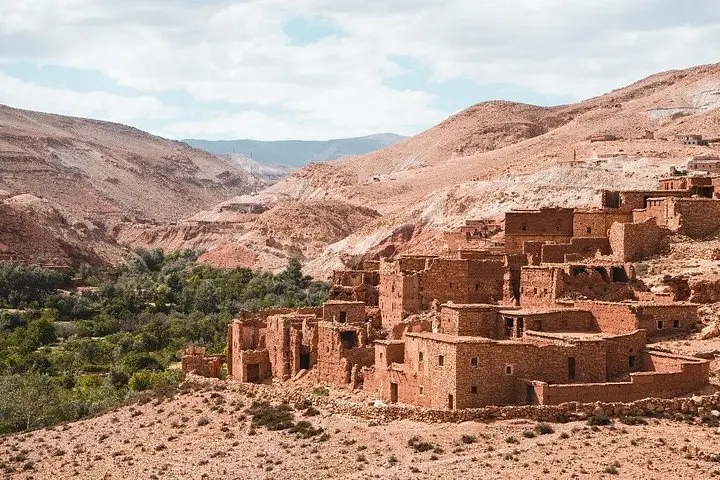
Ait Ben Haddou is a living example of southern Moroccan earthen architecture and a UNESCO World Heritage site. The ksar grew along old trans-Saharan trade routes; its fortified homes and narrow alleys reflect centuries of caravan commerce and local craft. Geologically, the region is a transition between the High Atlas’ granitic spine and the alluvial plains that slope toward the Sahara—you’ll notice the change in soil, color, and plant life as you descend toward Ouarzazate.
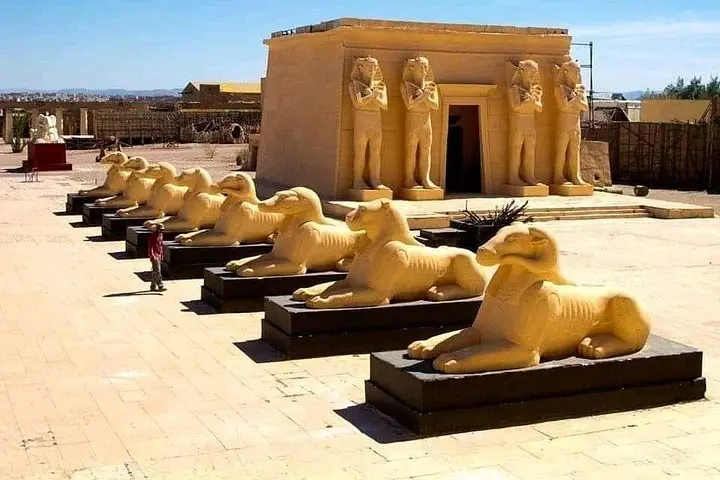
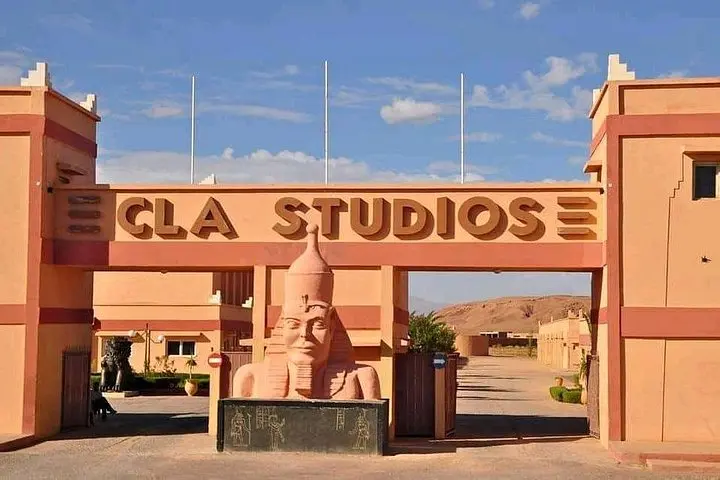
Culturally the day blends Berber hospitality with modern film lore: the Atlas Studios and Taourirt Kasbah in Ouarzazate are where directors have staged deserts and dynasties. Local guides can point out original film sets, traditional kasbah construction techniques, and small tea stalls where families still repair clay roofs.
Practical notes: expect about 9 hours total, long periods in the vehicle, and short, uneven walks at sites—stone steps and packed-earth paths are common. Bring sun protection, water, and small change for onsite vendors and photos. If you prefer less walking, confirm accessibility options when you book; private pickup from Marrakech hotels is standard. Timing your visit for early morning or late afternoon light gives the best photos and cooler walking conditions.
Yes—this private tour typically includes hotel or riad pickup in Marrakech; confirm your pickup point when booking.
Entrance fees for specific attractions and lunch are usually not included—bring cash or ask the operator to add these options when booking.
Generally yes, but the Tizi n’Tichka pass can see snow or icy patches after heavy weather; operators will advise if conditions affect the itinerary.
Atlas Studios is a common stop; access and exhibition availability vary, and there may be a separate entry fee—check opening hours ahead.
Todo marruecos operates guided outdoor trips and adventures with an emphasis on safety, stewardship, and memorable experiences.
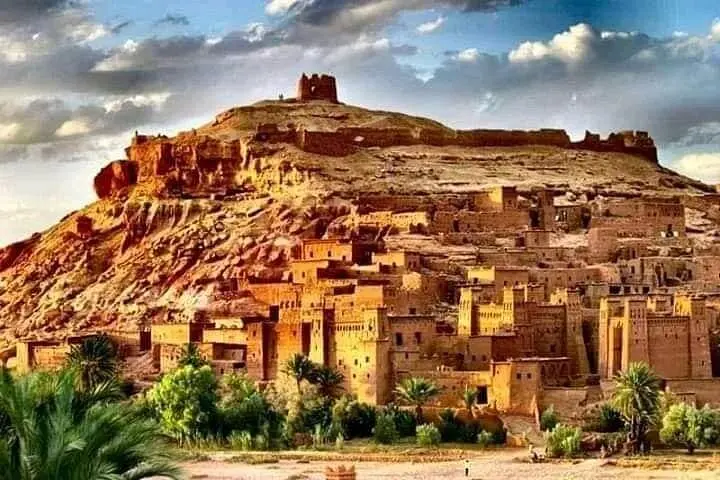
You leave Marrakech before the city heats up, climbing the High Atlas where the road tightens and the air thins at Tizi n’Tichka. Wind-scrubbed scrub and terraced fields give way to ochre valleys; after roughly four hours of winding asphalt you arrive at the stacked, sun-baked towers of Ait Ben Haddou, its mud-brick facades catching late-morning light.
You leave Marrakech before the city heats up, climbing the High Atlas where the road tightens and the air thins at Tizi n’Tichka. Wind-scrubbed scrub and terraced fields give way to ochre valleys; after roughly four hours of winding asphalt you arrive at the stacked, sun-baked towers of Ait Ben Haddou, its mud-brick facades catching late-morning light.
Ait Ben Haddou is a living example of southern Moroccan earthen architecture and a UNESCO World Heritage site. The ksar grew along old trans-Saharan trade routes; its fortified homes and narrow alleys reflect centuries of caravan commerce and local craft. Geologically, the region is a transition between the High Atlas’ granitic spine and the alluvial plains that slope toward the Sahara—you’ll notice the change in soil, color, and plant life as you descend toward Ouarzazate.
Culturally the day blends Berber hospitality with modern film lore: the Atlas Studios and Taourirt Kasbah in Ouarzazate are where directors have staged deserts and dynasties. Local guides can point out original film sets, traditional kasbah construction techniques, and small tea stalls where families still repair clay roofs.
Practical notes: expect about 9 hours total, long periods in the vehicle, and short, uneven walks at sites—stone steps and packed-earth paths are common. Bring sun protection, water, and small change for onsite vendors and photos. If you prefer less walking, confirm accessibility options when you book; private pickup from Marrakech hotels is standard. Timing your visit for early morning or late afternoon light gives the best photos and cooler walking conditions.