THE ADVENTURE COLLECTIVE® · Independent discovery and booking for outdoor travel

Escape Marrakech for a full-day private drive through the High Atlas to two of southern Morocco’s most evocative kasbahs—Aït Benhaddou, a UNESCO ksar, and the ornate Kasbah Telouet. Expect dramatic desert-edge scenery, historic architecture, and a long but manageable day of walking and photography.
Escape Marrakech for a full-day private drive through the High Atlas to two of southern Morocco’s most evocative kasbahs—Aït Benhaddou, a UNESCO ksar, and the ornate Kasbah Telouet. Expect dramatic desert-edge scenery, historic architecture, and a long but manageable day of walking and photography.
The road peels away from Marrakech at dawn, the Atlas foothills unfolding like a geological ledger—ochre folds, red clay scars, and the occasional palm oasis. By mid-morning the earthen silhouette of Aït Benhaddou rises above the valley: clustered kasbahs of rammed earth and cedar roofs catching light like a living model of premodern trade-route architecture.
Verified experiences and guided adventures in the surrounding area.
Operated by Tilila Travel · Aït Benhaddou, Marrakesh-Safi
The road peels away from Marrakech at dawn, the Atlas foothills unfolding like a geological ledger—ochre folds, red clay scars, and the occasional palm oasis. By mid-morning the earthen silhouette of Aït Benhaddou rises above the valley: clustered kasbahs of rammed earth and cedar roofs catching light like a living model of premodern trade-route architecture.
Aït Benhaddou is a UNESCO-listed ksar whose compact alleys and defensive towers recall centuries of caravan traffic between the Sahara and Marrakech. Further into the High Atlas, Telouet’s former Glaoui palace tells a different story: 19th–20th century opulence layered over older Berber structures, with carved stucco, zellige tilework, and painted cedar ceilings—traces of regional power and the salt trade.
Geology here matters; the stratified Atlas creates passes that funneled commerce and culture. Local Berber communities still tend terraced fields and sell pottery and woven goods at roadside stops, offering a living link to the sites. The landscape can feel active—the wind pushing dust along riverbeds, the sun testing shade.
Practical guidance: expect a long day (10–12 hours) with several walking stops on uneven, dusty surfaces and short climbs to viewpoints; comfortable walking shoes and sun protection are essential. Bring water, a light layer for mountain breezes, and some local currency for small purchases or admissions where indicated. The tour is private and includes hotel pickup, making logistics straightforward for travelers based in Marrakech.
The drive is about 3–4 hours each way depending on traffic and route, with scenic mountain passages and stops en route.
This tour includes admission for Aït Benhaddou; Telouet admission may not be included—confirm with the operator before booking.
Short walks are required on uneven ground and stairs; it’s generally suitable for children but not recommended for those with serious mobility limitations or recent spinal issues.
As a private tour, timing and stops are often flexible—discuss any specific interests or mobility needs with the guide when booking.
Tilila Travel operates guided outdoor trips and adventures with an emphasis on safety, stewardship, and memorable experiences.
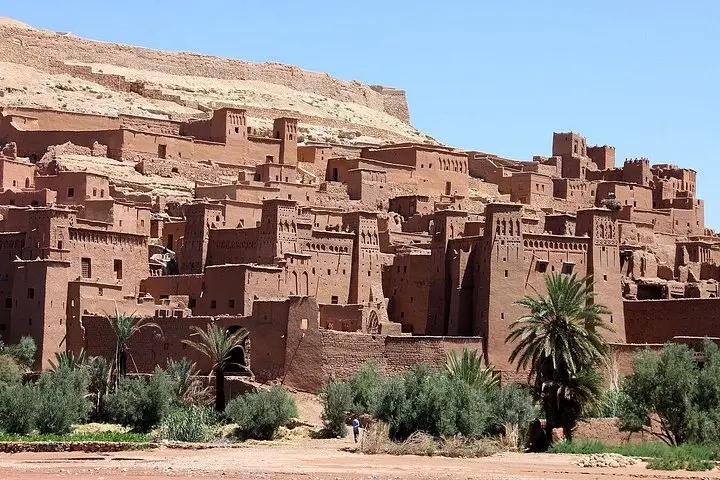
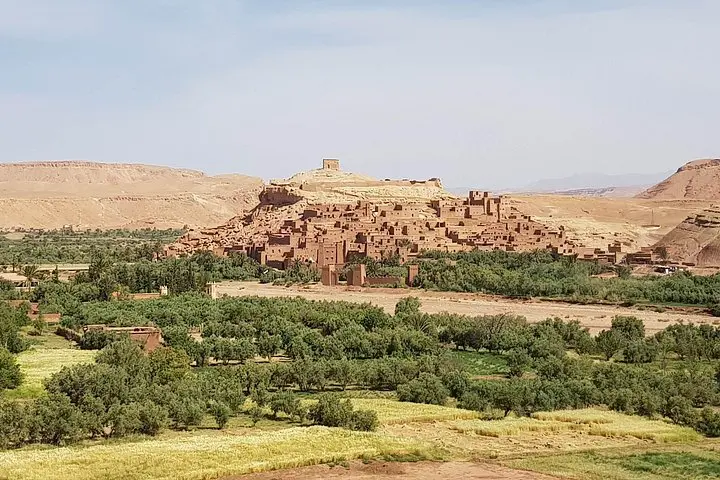
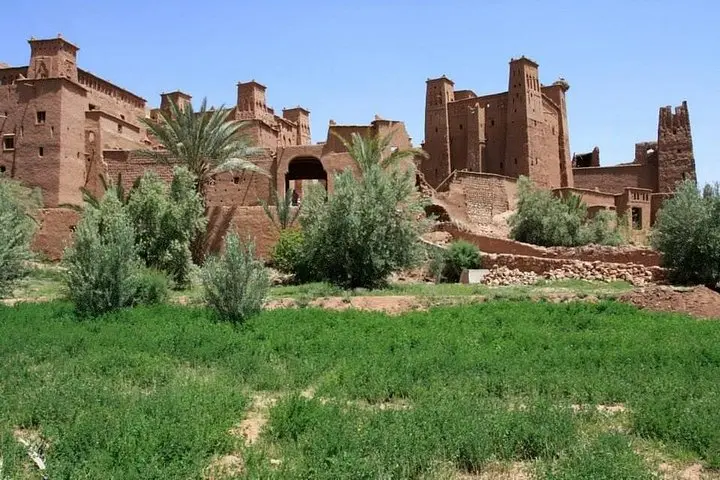
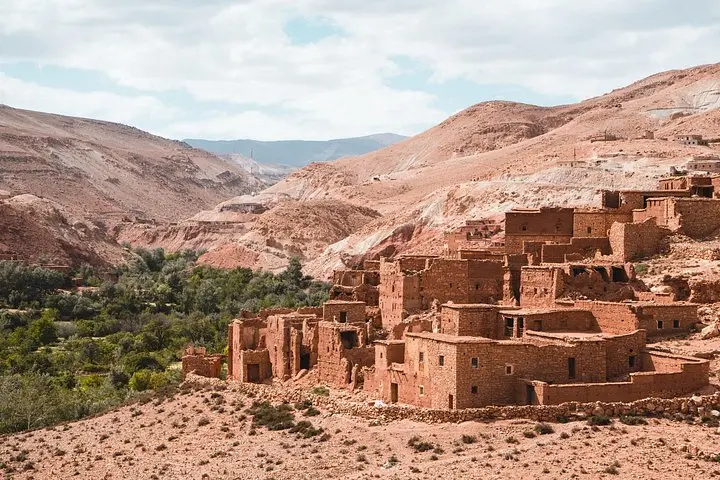
The road peels away from Marrakech at dawn, the Atlas foothills unfolding like a geological ledger—ochre folds, red clay scars, and the occasional palm oasis. By mid-morning the earthen silhouette of Aït Benhaddou rises above the valley: clustered kasbahs of rammed earth and cedar roofs catching light like a living model of premodern trade-route architecture.
The road peels away from Marrakech at dawn, the Atlas foothills unfolding like a geological ledger—ochre folds, red clay scars, and the occasional palm oasis. By mid-morning the earthen silhouette of Aït Benhaddou rises above the valley: clustered kasbahs of rammed earth and cedar roofs catching light like a living model of premodern trade-route architecture.
Aït Benhaddou is a UNESCO-listed ksar whose compact alleys and defensive towers recall centuries of caravan traffic between the Sahara and Marrakech. Further into the High Atlas, Telouet’s former Glaoui palace tells a different story: 19th–20th century opulence layered over older Berber structures, with carved stucco, zellige tilework, and painted cedar ceilings—traces of regional power and the salt trade.
Geology here matters; the stratified Atlas creates passes that funneled commerce and culture. Local Berber communities still tend terraced fields and sell pottery and woven goods at roadside stops, offering a living link to the sites. The landscape can feel active—the wind pushing dust along riverbeds, the sun testing shade.
Practical guidance: expect a long day (10–12 hours) with several walking stops on uneven, dusty surfaces and short climbs to viewpoints; comfortable walking shoes and sun protection are essential. Bring water, a light layer for mountain breezes, and some local currency for small purchases or admissions where indicated. The tour is private and includes hotel pickup, making logistics straightforward for travelers based in Marrakech.