THE ADVENTURE COLLECTIVE® · Independent discovery and booking for outdoor travel

Make the most of a full day and trade Marrakech’s ochre alleys for Casablanca’s Atlantic edge. This guided day trip highlights Hassan II Mosque, colonial-era landmarks and a breezy La Corniche stroll—ideal for time-tight travelers wanting a curated city snapshot.
Make the most of a full day and trade Marrakech’s ochre alleys for Casablanca’s Atlantic edge. This guided day trip highlights Hassan II Mosque, colonial-era landmarks and a breezy La Corniche stroll—ideal for time-tight travelers wanting a curated city snapshot.
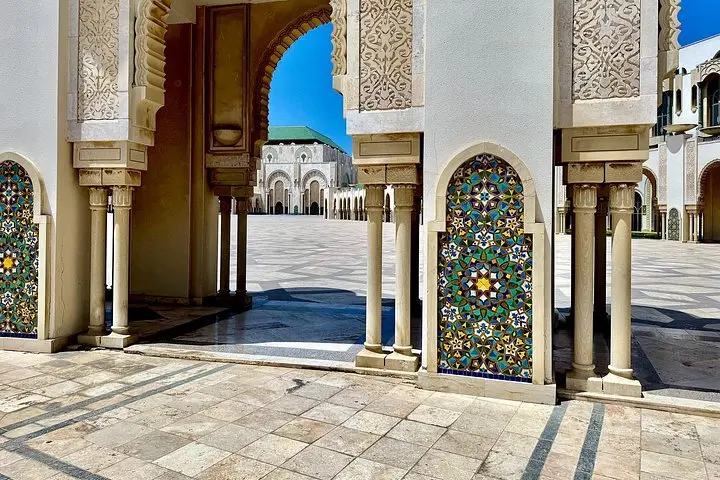
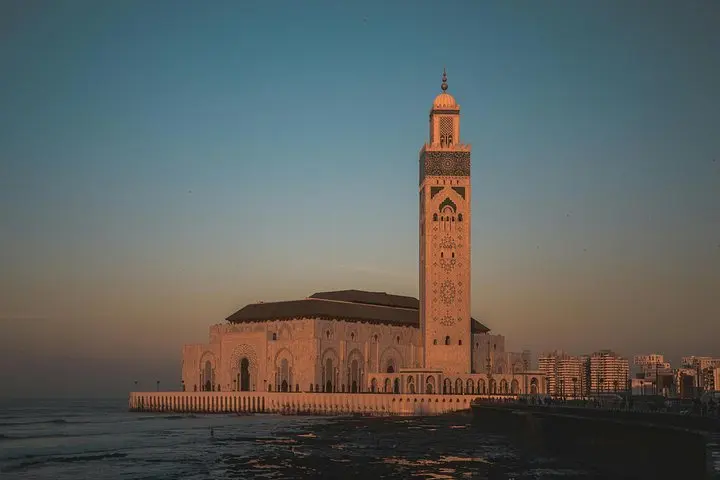
You step out of the air-conditioned van with salt in the air and the Atlantic already doing its slow, steady work against the city’s seawall. Casablanca’s wide avenues and the mosque’s minaret—rising from the coastline—immediately rearrange the map in your head: this is a coastal city shaped by trade, modernist planning and an openness to the ocean.
Verified experiences and guided adventures in the surrounding area.
Operated by Tours Of Hassan · Casablanca, Casablanca-Settat
You step out of the air-conditioned van with salt in the air and the Atlantic already doing its slow, steady work against the city’s seawall. Casablanca’s wide avenues and the mosque’s minaret—rising from the coastline—immediately rearrange the map in your head: this is a coastal city shaped by trade, modernist planning and an openness to the ocean.
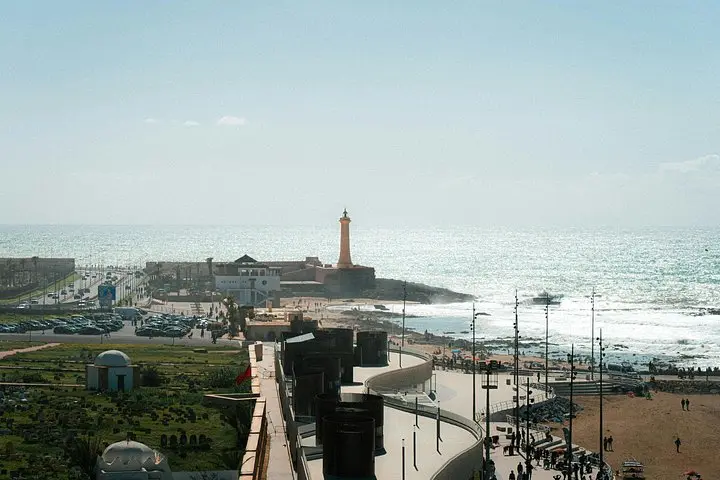
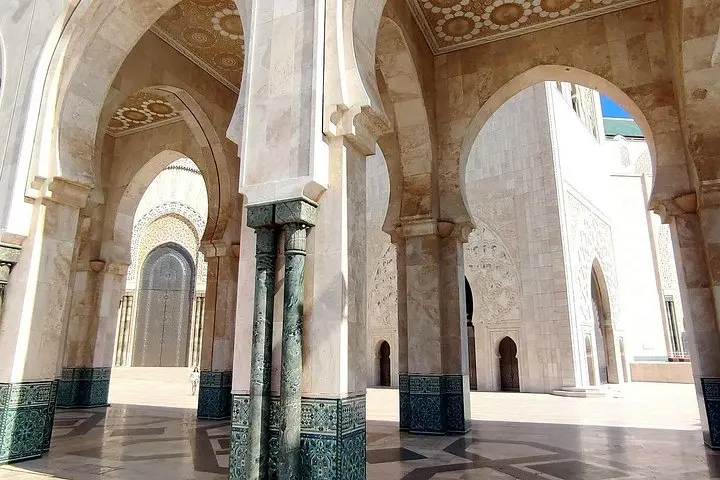
Casablanca grew as Morocco’s commercial engine under French influence in the 20th century; the Sacred Heart Cathedral and Mohammed V Square reflect that colonial-era civic architecture, while the Hassan II Mosque, completed in 1993, is a more recent national statement built partially over the sea. Geologically the coast is a band of sandy beaches and rocky outcrops; the ocean winds sculpt La Corniche’s promenades and seaside cafés.
Culturally, Casablanca is less about narrow medina alleys and more about public life—oceanfront strolls, cafés, and busy squares. Expect a compact tour rhythm: photo stops, a curated exterior view of the mosque (interior access optional), a short cathedral and square visit, then free time for lunch and a walk along La Corniche.
Practically, this is a long day—plan for 9–12 hours round trip from Marrakech. Bring a passport if you might enter the mosque, dress modestly for religious sites, and keep small change for taxis and cafés. Hydrate on the drive and time breaks to avoid peak traffic leaving Casablanca. With a sensible pace, the trip converts a day into a clear, layered introduction to Morocco’s Atlantic face—historic, modern, and maritime.
The standard itinerary includes an exterior visit; interior access is optional and usually requires an entrance fee and presenting ID.
Lunch is typically not included—there is scheduled free time to eat at local restaurants; private tours may offer specific lunch options such as Rick’s Café.
Most tours offer hotel pickup within central Marrakech; you’ll select or confirm a pickup point during booking.
Yes—transport is by air-conditioned vehicle and walking is limited; however, long travel time can be tiring for very young children or those with mobility issues.
Tours Of Hassan operates guided outdoor trips and adventures with an emphasis on safety, stewardship, and memorable experiences.
You step out of the air-conditioned van with salt in the air and the Atlantic already doing its slow, steady work against the city’s seawall. Casablanca’s wide avenues and the mosque’s minaret—rising from the coastline—immediately rearrange the map in your head: this is a coastal city shaped by trade, modernist planning and an openness to the ocean.
You step out of the air-conditioned van with salt in the air and the Atlantic already doing its slow, steady work against the city’s seawall. Casablanca’s wide avenues and the mosque’s minaret—rising from the coastline—immediately rearrange the map in your head: this is a coastal city shaped by trade, modernist planning and an openness to the ocean.
Casablanca grew as Morocco’s commercial engine under French influence in the 20th century; the Sacred Heart Cathedral and Mohammed V Square reflect that colonial-era civic architecture, while the Hassan II Mosque, completed in 1993, is a more recent national statement built partially over the sea. Geologically the coast is a band of sandy beaches and rocky outcrops; the ocean winds sculpt La Corniche’s promenades and seaside cafés.
Culturally, Casablanca is less about narrow medina alleys and more about public life—oceanfront strolls, cafés, and busy squares. Expect a compact tour rhythm: photo stops, a curated exterior view of the mosque (interior access optional), a short cathedral and square visit, then free time for lunch and a walk along La Corniche.
Practically, this is a long day—plan for 9–12 hours round trip from Marrakech. Bring a passport if you might enter the mosque, dress modestly for religious sites, and keep small change for taxis and cafés. Hydrate on the drive and time breaks to avoid peak traffic leaving Casablanca. With a sensible pace, the trip converts a day into a clear, layered introduction to Morocco’s Atlantic face—historic, modern, and maritime.