THE ADVENTURE COLLECTIVE® · Independent discovery and booking for outdoor travel

A two-week loop from Marrakech across the High Atlas to Erg Chigaga and back to the Atlantic, this trip pairs easy mountain walks, oasis visits, desert camping, and coastal relaxation. Expect cultural homestays, off-road drives, and varied terrain from shaded valleys to wind-carved dunes.
A two-week loop from Marrakech across the High Atlas to Erg Chigaga and back to the Atlantic, this trip pairs easy mountain walks, oasis visits, desert camping, and coastal relaxation. Expect cultural homestays, off-road drives, and varied terrain from shaded valleys to wind-carved dunes.
The day begins in Marrakech with air that tastes of spices and diesel; within hours the city walls give way to hairpin roads that climb the High Atlas. Travelers leave the red city behind, trading scooter noise for bleating goats on terraces and the hush of cedar-scented ravines as they arrive in Imlil and set out on a 3–4 hour guided walk through the valley toward Armed village.
Verified experiences and guided adventures in the surrounding area.
Operated by Desertbrise Travel · Marrakech, Marrakech-Safi
The day begins in Marrakech with air that tastes of spices and diesel; within hours the city walls give way to hairpin roads that climb the High Atlas. Travelers leave the red city behind, trading scooter noise for bleating goats on terraces and the hush of cedar-scented ravines as they arrive in Imlil and set out on a 3–4 hour guided walk through the valley toward Armed village.
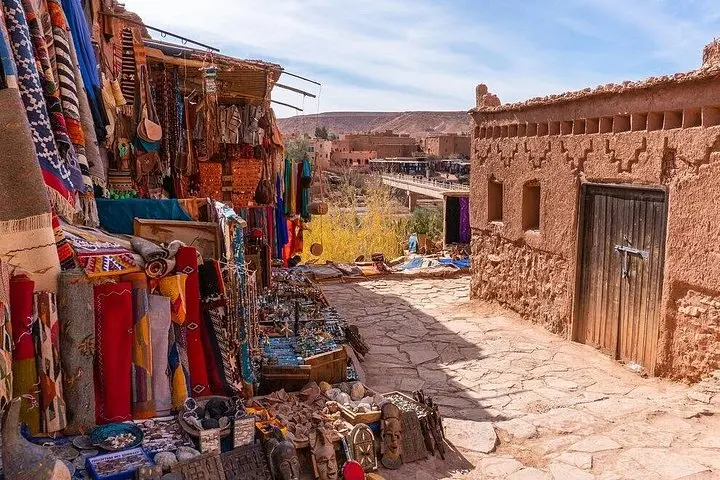
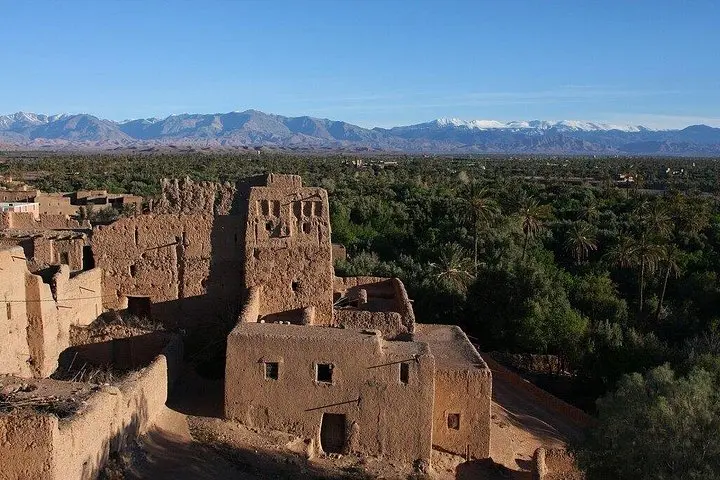
This route threads history and geology: the High Atlas is young, folded rock thrust up by the African and Eurasian plates, while mud-brick ksour, like Aït Benhaddou, carry centuries of caravan trade and Saadian-era architecture. Southward, the land thins into the Draa palm groves, a living agricultural corridor sustained by ancient irrigation. In the deep south, Erg Chigaga’s dunes—reached after a 65 km off-road jeep transfer—are wind-sculpted sands that change color with light and demand respect for fragile desert life.
Expect varied terrain: gravel mountain tracks, shaded valley paths with modest 300–600 m elevation changes on day hikes, and soft sand underfoot in the dunes. Cultural encounters are constant—Berber family meals, pottery workshops in Tamegroute, and nomadic demonstrations in the regs.
Practical notes: travel with layered clothing for large diurnal swings, carry 2–3 liters of water on active days, and use sturdy trekking shoes with good traction for mixed rock and loose scree. Timing matters—spring and autumn offer the most comfortable hiking temperatures; summer delivers intense heat in lowland and desert stretches. Respect local customs, conserve water, and ask before photographing people.
Most days include short to moderate walks—typically 2–4 hours in the Imlil Valley and short explorations in oasis towns; long transfers are by vehicle.
Accommodations range from riads and hotels in towns to simple desert camps; expect basic but clean facilities in the desert with communal dining.
Yes—the itinerary notes accessibility and suitability for various fitness levels, though desert transfers and overnight camps may be best for children accustomed to travel.
Visa requirements depend on nationality; routine vaccinations recommended—check with your healthcare provider and Morocco’s entry rules ahead of travel.
Desertbrise Travel operates guided outdoor trips and adventures with an emphasis on safety, stewardship, and memorable experiences.
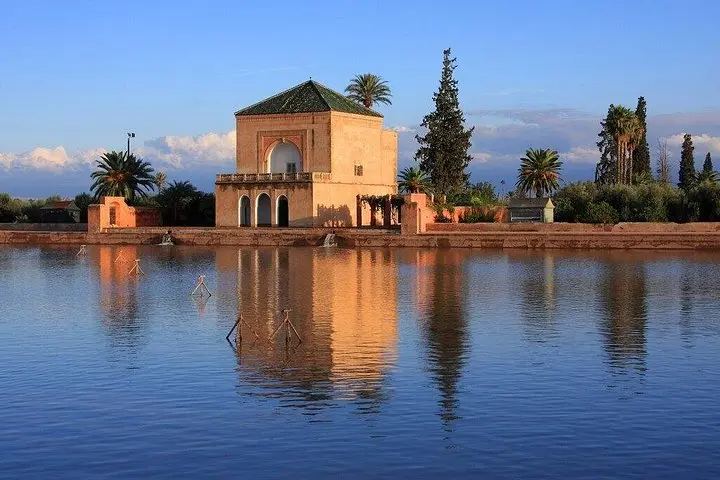
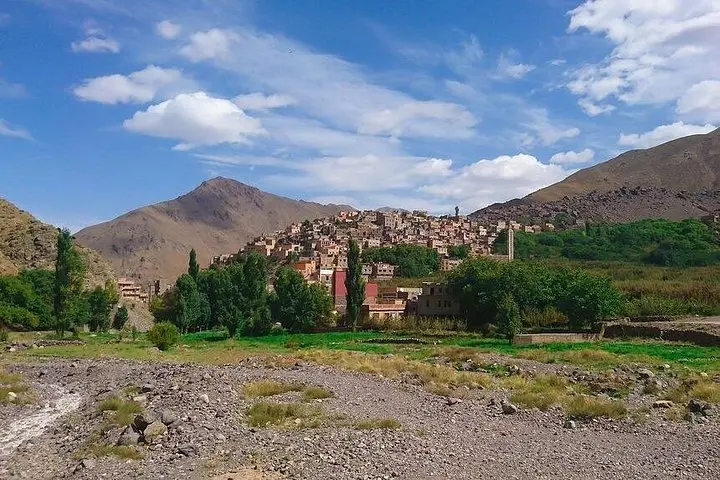
The day begins in Marrakech with air that tastes of spices and diesel; within hours the city walls give way to hairpin roads that climb the High Atlas. Travelers leave the red city behind, trading scooter noise for bleating goats on terraces and the hush of cedar-scented ravines as they arrive in Imlil and set out on a 3–4 hour guided walk through the valley toward Armed village.
The day begins in Marrakech with air that tastes of spices and diesel; within hours the city walls give way to hairpin roads that climb the High Atlas. Travelers leave the red city behind, trading scooter noise for bleating goats on terraces and the hush of cedar-scented ravines as they arrive in Imlil and set out on a 3–4 hour guided walk through the valley toward Armed village.
This route threads history and geology: the High Atlas is young, folded rock thrust up by the African and Eurasian plates, while mud-brick ksour, like Aït Benhaddou, carry centuries of caravan trade and Saadian-era architecture. Southward, the land thins into the Draa palm groves, a living agricultural corridor sustained by ancient irrigation. In the deep south, Erg Chigaga’s dunes—reached after a 65 km off-road jeep transfer—are wind-sculpted sands that change color with light and demand respect for fragile desert life.
Expect varied terrain: gravel mountain tracks, shaded valley paths with modest 300–600 m elevation changes on day hikes, and soft sand underfoot in the dunes. Cultural encounters are constant—Berber family meals, pottery workshops in Tamegroute, and nomadic demonstrations in the regs.
Practical notes: travel with layered clothing for large diurnal swings, carry 2–3 liters of water on active days, and use sturdy trekking shoes with good traction for mixed rock and loose scree. Timing matters—spring and autumn offer the most comfortable hiking temperatures; summer delivers intense heat in lowland and desert stretches. Respect local customs, conserve water, and ask before photographing people.