THE ADVENTURE COLLECTIVE® · Independent discovery and booking for outdoor travel

Four days from Marrakech to Erg Chigaga trace mountain passes, palm-lined oases and the remote Sahara. Expect long drives, sunrise camel-treks and nights in desert camps under open sky.
Four days from Marrakech to Erg Chigaga trace mountain passes, palm-lined oases and the remote Sahara. Expect long drives, sunrise camel-treks and nights in desert camps under open sky.
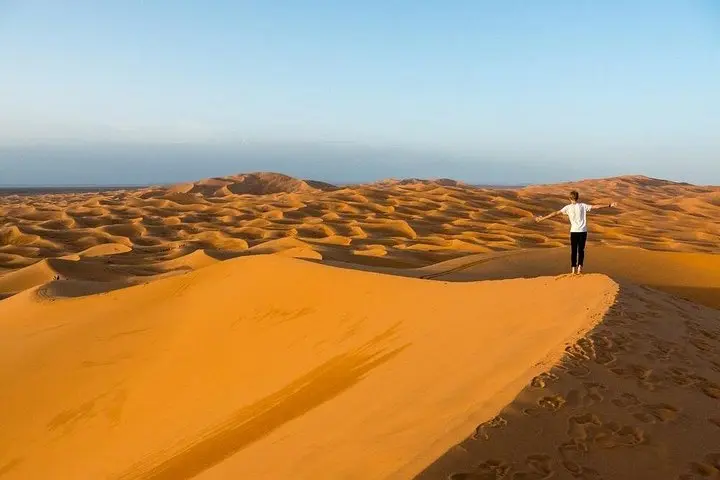
By dawn the road unravels east from Marrakech, climbing the Tizi n’Tichka and shedding city noise piece by piece. The Atlas Mountains give way to plateaus and then the scrub of the anti-Atlas; after hours of sun-baked scenery the land opens into the long palm-lined Draa Valley and eventually the remote expanse of Erg Chigaga. The dunes here shift and dare you—wind-carved ridges that change color with the light and hold a silence different from any city evening.
Verified experiences and guided adventures in the surrounding area.
Operated by Time Out travel · M'Hamid, Drâa-Tafilalet
By dawn the road unravels east from Marrakech, climbing the Tizi n’Tichka and shedding city noise piece by piece. The Atlas Mountains give way to plateaus and then the scrub of the anti-Atlas; after hours of sun-baked scenery the land opens into the long palm-lined Draa Valley and eventually the remote expanse of Erg Chigaga. The dunes here shift and dare you—wind-carved ridges that change color with the light and hold a silence different from any city evening.
This route follows ancient caravan corridors used by salt and date traders; the landscape records geological time in fossil-strewn outcrops and wind-polished hammada rock. Culture is visible in mud-brick kasbahs, the hand-loomed rugs of Taznakht and the small Quranic library at Tamgroute—places where Berber and Arab influences meet. Local nomad families still move herds seasonally, and evening campfires keep oral stories and Gnawa music alive.
Practical side: expect long drives (several 3–7 hour segments), basic but comfortable desert camps with private tents or upgrades to deluxe options, and a short camel trek timed for sunset. Temperatures swing widely—hot by day, cold at night—so pack layers, sun protection and a headlamp. Hydration and sun safety are essential; if you’re prone to motion sickness, choose seats toward the front of the vehicle. Toilets in the dunes are basic; bring hand sanitizer and biodegradable wipes. With minimal fitness requirements, this tour is best for travelers ready for early starts, open skies and a preference for experiential, low-impact travel.
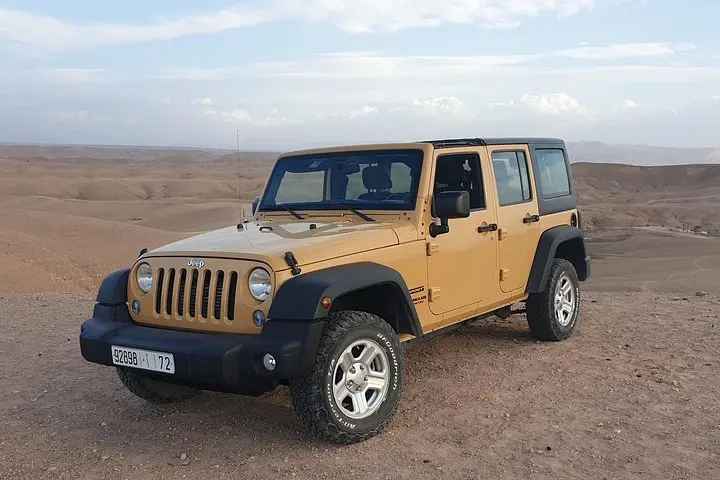
Expect several long driving legs: day 1 and day 3 include 4–7 hour drives across mountain passes and desert tracks with stops for photos and meals.
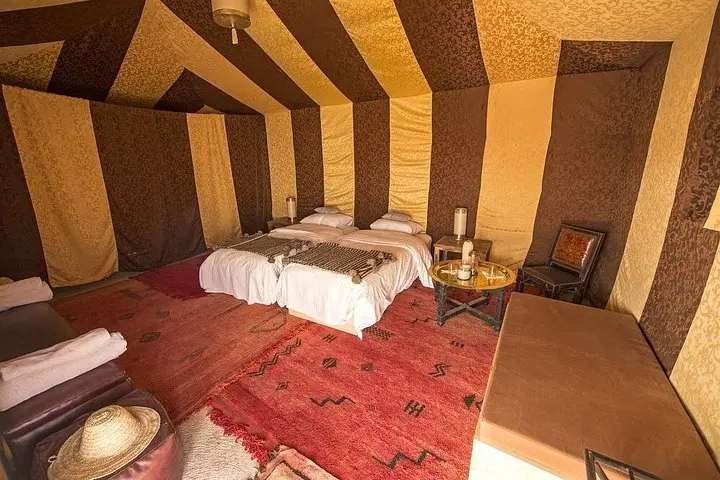
Camps range from private traditional tents to upgraded deluxe tents; facilities are generally simple but comfortable—confirm the level when booking.
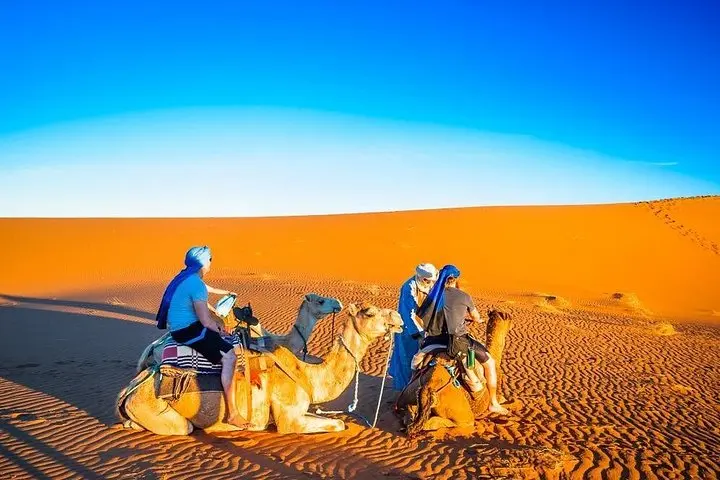
Camel rides are short and gentle—saddles are used and guides help beginners; those with serious back problems should avoid it.
No special permits are required for tourists; carry ID, your booking confirmation and any medical information during the trip.
Time Out travel operates guided outdoor trips and adventures with an emphasis on safety, stewardship, and memorable experiences.
By dawn the road unravels east from Marrakech, climbing the Tizi n’Tichka and shedding city noise piece by piece. The Atlas Mountains give way to plateaus and then the scrub of the anti-Atlas; after hours of sun-baked scenery the land opens into the long palm-lined Draa Valley and eventually the remote expanse of Erg Chigaga. The dunes here shift and dare you—wind-carved ridges that change color with the light and hold a silence different from any city evening.
By dawn the road unravels east from Marrakech, climbing the Tizi n’Tichka and shedding city noise piece by piece. The Atlas Mountains give way to plateaus and then the scrub of the anti-Atlas; after hours of sun-baked scenery the land opens into the long palm-lined Draa Valley and eventually the remote expanse of Erg Chigaga. The dunes here shift and dare you—wind-carved ridges that change color with the light and hold a silence different from any city evening.
This route follows ancient caravan corridors used by salt and date traders; the landscape records geological time in fossil-strewn outcrops and wind-polished hammada rock. Culture is visible in mud-brick kasbahs, the hand-loomed rugs of Taznakht and the small Quranic library at Tamgroute—places where Berber and Arab influences meet. Local nomad families still move herds seasonally, and evening campfires keep oral stories and Gnawa music alive.
Practical side: expect long drives (several 3–7 hour segments), basic but comfortable desert camps with private tents or upgrades to deluxe options, and a short camel trek timed for sunset. Temperatures swing widely—hot by day, cold at night—so pack layers, sun protection and a headlamp. Hydration and sun safety are essential; if you’re prone to motion sickness, choose seats toward the front of the vehicle. Toilets in the dunes are basic; bring hand sanitizer and biodegradable wipes. With minimal fitness requirements, this tour is best for travelers ready for early starts, open skies and a preference for experiential, low-impact travel.