THE ADVENTURE COLLECTIVE® · Independent discovery and booking for outdoor travel

Take a full-day private transfer from Marrakech to Essaouira to explore the Portuguese-era Mogador fortress, browse the medina, visit an argan cooperative and walk the Atlantic beach. This trip blends coastal geology, living craft traditions and leisurely seaside strolling.
Take a full-day private transfer from Marrakech to Essaouira to explore the Portuguese-era Mogador fortress, browse the medina, visit an argan cooperative and walk the Atlantic beach. This trip blends coastal geology, living craft traditions and leisurely seaside strolling.
You arrive on the Atlantic as the minivan eases into Essaouira’s harbor, gulls cutting across the wind as fishing boats rock against stone. The sea seems to pull the city toward itself — the ramparts of the old Portuguese fortress facing salt and swell, the medina’s whitewashed walls catching light.
Verified experiences and guided adventures in the surrounding area.
Operated by Malakane travel · Essaouira, Marrakesh-Safi
You arrive on the Atlantic as the minivan eases into Essaouira’s harbor, gulls cutting across the wind as fishing boats rock against stone. The sea seems to pull the city toward itself — the ramparts of the old Portuguese fortress facing salt and swell, the medina’s whitewashed walls catching light.
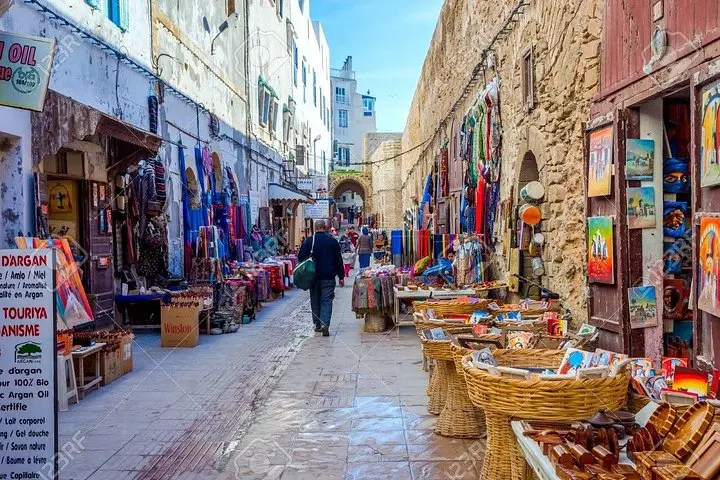
Essaouira (old Mogador) wore many hands: a 16th-century Portuguese outpost, later reworked by 18th-century Moroccan architects under Sultan Mohammed ben Abdallah who opened the port to trade. Geologically, the coastline is a mix of limestone cliffs and sandy spits shaped by strong onshore winds; those same winds sculpt the city’s surfing conditions and the argan trees on the nearby plains. Culturally, Essaouira’s medina is a quieter counterpoint to Marrakech — broad streets, a historic Jewish Mellah, and a long market of silversmiths and fishmongers around the port where you can watch nets being hauled.
On a private day tour you can walk the Skala ramparts, visit an argan cooperative to see traditional pressing, then stretch along a broad beach where Atlantic breakers dare you to approach. Expect 10–12 hours with hotel pickup in Marrakech and plenty of walking on cobbles and sand.
Practical tips: wear sturdy shoes for cobbled lanes, bring sun protection and a reusable water bottle, and plan lunch at the port to sample freshly grilled fish. Morning departures avoid afternoon winds; reserve a spot with at least two travelers and confirm pickup times the day before.
The trip is typically 10–12 hours including round-trip transfer; travel time each way is about 2.5–3 hours depending on traffic.
Lunch is not always included; itineraries usually allow time to eat at the port or a local restaurant where fresh seafood is available.
Yes — most private tours include a stop at a women’s argan cooperative to see traditional pressing and buy products directly.
Portions of the medina and the port are accessible, but cobblestones, steps and sand can limit access; check with the operator for specific mobility needs.
Malakane travel operates guided outdoor trips and adventures with an emphasis on safety, stewardship, and memorable experiences.
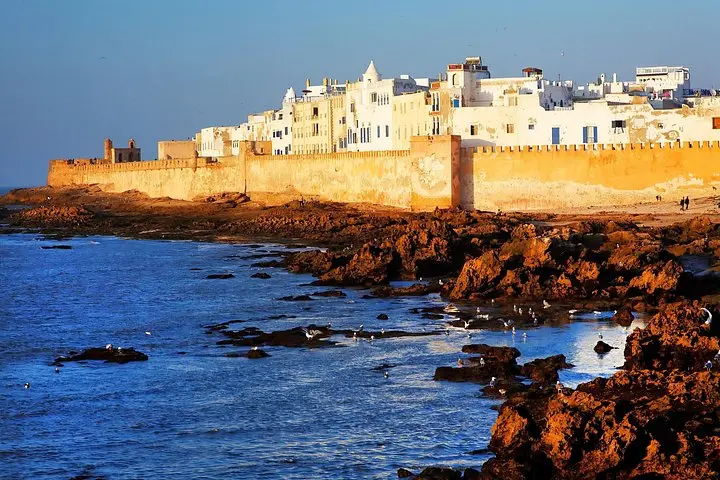
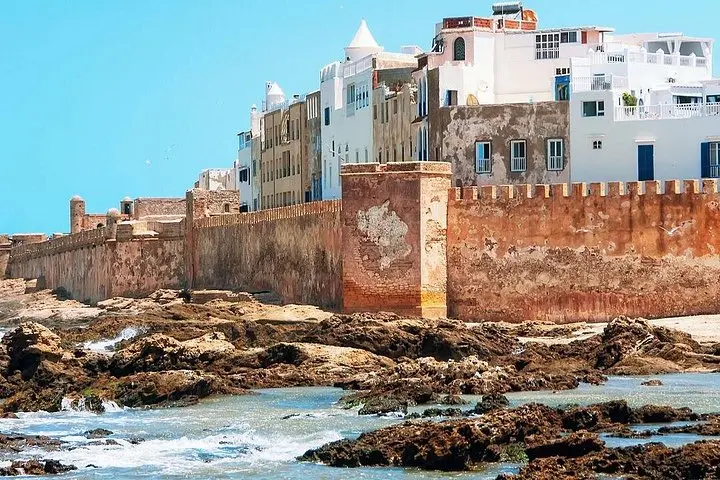
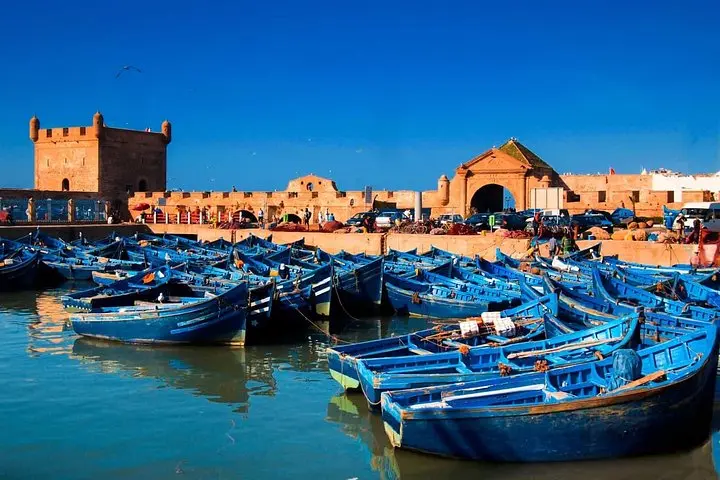
You arrive on the Atlantic as the minivan eases into Essaouira’s harbor, gulls cutting across the wind as fishing boats rock against stone. The sea seems to pull the city toward itself — the ramparts of the old Portuguese fortress facing salt and swell, the medina’s whitewashed walls catching light.
You arrive on the Atlantic as the minivan eases into Essaouira’s harbor, gulls cutting across the wind as fishing boats rock against stone. The sea seems to pull the city toward itself — the ramparts of the old Portuguese fortress facing salt and swell, the medina’s whitewashed walls catching light.
Essaouira (old Mogador) wore many hands: a 16th-century Portuguese outpost, later reworked by 18th-century Moroccan architects under Sultan Mohammed ben Abdallah who opened the port to trade. Geologically, the coastline is a mix of limestone cliffs and sandy spits shaped by strong onshore winds; those same winds sculpt the city’s surfing conditions and the argan trees on the nearby plains. Culturally, Essaouira’s medina is a quieter counterpoint to Marrakech — broad streets, a historic Jewish Mellah, and a long market of silversmiths and fishmongers around the port where you can watch nets being hauled.
On a private day tour you can walk the Skala ramparts, visit an argan cooperative to see traditional pressing, then stretch along a broad beach where Atlantic breakers dare you to approach. Expect 10–12 hours with hotel pickup in Marrakech and plenty of walking on cobbles and sand.
Practical tips: wear sturdy shoes for cobbled lanes, bring sun protection and a reusable water bottle, and plan lunch at the port to sample freshly grilled fish. Morning departures avoid afternoon winds; reserve a spot with at least two travelers and confirm pickup times the day before.