THE ADVENTURE COLLECTIVE® · Independent discovery and booking for outdoor travel

Leave Marrakech for a private day driving west to Essaouira’s port, ramparts and argan groves. Expect a mix of coastal scenery, local craft visits and time to explore the medina’s quieter souks.
Leave Marrakech for a private day driving west to Essaouira’s port, ramparts and argan groves. Expect a mix of coastal scenery, local craft visits and time to explore the medina’s quieter souks.
The road opens up and the Atlas foothills fall away as the Atlantic wind tugs at your jacket. By mid-morning the driver rolls toward Essaouira’s white-washed ramparts; gulls wheel above a port where blue fishing boats file in like clockwork and the sea murmurs against ancient stone.
Verified experiences and guided adventures in the surrounding area.
Operated by Arwa-Travel · Essaouira, Marrakech-Safi
The road opens up and the Atlas foothills fall away as the Atlantic wind tugs at your jacket. By mid-morning the driver rolls toward Essaouira’s white-washed ramparts; gulls wheel above a port where blue fishing boats file in like clockwork and the sea murmurs against ancient stone.
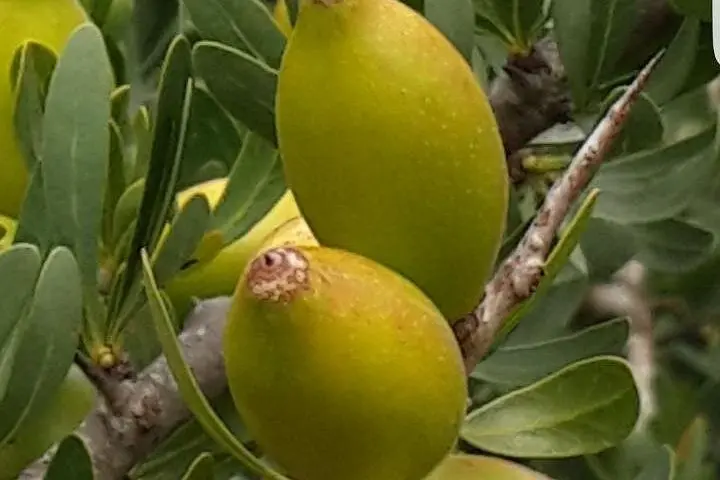
Essaouira’s harbor has been a crossroads for Phoenicians, Portuguese fort-builders and Moroccan traders. The town’s 18th-century walls—part military plan, part maritime workshop—still hold the salt-scrubbed scent of shipyards and spices. Geologically the coast is a sweep of schist and sand, cliffs worn low by persistent swell. Culturally the medina favors craft over commerce: woodworking, fish stalls and argan co-ops that preserve a centuries-old agroforestry tradition.
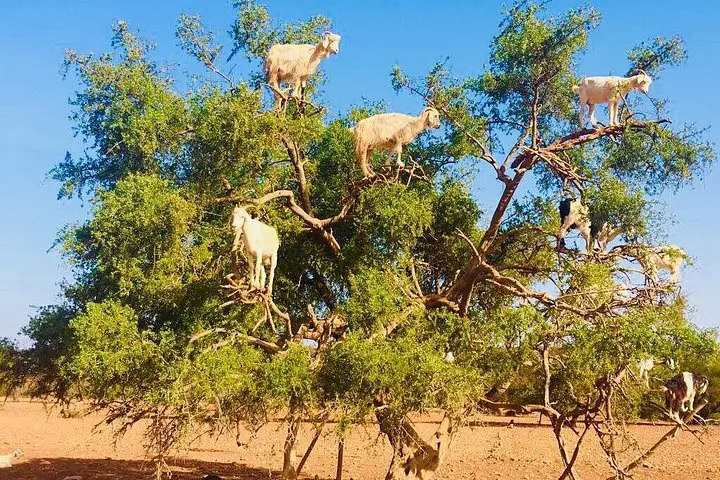
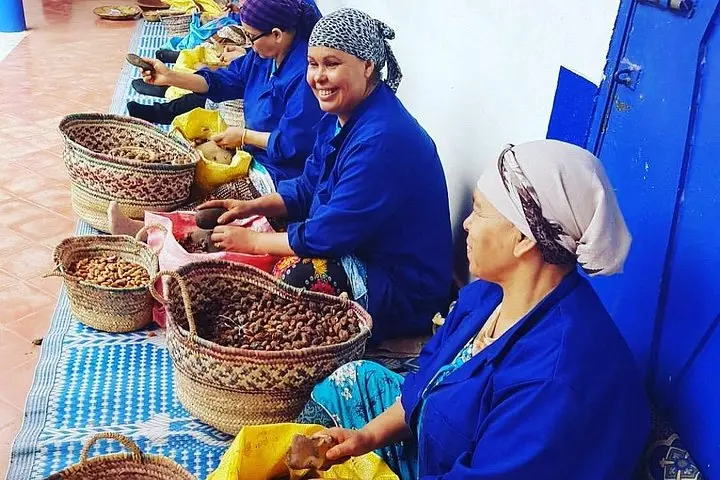
On a private day trip from Marrakech expect stops along the way to see goats clambering in argan trees, a visit to a women’s argan cooperative, and a guided stroll through the fishing quarter and ramparts. Time in the souks is deliberately unhurried—quiet alleys, local carpenters’ shops and rooftop views over the Atlantic.
Practical edge: the drive is long—allow about 2.5–3 hours each way—so pack water, sun protection and comfortable shoes for cobbled streets. Bring local currency for small purchases at cooperatives and a light wind layer for the harbor. If you want photos without crowds, plan to arrive before midday or stay after the main shorefront lunchtime rush.
This is a coastal day that balances natural edge and human craft—the sea pulling at the town while history holds it firm.
Yes—most private day tours include hotel pickup and drop-off in Marrakech; confirm your pickup point during booking.
Expect roughly 2.5–3 hours each way depending on traffic and route, making the full excursion a long day.
Choose cooperatives that state fair-trade practices and support local women’s groups; ask about production methods and pricing.
Yes—itineraries typically include a couple of hours of free time to wander the medina, souks and ramparts at your own pace.
Arwa-Travel operates guided outdoor trips and adventures with an emphasis on safety, stewardship, and memorable experiences.
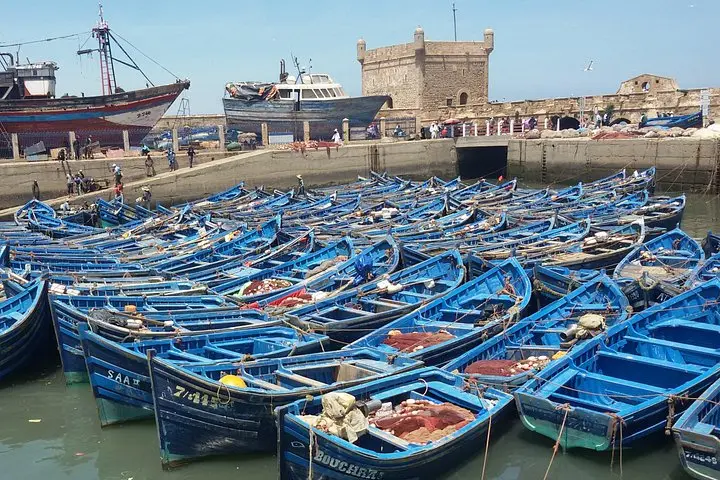
The road opens up and the Atlas foothills fall away as the Atlantic wind tugs at your jacket. By mid-morning the driver rolls toward Essaouira’s white-washed ramparts; gulls wheel above a port where blue fishing boats file in like clockwork and the sea murmurs against ancient stone.
The road opens up and the Atlas foothills fall away as the Atlantic wind tugs at your jacket. By mid-morning the driver rolls toward Essaouira’s white-washed ramparts; gulls wheel above a port where blue fishing boats file in like clockwork and the sea murmurs against ancient stone.
Essaouira’s harbor has been a crossroads for Phoenicians, Portuguese fort-builders and Moroccan traders. The town’s 18th-century walls—part military plan, part maritime workshop—still hold the salt-scrubbed scent of shipyards and spices. Geologically the coast is a sweep of schist and sand, cliffs worn low by persistent swell. Culturally the medina favors craft over commerce: woodworking, fish stalls and argan co-ops that preserve a centuries-old agroforestry tradition.
On a private day trip from Marrakech expect stops along the way to see goats clambering in argan trees, a visit to a women’s argan cooperative, and a guided stroll through the fishing quarter and ramparts. Time in the souks is deliberately unhurried—quiet alleys, local carpenters’ shops and rooftop views over the Atlantic.
Practical edge: the drive is long—allow about 2.5–3 hours each way—so pack water, sun protection and comfortable shoes for cobbled streets. Bring local currency for small purchases at cooperatives and a light wind layer for the harbor. If you want photos without crowds, plan to arrive before midday or stay after the main shorefront lunchtime rush.
This is a coastal day that balances natural edge and human craft—the sea pulling at the town while history holds it firm.