THE ADVENTURE COLLECTIVE® · Independent discovery and booking for outdoor travel

A compact three‑day crossing from Marrakech to Fez that moves from Atlas passes to the Erg Chebbi dunes—complete with Ait Benhaddou, Todra and Dades gorges, camel rides and an overnight desert camp.
A compact three‑day crossing from Marrakech to Fez that moves from Atlas passes to the Erg Chebbi dunes—complete with Ait Benhaddou, Todra and Dades gorges, camel rides and an overnight desert camp.
Morning light slips across Marrakech as the convoy pulls away, Atlas peaks sharpening against a high blue sky. Roads climb to the Tizi n’Tichka pass (2,260 m) and the landscape changes from olive terraces to ochre kasbahs; by night the dunes of Erg Chebbi fold into shadow and stars.
Verified experiences and guided adventures in the surrounding area.
Operated by Desert Tour Morocco · Marrakech, Marrakech-Safi
Morning light slips across Marrakech as the convoy pulls away, Atlas peaks sharpening against a high blue sky. Roads climb to the Tizi n’Tichka pass (2,260 m) and the landscape changes from olive terraces to ochre kasbahs; by night the dunes of Erg Chebbi fold into shadow and stars.
This three‑day loop traces Moroccan history and geology: a drive past High Atlas Berber villages, a stop at the UNESCO ksar of Ait Benhaddou where mudbrick towers recall caravan trade routes and film crews, and the deep-cut Todra and Dades gorges carved in limestone and sandstone. The Rose Valley’s cultivated slopes yield Damascena roses each spring, while Merzouga’s dune sea—formed by Saharan winds—hosts the ritual of camel caravans and campfire music.
Culturally the route mixes Berber hospitality, tea rituals, henna and campsite storytelling; practical comforts range from standard desert tents to upgraded private units with en‑suite washrooms. Expect long driving legs (day distances ~330 km, 304 km, 532 km — roughly 1,166 km total) balanced by short hikes, a camel trek across golden ridges, sandboarding on wind‑sculpted slopes, and sunrise views from the dunes.
For planning: allow 72 hours, pack sun protection and warm layers for night, and stagger travel days to include an early wake for sunrise in Merzouga. Bring refillable water, a headlamp for camp, and a willingness to trade pavement for piste — the reward is big sky, quiet dunes, and a living corridor of Morocco’s desert heritage.
Options typically range from standard nomad tents with shared facilities to private en‑suite tents in luxury camps; booking should specify your preference.
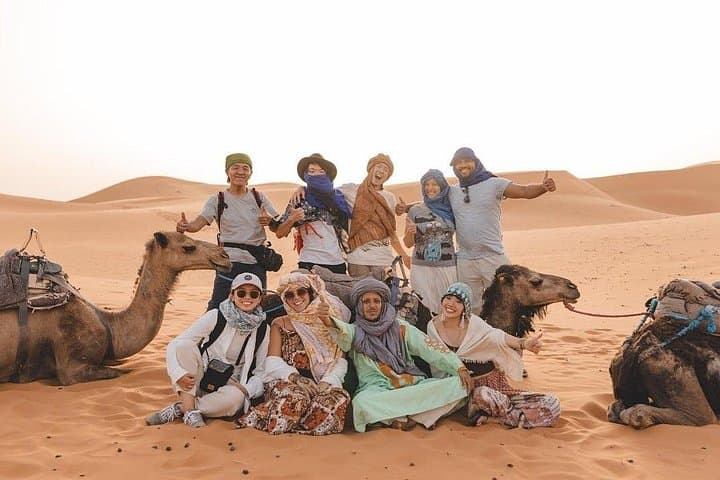
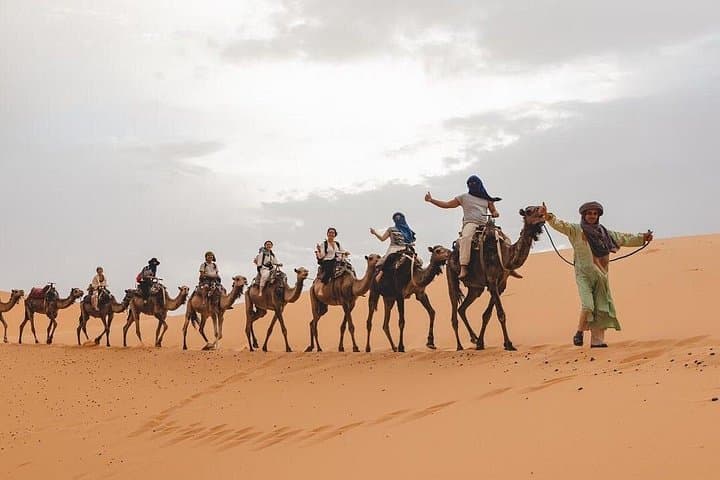
Camel rides are gentle, approximately 30–60 minutes for sunset or sunrise transfers to camp; travelers can opt for 4x4 transfers if preferred.
Meals listed include two breakfasts and three dinners across the itinerary; bottled water is recommended even if some water is provided.
While transport and many sites are accessible, dune and camel activities require mobility; consult the operator about specific accessibility needs.
Desert Tour Morocco operates guided outdoor trips and adventures with an emphasis on safety, stewardship, and memorable experiences.
Morning light slips across Marrakech as the convoy pulls away, Atlas peaks sharpening against a high blue sky. Roads climb to the Tizi n’Tichka pass (2,260 m) and the landscape changes from olive terraces to ochre kasbahs; by night the dunes of Erg Chebbi fold into shadow and stars.
Morning light slips across Marrakech as the convoy pulls away, Atlas peaks sharpening against a high blue sky. Roads climb to the Tizi n’Tichka pass (2,260 m) and the landscape changes from olive terraces to ochre kasbahs; by night the dunes of Erg Chebbi fold into shadow and stars.
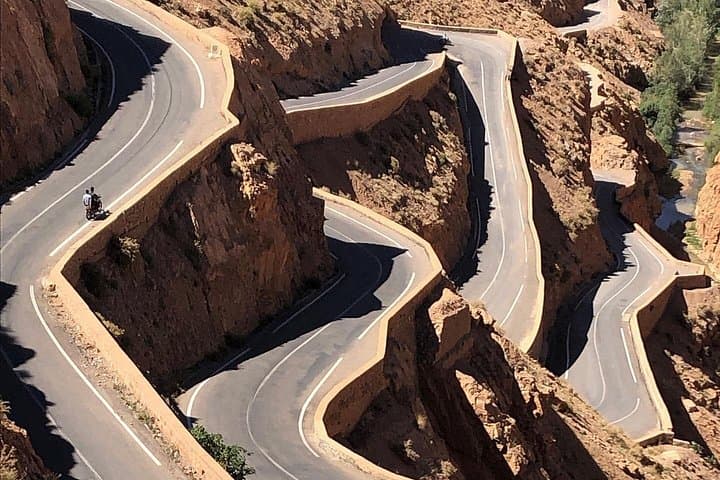
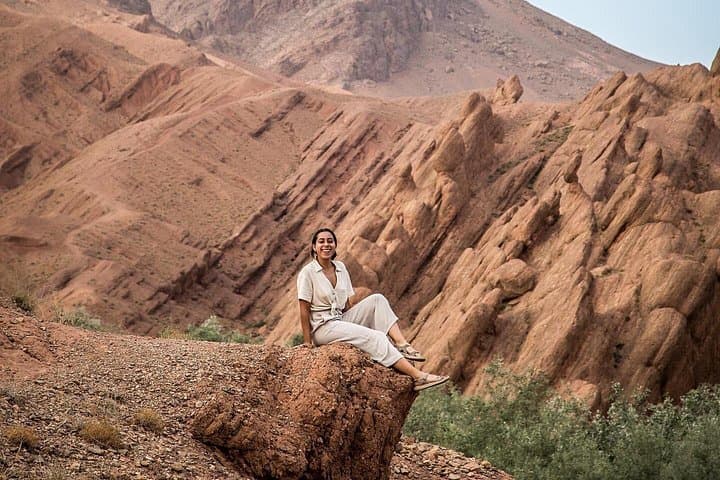
This three‑day loop traces Moroccan history and geology: a drive past High Atlas Berber villages, a stop at the UNESCO ksar of Ait Benhaddou where mudbrick towers recall caravan trade routes and film crews, and the deep-cut Todra and Dades gorges carved in limestone and sandstone. The Rose Valley’s cultivated slopes yield Damascena roses each spring, while Merzouga’s dune sea—formed by Saharan winds—hosts the ritual of camel caravans and campfire music.
Culturally the route mixes Berber hospitality, tea rituals, henna and campsite storytelling; practical comforts range from standard desert tents to upgraded private units with en‑suite washrooms. Expect long driving legs (day distances ~330 km, 304 km, 532 km — roughly 1,166 km total) balanced by short hikes, a camel trek across golden ridges, sandboarding on wind‑sculpted slopes, and sunrise views from the dunes.
For planning: allow 72 hours, pack sun protection and warm layers for night, and stagger travel days to include an early wake for sunrise in Merzouga. Bring refillable water, a headlamp for camp, and a willingness to trade pavement for piste — the reward is big sky, quiet dunes, and a living corridor of Morocco’s desert heritage.