THE ADVENTURE COLLECTIVE® · Independent discovery and booking for outdoor travel

Cross the High Atlas, ride camels on Erg Chebbi and move from Casablanca to Fez in six compact days. This guided route pairs Morocco’s imperial history with the stark beauty of the Sahara.
Cross the High Atlas, ride camels on Erg Chebbi and move from Casablanca to Fez in six compact days. This guided route pairs Morocco’s imperial history with the stark beauty of the Sahara.
Morning in Marrakech spills color from the medina into the narrow alleys as your vehicle eases out toward the High Atlas. The road climbs, hairpin after hairpin, until the mountains open and the kasbah of Ait Ben Haddou appears like an army of sun-baked fortresses. By day two the desert takes over: Erg Chebbi’s dunes roll like a golden sea and, after a camel ride, the sky paints the crest-line at sunset.
Verified experiences and guided adventures in the surrounding area.
Operated by The craftsman of your trip · Marrakech, Marrakech-Safi
Morning in Marrakech spills color from the medina into the narrow alleys as your vehicle eases out toward the High Atlas. The road climbs, hairpin after hairpin, until the mountains open and the kasbah of Ait Ben Haddou appears like an army of sun-baked fortresses. By day two the desert takes over: Erg Chebbi’s dunes roll like a golden sea and, after a camel ride, the sky paints the crest-line at sunset.
This route threads Morocco’s geological and cultural seams. The Atlas Mountains are folded Mesozoic rock, pushed up by African–Eurasian plate interactions, while the Sahara’s dunes are wind-built Pleistocene deposits. Culturally, the journey links imperial capitals—Casablanca’s modern façade, Rabat’s Almohad monuments, Fez’s medieval medina—and traces old trans-Saharan trade corridors that moved salt, gold and scholars.
Expect a blend of paved driving, short walking tours through medinas and a low-impact desert trek by camel. Nights alternate between riads, roadside hotels and a desert camp where Berber music sets the evening rhythm. Local insights: haggle politely in Fez’s souks, sample mint tea at small family-run cafes, and watch for fossil workshops around Erfoud.
Practical guidance: pack layers for wide temperature swings, bring a sturdy pair of shoes for cobbled alleys, carry at least 2 liters of water per day and keep a sun hat handy. Travel light for the camel transfer (soft duffels are easiest). The itinerary is accessible to most travelers but includes long drives; plan for early starts to avoid midday heat and to catch the best light for photos.
No—alternative short walks are usually possible at the camp; the camel ride is included for the dune experience but can be adjusted for comfort.
The tour is rated easy: most activities are short walks and vehicle transfers, though long drives can be tiring for some travelers.
Desert camps typically provide mattresses, blankets and private tents; temperatures drop at night so a warm layer is recommended.
Tipping is customary in Morocco; small amounts for drivers, guides and camp staff are appreciated and help support local service workers.
The craftsman of your trip operates guided outdoor trips and adventures with an emphasis on safety, stewardship, and memorable experiences.
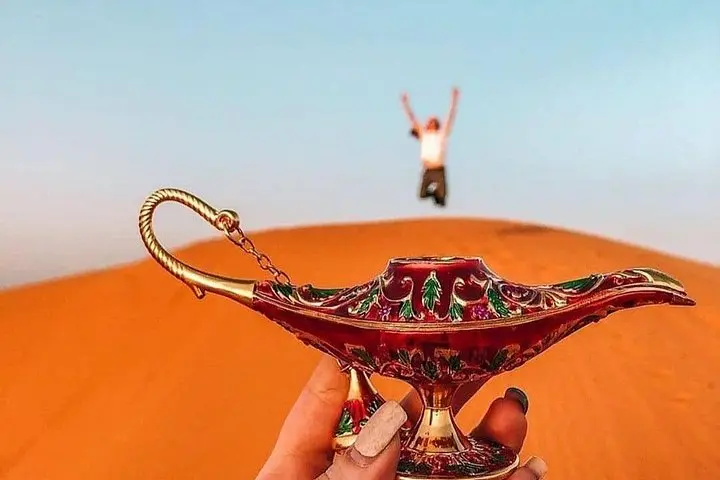
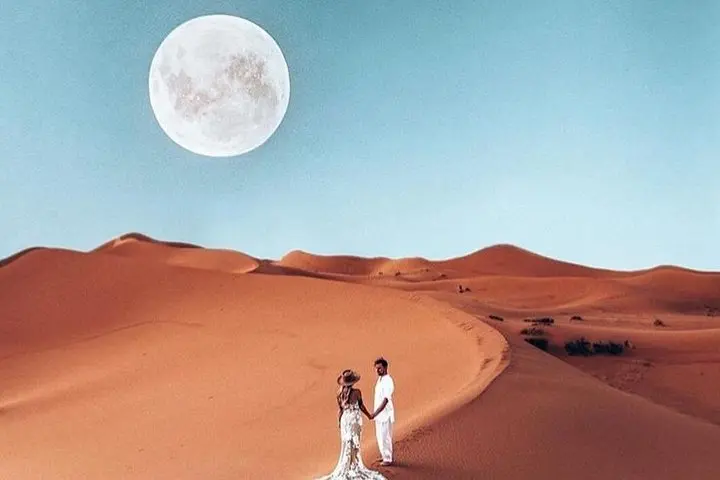
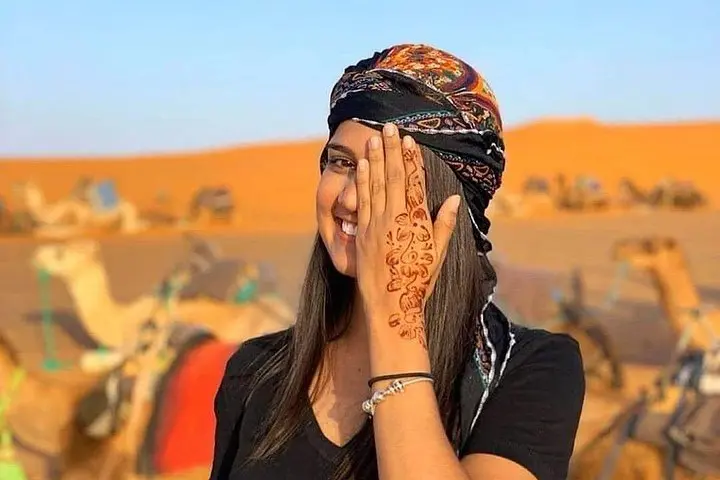
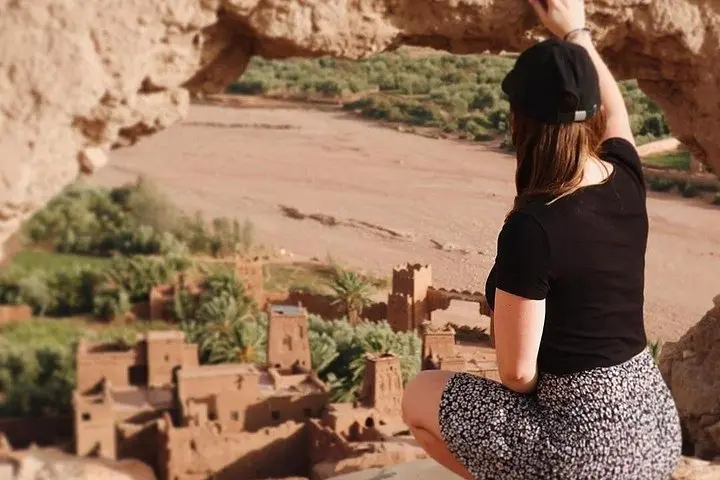
Morning in Marrakech spills color from the medina into the narrow alleys as your vehicle eases out toward the High Atlas. The road climbs, hairpin after hairpin, until the mountains open and the kasbah of Ait Ben Haddou appears like an army of sun-baked fortresses. By day two the desert takes over: Erg Chebbi’s dunes roll like a golden sea and, after a camel ride, the sky paints the crest-line at sunset.
Morning in Marrakech spills color from the medina into the narrow alleys as your vehicle eases out toward the High Atlas. The road climbs, hairpin after hairpin, until the mountains open and the kasbah of Ait Ben Haddou appears like an army of sun-baked fortresses. By day two the desert takes over: Erg Chebbi’s dunes roll like a golden sea and, after a camel ride, the sky paints the crest-line at sunset.
This route threads Morocco’s geological and cultural seams. The Atlas Mountains are folded Mesozoic rock, pushed up by African–Eurasian plate interactions, while the Sahara’s dunes are wind-built Pleistocene deposits. Culturally, the journey links imperial capitals—Casablanca’s modern façade, Rabat’s Almohad monuments, Fez’s medieval medina—and traces old trans-Saharan trade corridors that moved salt, gold and scholars.
Expect a blend of paved driving, short walking tours through medinas and a low-impact desert trek by camel. Nights alternate between riads, roadside hotels and a desert camp where Berber music sets the evening rhythm. Local insights: haggle politely in Fez’s souks, sample mint tea at small family-run cafes, and watch for fossil workshops around Erfoud.
Practical guidance: pack layers for wide temperature swings, bring a sturdy pair of shoes for cobbled alleys, carry at least 2 liters of water per day and keep a sun hat handy. Travel light for the camel transfer (soft duffels are easiest). The itinerary is accessible to most travelers but includes long drives; plan for early starts to avoid midday heat and to catch the best light for photos.