THE ADVENTURE COLLECTIVE® · Independent discovery and booking for outdoor travel

Escape Marrakech for a seven-hour journey into the High Atlas: short hikes to waterfalls, visits to Berber villages and an argan-oil cooperative, finished with a homemade lunch. This accessible day trip blends scenery and culture with practical logistics handled for you.
Escape Marrakech for a seven-hour journey into the High Atlas: short hikes to waterfalls, visits to Berber villages and an argan-oil cooperative, finished with a homemade lunch. This accessible day trip blends scenery and culture with practical logistics handled for you.
By mid-morning the road lifts out of Marrakech’s ochre haze and the air cools; the High Atlas slopes open like pages of a worn map, terraces stepping down into villages of stone and cedar. On this day trip, travelers move through the Tahnouat, Asni and Imlil valleys—short walks thread through orchards and along a brook that dares you to pause at its clear pools.
Verified experiences and guided adventures in the surrounding area.
Operated by Morocco Next · Imlil, Marrakech-Safi
By mid-morning the road lifts out of Marrakech’s ochre haze and the air cools; the High Atlas slopes open like pages of a worn map, terraces stepping down into villages of stone and cedar. On this day trip, travelers move through the Tahnouat, Asni and Imlil valleys—short walks thread through orchards and along a brook that dares you to pause at its clear pools.
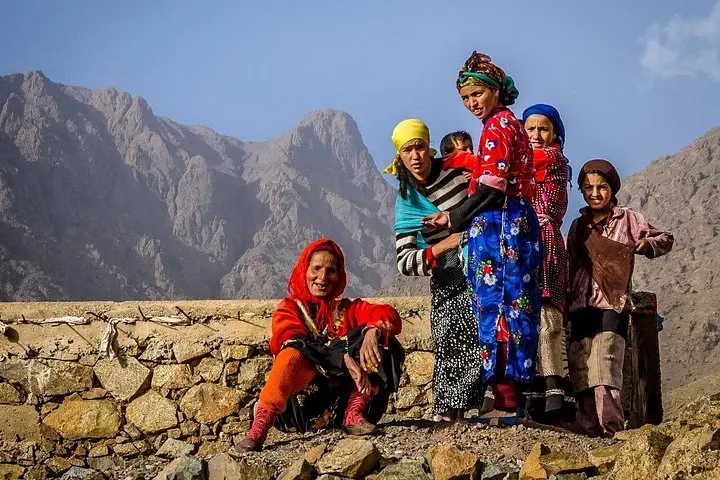
The region has been shaped by glacial carving and seasonal streams: jagged ridgelines give way to softer valley floors where Amazigh (Berber) communities have farmed and traded for centuries. In village squares, women’s cooperatives press argan nuts into oil using techniques passed down across generations, offering a clear line between landscape and livelihood.
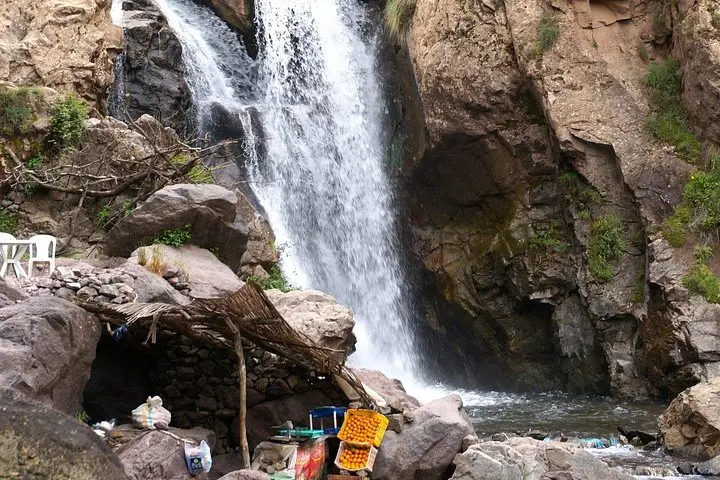
Expect a roughly 90-minute guided walk to waterfalls and viewpoints over the Imlil basin. Trails alternate between rocky footpaths and packed dirt, with short, steeper pitches where steps are set into the slope. Lunch is typically a home-cooked spread in a local house or guesthouse—tagine and mint tea that reflect local produce and seasonality.
Practical notes: the full experience runs about seven hours including round-trip transport from Marrakech in air-conditioned vehicles. Wear sturdy shoes for uneven terrain, carry at least 1–2 liters of water, and bring layers—mountain weather shifts fast. Cash is useful for small purchases at cooperatives and village stalls. Respect local customs by asking before photographing people and staying on marked paths to protect fragile soils. This day trip balances accessible hiking with cultural immersion, making it a practical option for travelers seeking an efficient, scenic escape from the city.
The guided walking portion is typically around 60–90 minutes, depending on the route and group pace—most tours keep options flexible.
Yes—routes are chosen for accessibility, but travelers should be able to walk short uphill sections; inform the operator of mobility needs in advance.
Yes. The itinerary commonly includes a stop at a women’s argan oil cooperative near Asni where you can observe production and buy products.
Guides on these tours often speak English, French and Arabic; confirm language needs when booking to ensure a compatible guide.
Morocco Next operates guided outdoor trips and adventures with an emphasis on safety, stewardship, and memorable experiences.
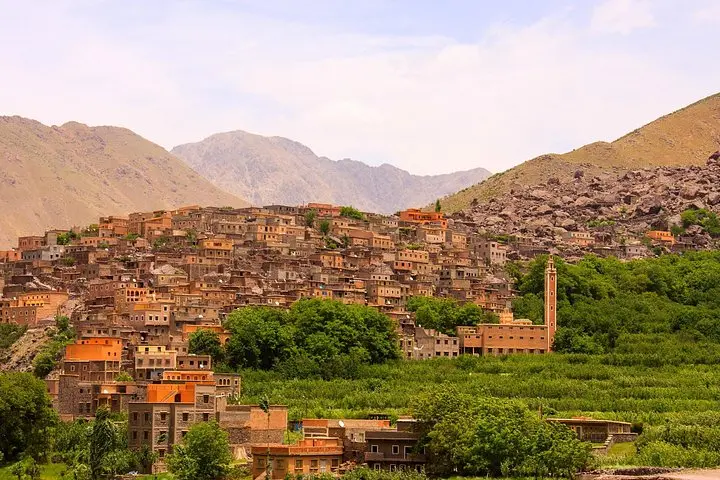
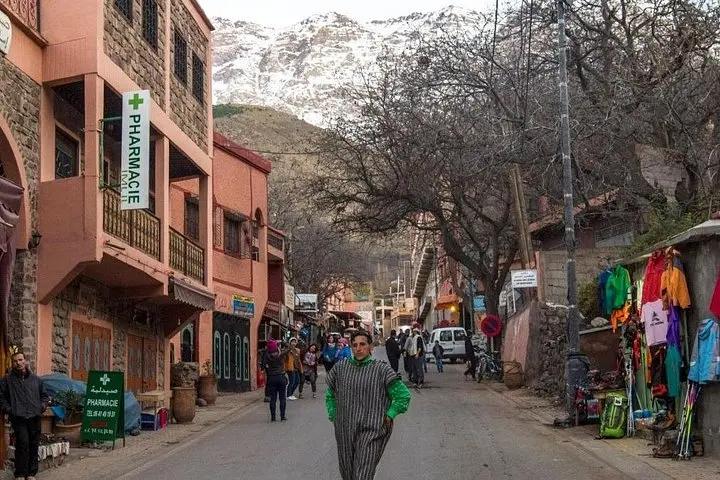
By mid-morning the road lifts out of Marrakech’s ochre haze and the air cools; the High Atlas slopes open like pages of a worn map, terraces stepping down into villages of stone and cedar. On this day trip, travelers move through the Tahnouat, Asni and Imlil valleys—short walks thread through orchards and along a brook that dares you to pause at its clear pools.
By mid-morning the road lifts out of Marrakech’s ochre haze and the air cools; the High Atlas slopes open like pages of a worn map, terraces stepping down into villages of stone and cedar. On this day trip, travelers move through the Tahnouat, Asni and Imlil valleys—short walks thread through orchards and along a brook that dares you to pause at its clear pools.
The region has been shaped by glacial carving and seasonal streams: jagged ridgelines give way to softer valley floors where Amazigh (Berber) communities have farmed and traded for centuries. In village squares, women’s cooperatives press argan nuts into oil using techniques passed down across generations, offering a clear line between landscape and livelihood.
Expect a roughly 90-minute guided walk to waterfalls and viewpoints over the Imlil basin. Trails alternate between rocky footpaths and packed dirt, with short, steeper pitches where steps are set into the slope. Lunch is typically a home-cooked spread in a local house or guesthouse—tagine and mint tea that reflect local produce and seasonality.
Practical notes: the full experience runs about seven hours including round-trip transport from Marrakech in air-conditioned vehicles. Wear sturdy shoes for uneven terrain, carry at least 1–2 liters of water, and bring layers—mountain weather shifts fast. Cash is useful for small purchases at cooperatives and village stalls. Respect local customs by asking before photographing people and staying on marked paths to protect fragile soils. This day trip balances accessible hiking with cultural immersion, making it a practical option for travelers seeking an efficient, scenic escape from the city.