THE ADVENTURE COLLECTIVE® · Independent discovery and booking for outdoor travel

Escape Marrakech for a day and trade souks for stone trails on a guided hike from Imlil to the hamlet of Armed. Expect close-up views of Mount Toubkal, Berber hospitality, and a short, satisfying mountain trek ideal for active travelers.
Escape Marrakech for a day and trade souks for stone trails on a guided hike from Imlil to the hamlet of Armed. Expect close-up views of Mount Toubkal, Berber hospitality, and a short, satisfying mountain trek ideal for active travelers.
A 90-minute highway run from Marrakech drops you into a sharp, stony valley where the air feels thinner and tea smells of smoke and mint. In Imlil, the village square hums with chatter and pack-mule clatter; a local guide will lead you onto the trail that climbs toward the hamlet of Armed, cutting through almond groves and worn mule tracks. By the time you crest a low ridge, Mount Toubkal—North Africa’s highest peak at 4,167 m—dominates the skyline, its bulk pushing the clouds like a slow ship.
Verified experiences and guided adventures in the surrounding area.
Operated by Morocco Cheap Travel Company · Imlil, Marrakesh-Safi
A 90-minute highway run from Marrakech drops you into a sharp, stony valley where the air feels thinner and tea smells of smoke and mint. In Imlil, the village square hums with chatter and pack-mule clatter; a local guide will lead you onto the trail that climbs toward the hamlet of Armed, cutting through almond groves and worn mule tracks. By the time you crest a low ridge, Mount Toubkal—North Africa’s highest peak at 4,167 m—dominates the skyline, its bulk pushing the clouds like a slow ship.
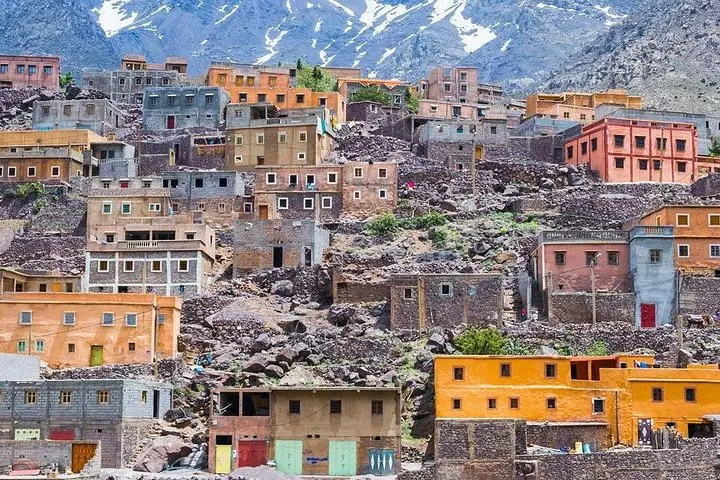
The High Atlas are young mountains in geological terms, uplifted by the collision of the African and Eurasian plates; terraces and stone walls mark centuries of Berber agriculture. Imlil sits at the crossroads of that culture: warm hosptiality, homes built from local stone, and tea rituals that punctuate any walk. The trek to Armed follows streams and shepherd paths, offering close-up views of alpine plant communities and traditional villages that still rely on mule transport.
Practically, expect 4–6 km of walking round-trip with roughly 200–400 m of elevation gain on uneven, rocky trails—suitable for hikers in reasonable shape. The trip includes hotel pickup in Marrakech in an air-conditioned vehicle, a guided walk, and a village lunch with tea. Start early to avoid afternoon heat, wear sturdy shoes, carry 1–2 liters of water, and plan for abrupt weather changes higher in the valley. Local guides read the terrain and the culture—use them; they help you navigate routes, manage time, and deepen the experience without adding logistical stress.
Yes—this excursion includes hotel pickup and drop-off in Marrakech in an air-conditioned vehicle; confirm your pickup point when booking.
The trek is moderate: uneven, rocky paths with short uphill stretches; it’s suitable for most people in reasonable fitness but not recommended for those with significant mobility limits.
Children can join and the operator lists stroller accessibility for short transfers, but the trail itself is not stroller-friendly—expect to carry young children over rough sections.
No special permit is required for day hikes around Imlil; hiring a local guide is recommended for navigation and to support the community.
Morocco Cheap Travel Company operates guided outdoor trips and adventures with an emphasis on safety, stewardship, and memorable experiences.
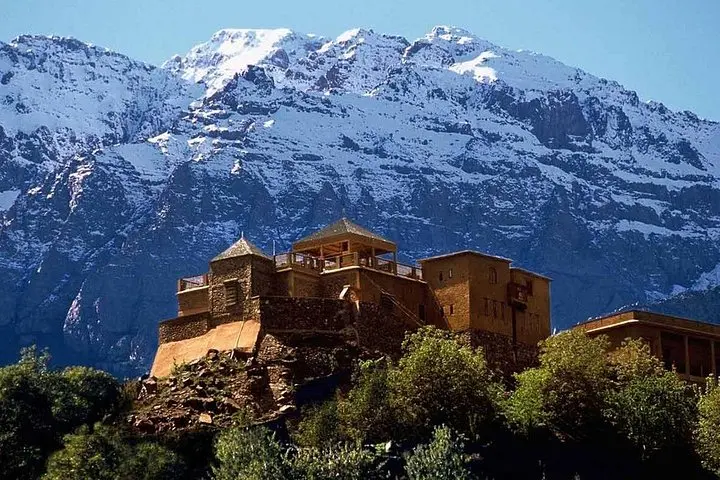
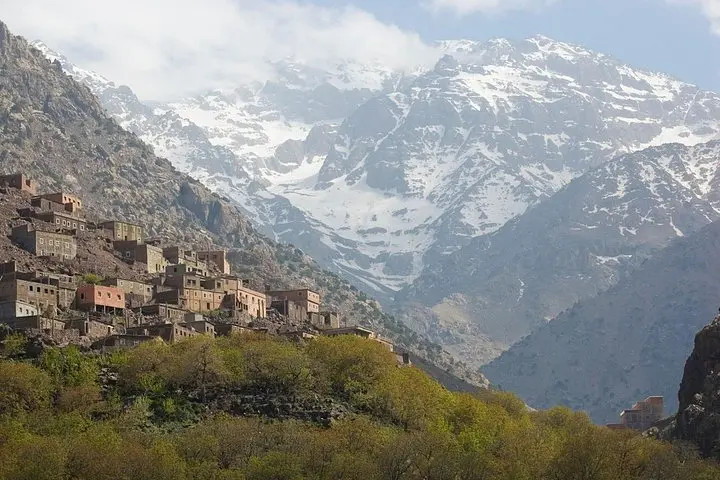
A 90-minute highway run from Marrakech drops you into a sharp, stony valley where the air feels thinner and tea smells of smoke and mint. In Imlil, the village square hums with chatter and pack-mule clatter; a local guide will lead you onto the trail that climbs toward the hamlet of Armed, cutting through almond groves and worn mule tracks. By the time you crest a low ridge, Mount Toubkal—North Africa’s highest peak at 4,167 m—dominates the skyline, its bulk pushing the clouds like a slow ship.
A 90-minute highway run from Marrakech drops you into a sharp, stony valley where the air feels thinner and tea smells of smoke and mint. In Imlil, the village square hums with chatter and pack-mule clatter; a local guide will lead you onto the trail that climbs toward the hamlet of Armed, cutting through almond groves and worn mule tracks. By the time you crest a low ridge, Mount Toubkal—North Africa’s highest peak at 4,167 m—dominates the skyline, its bulk pushing the clouds like a slow ship.
The High Atlas are young mountains in geological terms, uplifted by the collision of the African and Eurasian plates; terraces and stone walls mark centuries of Berber agriculture. Imlil sits at the crossroads of that culture: warm hosptiality, homes built from local stone, and tea rituals that punctuate any walk. The trek to Armed follows streams and shepherd paths, offering close-up views of alpine plant communities and traditional villages that still rely on mule transport.
Practically, expect 4–6 km of walking round-trip with roughly 200–400 m of elevation gain on uneven, rocky trails—suitable for hikers in reasonable shape. The trip includes hotel pickup in Marrakech in an air-conditioned vehicle, a guided walk, and a village lunch with tea. Start early to avoid afternoon heat, wear sturdy shoes, carry 1–2 liters of water, and plan for abrupt weather changes higher in the valley. Local guides read the terrain and the culture—use them; they help you navigate routes, manage time, and deepen the experience without adding logistical stress.