THE ADVENTURE COLLECTIVE® · Independent discovery and booking for outdoor travel

Drive the High Atlas, explore Ait Ben Haddou, ride camels across Erg Chebbi and sleep under Saharan stars on this compact 3-day Marrakech–Fes route. Expect mountain passes, fossil towns and a night in a desert bivouac.
Drive the High Atlas, explore Ait Ben Haddou, ride camels across Erg Chebbi and sleep under Saharan stars on this compact 3-day Marrakech–Fes route. Expect mountain passes, fossil towns and a night in a desert bivouac.
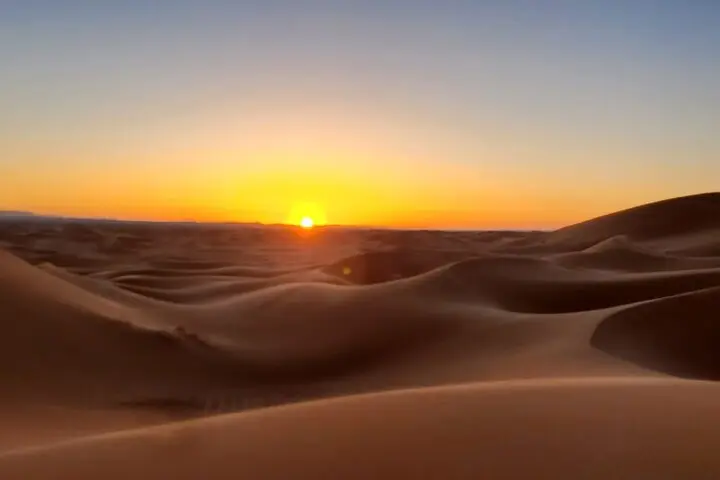
Morning light peels over Jamaa el-Fnaa as the minivan pulls away, and Marrakech’s ochre walls give way to hairpin turns up the Tizi n’Tichka pass (2,260 m). Wind pushes at the vehicle like a test of resolve; the High Atlas seems to measure your appetite for wide desert skies. By midafternoon the landscape shifts from terraced olive groves to ochre kasbahs and, finally, the rippling gold of Erg Chebbi.
Verified experiences and guided adventures in the surrounding area.
Operated by Africa Tours Marrakech · Marrakech, Marrakesh-Safi
Morning light peels over Jamaa el-Fnaa as the minivan pulls away, and Marrakech’s ochre walls give way to hairpin turns up the Tizi n’Tichka pass (2,260 m). Wind pushes at the vehicle like a test of resolve; the High Atlas seems to measure your appetite for wide desert skies. By midafternoon the landscape shifts from terraced olive groves to ochre kasbahs and, finally, the rippling gold of Erg Chebbi.
This route threads centuries of trade and film history: Ait Ben Haddou’s earthen kasbahs once sheltered caravans and now stand as a UNESCO landmark where movie crews stage ancient worlds. Geologically, the High Atlas rose in collision with the African plate, folding rock into sharp ridges; the Sahara’s dunes are the work of wind, piling sand into crescents that climb toward 100–150 m in places.
Culturally the road is Berber country—small villages, palm groves in the Ziz Valley, craftsmen shaping fossils around Erfoud. Locals welcome visitors with mint tea and simple hospitality; nights in the bivouac let the desert “speak” in silence under a ceiling of stars.
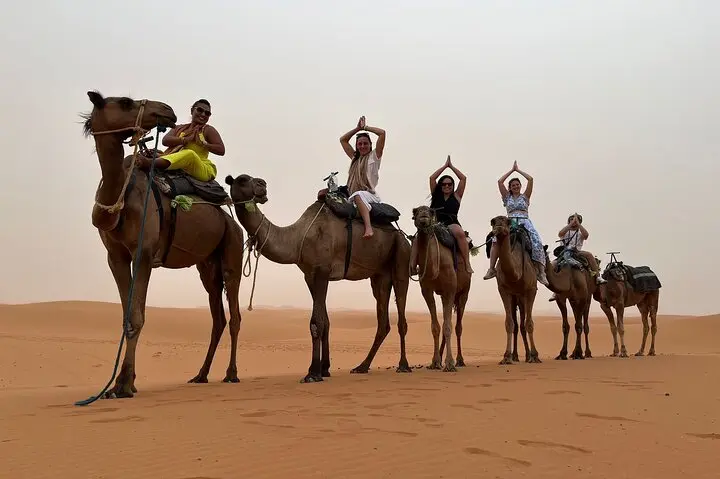
Practically: expect long drives (several 3–6 hour legs), a camel transfer into the dunes, and one night in a nomad-style camp with dinner and breakfast included. Sandboarding and short dune hikes are optional and require basic balance. Bring layered clothing for hot days and cold nights, sun protection, and a small daypack for essentials. The route is suitable for most fitness levels but not recommended for travelers with serious back or heart conditions. Plan water, cash for small purchases, and a flexible spirit—this trip is equal parts road, mountain pass, and desert night.
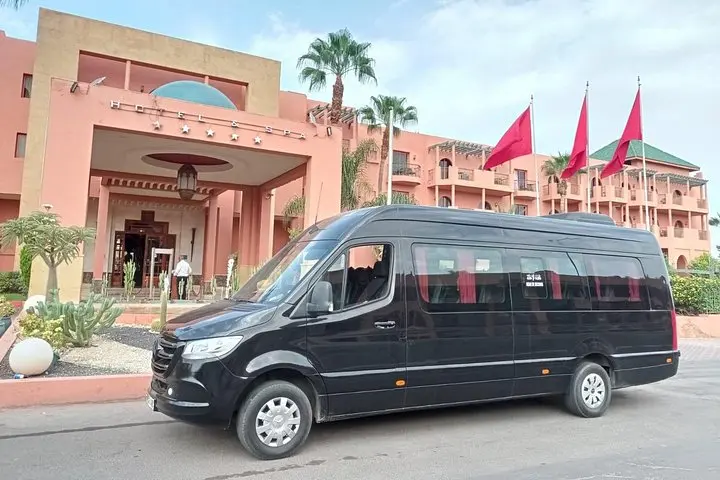
Yes—air-conditioned minivan transfers between Marrakech and Fes are provided and include the desert transfer to Merzouga as described.
The tour includes two dinners and two breakfasts, plus one night in a desert camp and hotel-style lodging on other nights as listed.
Camel rides are brief and seated; dunes require short climbs that are sandy and uneven—suitable for most but not for those with serious back or heart conditions.
Notify bookings ahead for dietary requests; some mobility limitations may be accommodated but the desert camel transfer and dunes are not wheelchair-accessible.
Africa Tours Marrakech operates guided outdoor trips and adventures with an emphasis on safety, stewardship, and memorable experiences.
Morning light peels over Jamaa el-Fnaa as the minivan pulls away, and Marrakech’s ochre walls give way to hairpin turns up the Tizi n’Tichka pass (2,260 m). Wind pushes at the vehicle like a test of resolve; the High Atlas seems to measure your appetite for wide desert skies. By midafternoon the landscape shifts from terraced olive groves to ochre kasbahs and, finally, the rippling gold of Erg Chebbi.
Morning light peels over Jamaa el-Fnaa as the minivan pulls away, and Marrakech’s ochre walls give way to hairpin turns up the Tizi n’Tichka pass (2,260 m). Wind pushes at the vehicle like a test of resolve; the High Atlas seems to measure your appetite for wide desert skies. By midafternoon the landscape shifts from terraced olive groves to ochre kasbahs and, finally, the rippling gold of Erg Chebbi.
This route threads centuries of trade and film history: Ait Ben Haddou’s earthen kasbahs once sheltered caravans and now stand as a UNESCO landmark where movie crews stage ancient worlds. Geologically, the High Atlas rose in collision with the African plate, folding rock into sharp ridges; the Sahara’s dunes are the work of wind, piling sand into crescents that climb toward 100–150 m in places.
Culturally the road is Berber country—small villages, palm groves in the Ziz Valley, craftsmen shaping fossils around Erfoud. Locals welcome visitors with mint tea and simple hospitality; nights in the bivouac let the desert “speak” in silence under a ceiling of stars.
Practically: expect long drives (several 3–6 hour legs), a camel transfer into the dunes, and one night in a nomad-style camp with dinner and breakfast included. Sandboarding and short dune hikes are optional and require basic balance. Bring layered clothing for hot days and cold nights, sun protection, and a small daypack for essentials. The route is suitable for most fitness levels but not recommended for travelers with serious back or heart conditions. Plan water, cash for small purchases, and a flexible spirit—this trip is equal parts road, mountain pass, and desert night.