THE ADVENTURE COLLECTIVE® · Independent discovery and booking for outdoor travel

A compact three-day circuit from Marrakech through the High Atlas, Aït Ben Haddou, Todgha Gorges and the Erg Chebbi dunes. Expect long scenic drives, a camel trek at sunset, sleeps in riads and a starlit nomad camp—ideal for travelers seeking landscape variety and cultural connection.
A compact three-day circuit from Marrakech through the High Atlas, Aït Ben Haddou, Todgha Gorges and the Erg Chebbi dunes. Expect long scenic drives, a camel trek at sunset, sleeps in riads and a starlit nomad camp—ideal for travelers seeking landscape variety and cultural connection.
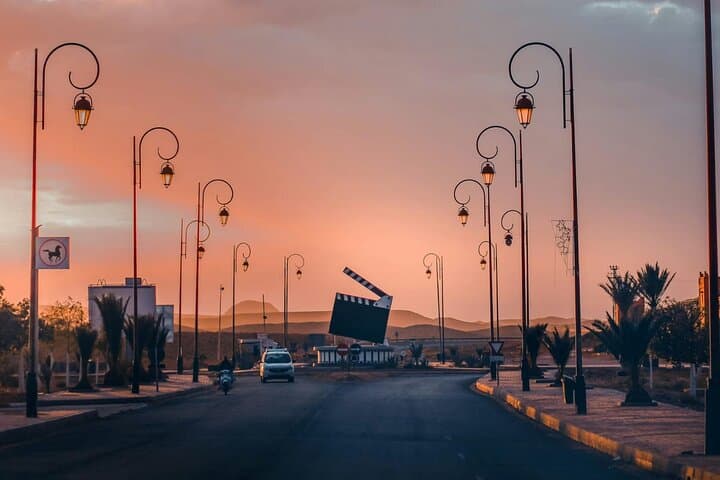
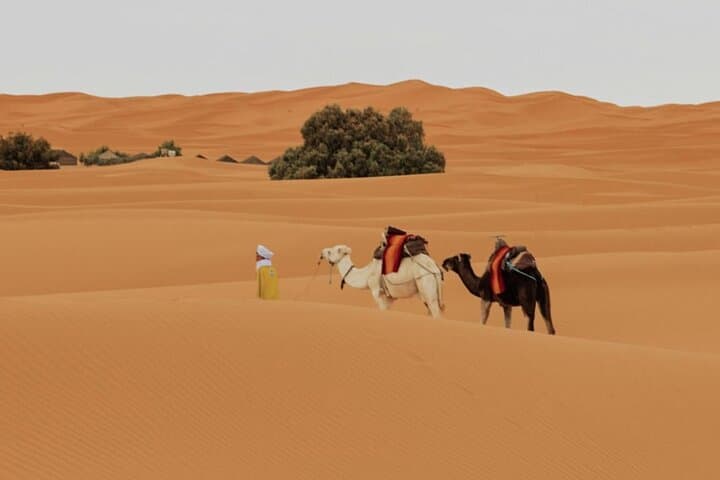
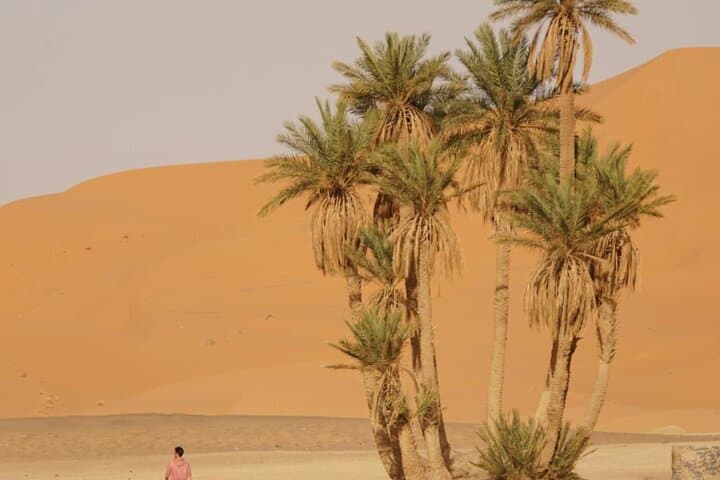
You step out of Marrakech before dawn, tires crunching over the Tizi n’Tichka pass as mountain air pushes against the windows. By midday the road unspools through ochre villages and palm-lined oases; by evening the Erg Chebbi dunes rise like living waves that dare you to climb them.
Verified experiences and guided adventures in the surrounding area.
Operated by Sahara Tour Desert · Merzouga, Drâa-Tafilalet
You step out of Marrakech before dawn, tires crunching over the Tizi n’Tichka pass as mountain air pushes against the windows. By midday the road unspools through ochre villages and palm-lined oases; by evening the Erg Chebbi dunes rise like living waves that dare you to climb them.
This three-day route threads High Atlas peaks (Tizi n’Tichka, 2,260 m), the earthen architecture of Aït Ben Haddou—an 11th-century kasbah on the UNESCO list—and the carved corridors of the Todgha Gorges with their steep limestone walls. Geology here moves fast: folded, uplifted Atlas ranges give way to wind-sculpted sand seas where dunes can reach 100–150 m and shift daily with the sirocco.
Culturally the trip centers on Berber life—guesthouse stays in kasbah-style riads, market stops in river towns, and evening drumming in desert camps where oral storytelling keeps local memory alive. Drivers and guides often speak multiple languages and bring practical context to each stop.
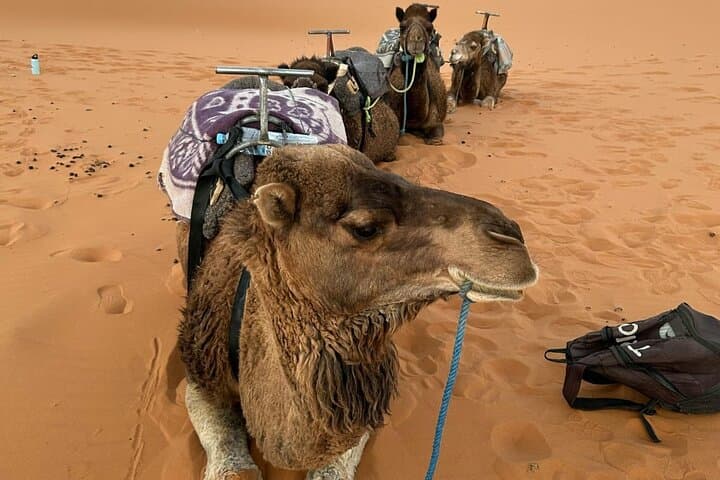
Practical guidance: expect long driving days (Marrakech–Merzouga is roughly 8–10 hours with stops). Terrain varies from paved mountain roads to soft dune sand for camel treks; the camel transfer to camp is low-impact but uneven underfoot. Pack layered clothing for hot days and cold nights, sun protection, and 2–3 liters of water per person during desert crossings. Plan sunrise and sunset dune walks—light changes hourly. If you have back issues or pregnancy, consider alternatives to the camel trek; vehicle transfers to camp are sometimes available. With correct planning this tour balances immersive culture, demanding landscapes, and the unique stillness of the Sahara.
Camel rides at sunset and sunrise typically last 60–120 minutes depending on the camp location and package; some guests opt for a short ride and a 4x4 transfer instead.
Yes, the tour includes one night in a luxury nomad/desert camp with beds and another night in a kasbah-style guesthouse—expect basic but comfortable facilities and communal dining.
Children can join but infants must sit on laps per operator policy; the tour is not recommended for pregnant travelers or those with serious back problems due to camel travel and rough roads.
Spring and fall offer the most moderate temperatures; summer can be very hot in the desert while winter mornings and nights can be quite cold.
Sahara Tour Desert operates guided outdoor trips and adventures with an emphasis on safety, stewardship, and memorable experiences.
You step out of Marrakech before dawn, tires crunching over the Tizi n’Tichka pass as mountain air pushes against the windows. By midday the road unspools through ochre villages and palm-lined oases; by evening the Erg Chebbi dunes rise like living waves that dare you to climb them.
You step out of Marrakech before dawn, tires crunching over the Tizi n’Tichka pass as mountain air pushes against the windows. By midday the road unspools through ochre villages and palm-lined oases; by evening the Erg Chebbi dunes rise like living waves that dare you to climb them.
This three-day route threads High Atlas peaks (Tizi n’Tichka, 2,260 m), the earthen architecture of Aït Ben Haddou—an 11th-century kasbah on the UNESCO list—and the carved corridors of the Todgha Gorges with their steep limestone walls. Geology here moves fast: folded, uplifted Atlas ranges give way to wind-sculpted sand seas where dunes can reach 100–150 m and shift daily with the sirocco.
Culturally the trip centers on Berber life—guesthouse stays in kasbah-style riads, market stops in river towns, and evening drumming in desert camps where oral storytelling keeps local memory alive. Drivers and guides often speak multiple languages and bring practical context to each stop.
Practical guidance: expect long driving days (Marrakech–Merzouga is roughly 8–10 hours with stops). Terrain varies from paved mountain roads to soft dune sand for camel treks; the camel transfer to camp is low-impact but uneven underfoot. Pack layered clothing for hot days and cold nights, sun protection, and 2–3 liters of water per person during desert crossings. Plan sunrise and sunset dune walks—light changes hourly. If you have back issues or pregnancy, consider alternatives to the camel trek; vehicle transfers to camp are sometimes available. With correct planning this tour balances immersive culture, demanding landscapes, and the unique stillness of the Sahara.