THE ADVENTURE COLLECTIVE® · Independent discovery and booking for outdoor travel

Cross the High Atlas, walk ancient kasbah corridors, then ride camels into Erg Chebbi for sunset and an overnight Berber camp. This three-day loop from Marrakech mixes geology, history and star-filled desert nights.
Cross the High Atlas, walk ancient kasbah corridors, then ride camels into Erg Chebbi for sunset and an overnight Berber camp. This three-day loop from Marrakech mixes geology, history and star-filled desert nights.
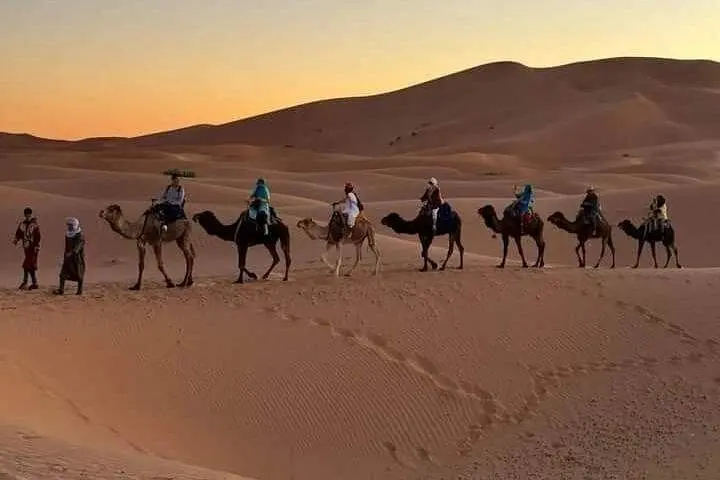
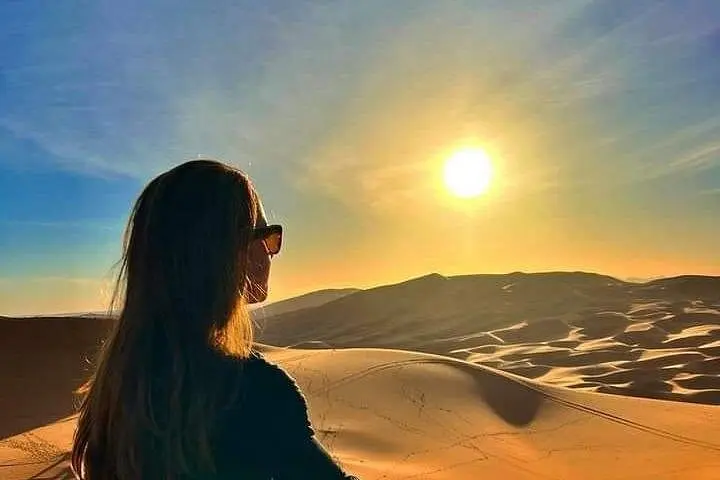
Early light on the tarmac road out of Marrakech dissolves the city’s bustle; the atlas peaks push across the horizon and the coach hums through the Tizi n’Tichka pass. By late afternoon the road gives way to wind-shaped ridges and then to the orange waves of Erg Chebbi—dunes that move like a slow, deliberate tide, daring you to climb.
Verified experiences and guided adventures in the surrounding area.
Operated by Akdid tours · Merzouga, Drâa-Tafilalet
Early light on the tarmac road out of Marrakech dissolves the city’s bustle; the atlas peaks push across the horizon and the coach hums through the Tizi n’Tichka pass. By late afternoon the road gives way to wind-shaped ridges and then to the orange waves of Erg Chebbi—dunes that move like a slow, deliberate tide, daring you to climb.
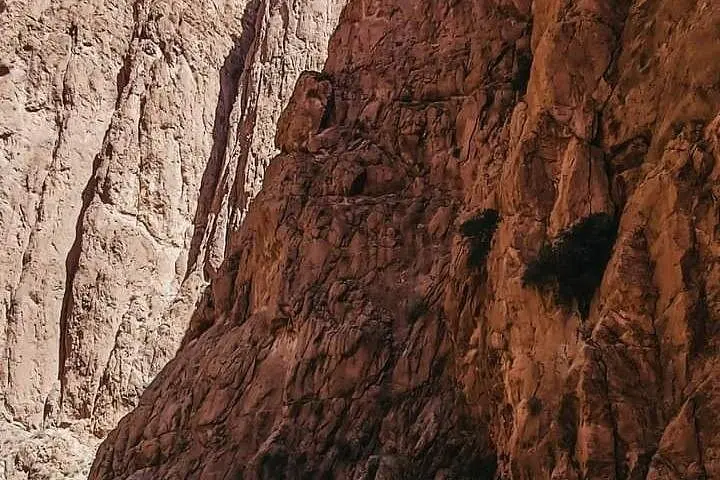
This three-day circuit threads history and geology: a morning at Ait Ben Haddou, the mud-brick kasbah that marked caravan routes and film sets alike; the cut of Todra Gorge, where river-forged limestone walls split the High Atlas; and the palm-lined oases of Tafilalet, a living remnant of trans-Saharan trade. Berber culture remains visible in village life, language, and the campfire songs that follow a camel ride at dusk.
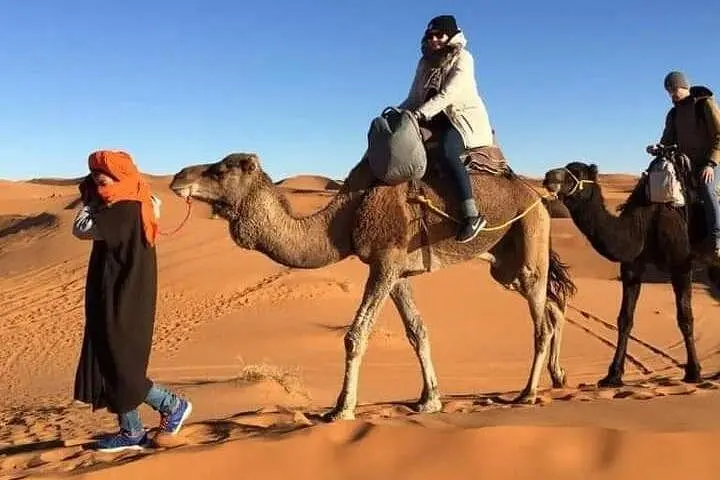
Practically, expect long drives broken by photo stops, a late-afternoon camel trek to reach a desert camp, and a sunrise wake-up to catch light sweeping across the dunes. Temperatures swing—hot by day, cold at night—so layer. Sandboarding and short dune scrambles add easy adrenaline; the camel trek is steady but can be jostling. Hydration, sun protection, and sturdy footwear matter more than fitness: the tour is suitable for most travelers but not recommended for those with serious back or heart conditions.
Plan pockets of downtime in Tinghir or Merzouga, keep electronics charged via hotel stops, and bring small bills for local purchases. The Sahara rewards patience: a night under the stars, wind murmuring over sand, is a clear, physical reminder of scale and quiet.
The camel ride is low-impact but involves mounting and sitting on a moving animal; it’s appropriate for most travelers though those with severe back problems should avoid it.
Yes—accommodation in a desert camp and a hotel in Tinghir plus meals listed (breakfasts and dinners) are included in the tour price.
Pickup from Marrakech is typically early morning (around 7:00 AM); the return to Marrakech is the late afternoon/evening on day three—confirm exact times with the operator.
The itinerary is family-friendly but not recommended for infants who must sit on laps; older travelers with serious cardiovascular or spinal issues should consult a physician first.
Akdid tours operates guided outdoor trips and adventures with an emphasis on safety, stewardship, and memorable experiences.
Early light on the tarmac road out of Marrakech dissolves the city’s bustle; the atlas peaks push across the horizon and the coach hums through the Tizi n’Tichka pass. By late afternoon the road gives way to wind-shaped ridges and then to the orange waves of Erg Chebbi—dunes that move like a slow, deliberate tide, daring you to climb.
Early light on the tarmac road out of Marrakech dissolves the city’s bustle; the atlas peaks push across the horizon and the coach hums through the Tizi n’Tichka pass. By late afternoon the road gives way to wind-shaped ridges and then to the orange waves of Erg Chebbi—dunes that move like a slow, deliberate tide, daring you to climb.
This three-day circuit threads history and geology: a morning at Ait Ben Haddou, the mud-brick kasbah that marked caravan routes and film sets alike; the cut of Todra Gorge, where river-forged limestone walls split the High Atlas; and the palm-lined oases of Tafilalet, a living remnant of trans-Saharan trade. Berber culture remains visible in village life, language, and the campfire songs that follow a camel ride at dusk.
Practically, expect long drives broken by photo stops, a late-afternoon camel trek to reach a desert camp, and a sunrise wake-up to catch light sweeping across the dunes. Temperatures swing—hot by day, cold at night—so layer. Sandboarding and short dune scrambles add easy adrenaline; the camel trek is steady but can be jostling. Hydration, sun protection, and sturdy footwear matter more than fitness: the tour is suitable for most travelers but not recommended for those with serious back or heart conditions.
Plan pockets of downtime in Tinghir or Merzouga, keep electronics charged via hotel stops, and bring small bills for local purchases. The Sahara rewards patience: a night under the stars, wind murmuring over sand, is a clear, physical reminder of scale and quiet.